




Sea: the future
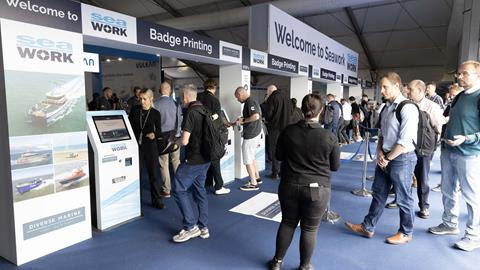
Seawork, held each year in the Port of Southampton, is Europe’s largest commercial marine and workboat exhibition and conference.


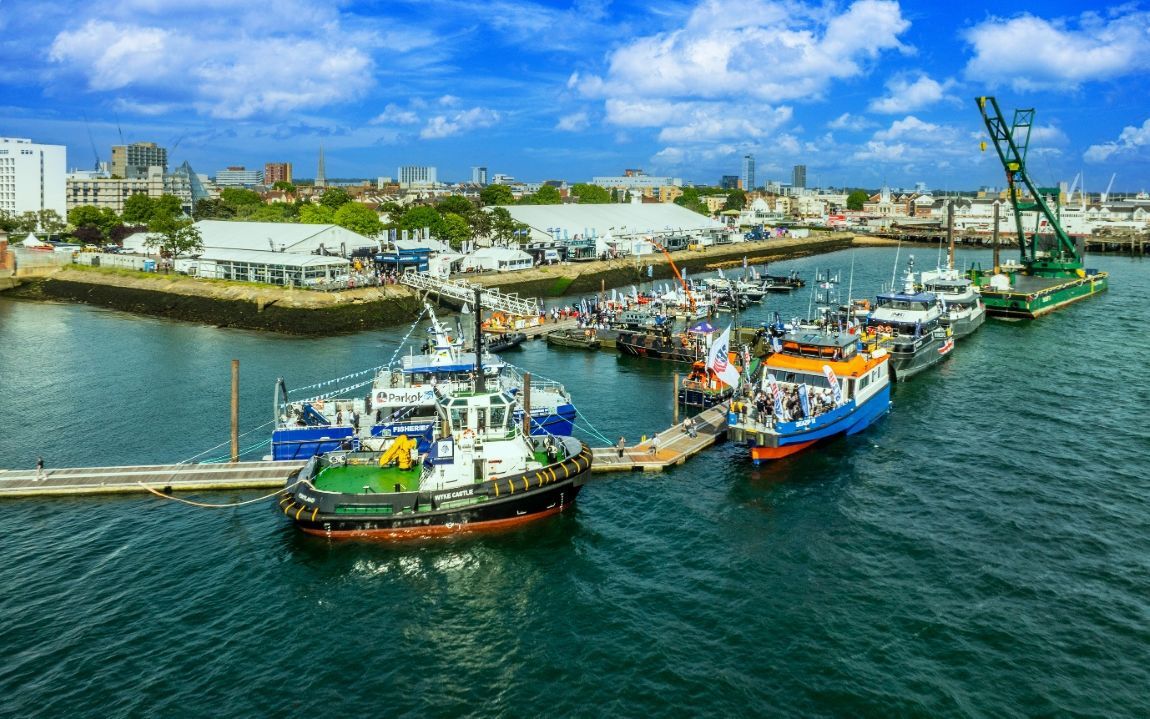
The event brings together hundreds of exhibitors, on‑water vessel displays, a conference programme, the Seawork Awards, an Innovations Showcase, sector events, and a careers and training day.
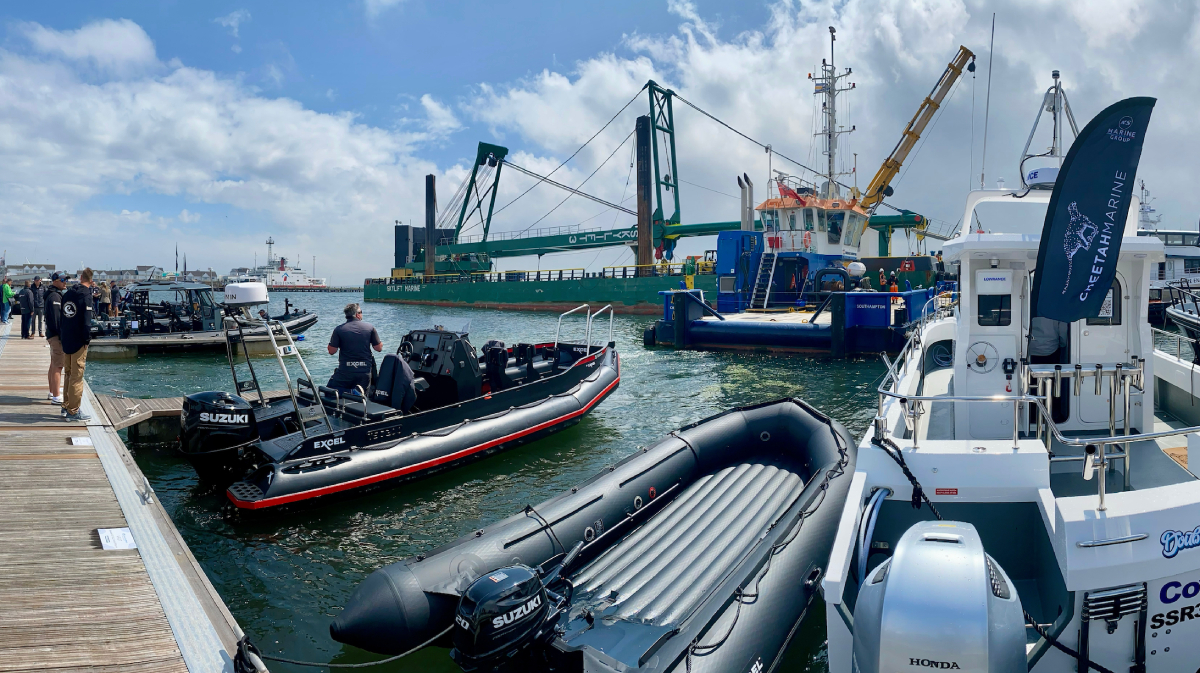
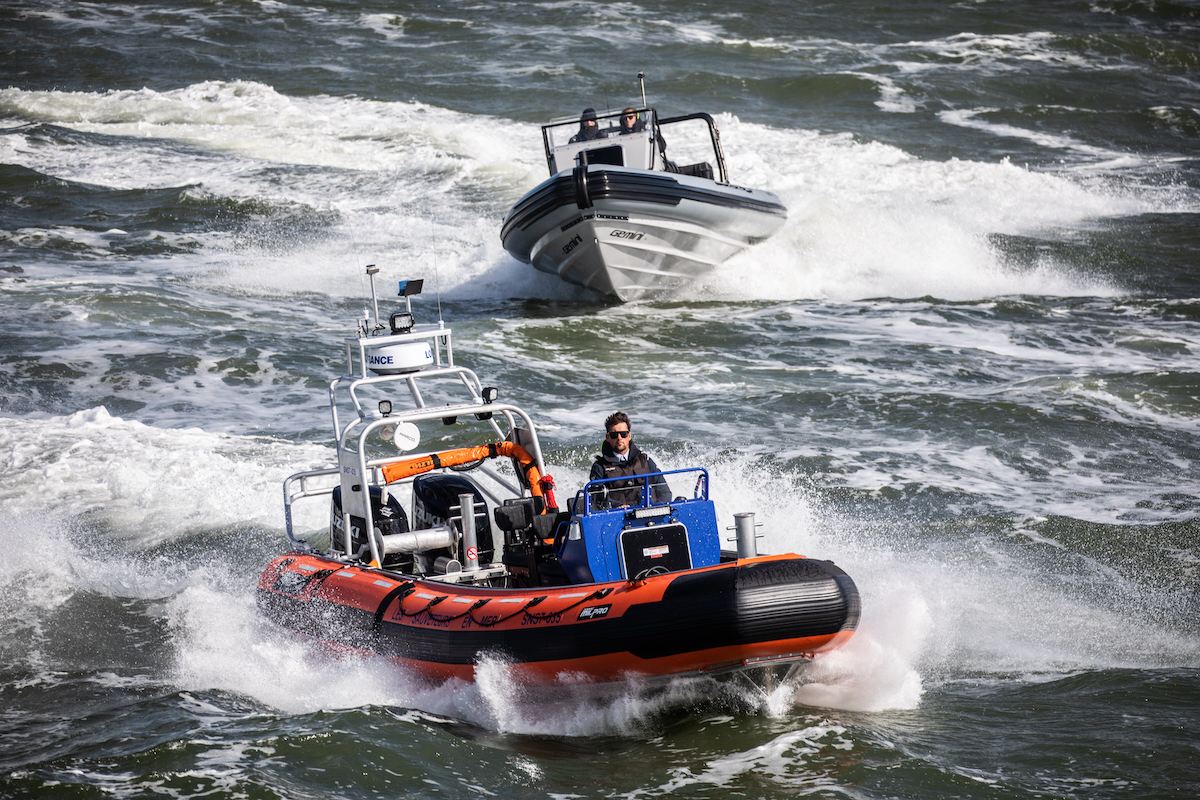
Taking place on 8 June ahead of the main show and conference, Speed@Seawork is the UK’s leading event for high-performance vessels operating in security, defence, intervention, and search and rescue. Bringing together military, security and commercial marine sectors, it showcases cutting-edge advances in vessel design, propulsion, navigation, communications and crew safety.
Delivered in partnership with the Society of Marine Industries (SMI), this one-day event connects operators, designers, buyers and specifiers with the people and technologies shaping the future of fast craft.
Expect live sea trials, expert presentations and the latest updates on the UK MOD Boat Programme. Network face-to-face with military and security specialists from over 22 countries and explore real procurement and project opportunities.
The main trade show opens the following day, 9 June, with exhibitors from across the whole of the maritime sector, from shipbuilders to protective clothing suppliers. As well as the exhibition halls in Mayflower Park, there is an adjacent marina where vessels can be viewed where they belong – on the water.
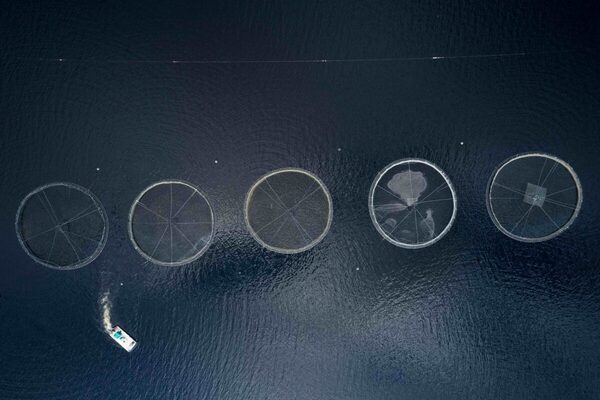
This year the show includes something new, in the form of the Aquaculture Trail. As the sector evolves, demand is growing for more innovative vessels, floating plant and propulsion solutions.
The trail showcases the latest sustainable aquaculture technologies, focused on improving efficiency while reducing environmental impact. Offering a clear view of future industry direction, the Aquaculture Trail is a must-see feature at Seawork.
From net zero to AI at sea
Alongside the trade show, there is a packed schedule of conference sessions at Seawork.
These include topics such as sustainability and the drive to net zero, with sessions on lifecycle emissions and carbon capture technologies, and £271m for green maritime.
On Thursday, another session will cover how onshore power supply (OPS) solutions for workboats and leisure vessels, ranging from megawatt charging systems (MCS) and batteries to CCS, can accelerate maritime decarbonisation. Drawing on market and technology insights, it will examine practical pathways for electrifying vessels such as tugs, workboats and small ferries, using a mix of emerging and proven solutions.
The conference will also explore what new technology can bring to the marine world, including sessions on autonomous vessels and the future of artificial intelligence at sea.
Also at Seawork, the University of Southampton will be launching its new Centre for Green Maritime Innovation, an industry-led initiative convened by the university, providing facilities and expertise to test and de-risk new zero-carbon and energy efficiency technologies.
On Wednesday, the Royal Institute of Navigation will present its latest research findings on the growing impact of GNSS (Global Navigation Satellite System) interference on maritime operations and safety. As reliance on satellite-based positioning, navigation and timing continues to increase across the sector, the session will examine how signal disruption – whether intentional or unintentional – can affect vessel safety, operational integrity and situational awareness at sea.
Seawork will also be hosting an exclusive preview of the UK Maritime Research and Technology Roadmap and the Shipbuilding Action Plan, ahead of their official launch later in June. The Roadmap is intended to connect stakeholders, enable financing opportunities and position the UK maritime sector for the future.
Co-hosted by NSO (the National Shipbuilding Office) and MarRI-UK, a collaborative research organisation linking the public and private sectors, this session will spotlight innovation and autonomy as key drivers shaping the future maritime landscape. Industry leaders, researchers and policymakers will be talking about emerging autonomous systems, smart technologies and strategic priorities.
On Thursday, the last day of the conference, SMI (the Society of Maritime Industries) and the Workboat Association Technical Workgroup are jointly hosting a conference and workshop session to put the buyers in front of the supply chain. It will feature real-world case studies of workboat operators on their technical investment and company expansion plans.
Thursday also sees the careers and training day, where opportunities to work within the maritime sector are showcased.
Awards – and cardboard boats
The Seawork Awards Ceremony, sponsored by Nova Shipyard, takes place on Tuesday 9 June at the Waterfront Restaurant. The awards are:
Maritime Sustainability Award, sponsored by Suzuki, Clean Ocean Project. Presented to an organisation or individual who has demonstrated a commitment to the environment or sustainability.
Marine Civils Best Project Award. Presented to a business for a project that demonstrates overcoming challenges in marine civils or vessel operations.
Young Person’s Development Award. Open to young people from 16-25 years of age who are currently studying for, or beginning, a career in the maritime industry. The winner will receive a bursary to help further their career.
Maritime Professional of the Year Award. Presented to an individual who has made a significant contribution to their organisation or the industry as a whole. The winner is decided by the industry via social media.
Outstanding Contribution Award. Presented to an individual who has demonstrated outstanding commitment and made a meaningful contribution to their organisation or the wider industry
The winner is recognised for their positive impact and dedication.
Lifetime Achievement Award, sponsored by Mercator & Maritime Journal. This honours an individual whose long-standing commitment, leadership and achievements have shaped the industry and left a lasting legacy.
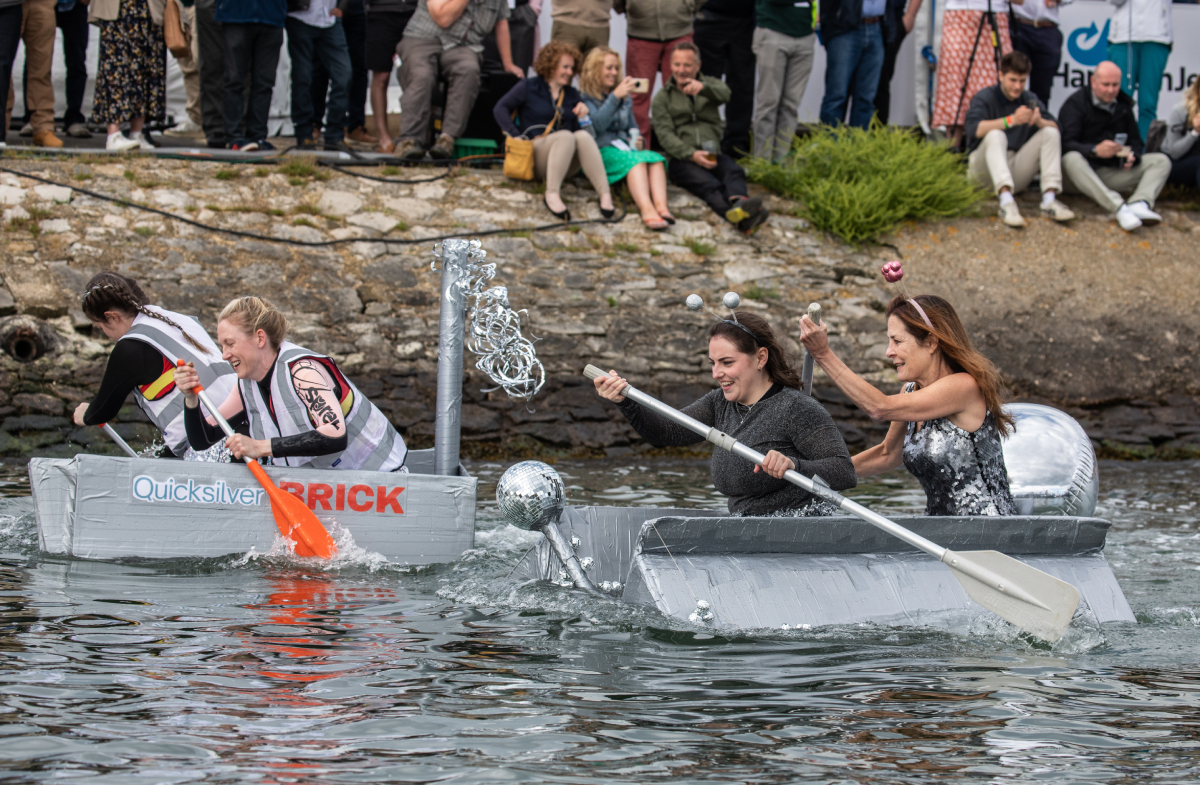
The quirkiest event – and one of the best attended – at Seawork has to be the Cardboard Boat Regatta. Participants are invited to build a boat using simply cardboard, tape and determination, powered only by muscle and the will to win.
This year the theme is “The World Cup – Racing for global glory” so expect to see national pride reflected in the boats vying for the prize.
A boost for the city
As we reported in the last issue, with 500 exhibitors and around 7,000 professional visitors, Seawork week is set to be the largest and most economically significant edition yet. Seawork week is expected to fill virtually every hotel room south of the M27.
The organisers, Mercator, estimate that this year’s event is expected to inject between £10 million and £13 million into the economies of Southampton, wider Hampshire and the Isle of Wight.
With the increased exhibitor base for 2026, visiting exhibitors, buyers and delegates are now projected to generate around £2.3 million in accommodation spend alone across Southampton, Eastleigh, the New Forest and parts of the Isle of Wight. On top of this, dining out, drinks and local transport is projected to contribute a further £3 million to local businesses, reflecting the anticipated uplift in exhibitor staff and international delegations on site.
The impact is most visible in and around the exhibition’s waterfront venue in Southampton, where restaurants and bars close to Seawork and in Oxford Street are typically fully booked on show evenings, and in Cowes where Speed@Seawork brings 200 high-value delegates and 20 advanced vessels to the town.
Local car parks, taxi firms, public transport providers and port services are all in high demand as thousands of industry professionals move between hotels, the show site and evening networking events.
In addition to visitor and delegate spending, Seawork and Speed@Seawork represent a significant source of income for Hampshire’s supply chain, with organisers and exhibitors together now expected to invest over £2 million in local goods and services. This includes venue hire, quayside infrastructure, marquees, pontoons, AV, marine services, security, cleaning, traffic management, print, marketing and hospitality.
When these direct expenditures are combined with the re‑spending of wages and supplier income in the region, the total economic impact of Seawork week is estimated to sit in the £10 million to £13 million range – broadly consistent with independent assessments that previous editions have generated between £9 million and £11 million for Southampton over three days alone.
Councillor Alex Winning, Leader of Southampton City Council, said: “Seawork is a significant event for Southampton and reflects the city’s long-standing role at the centre of the UK’s maritime economy. It brings international visitors to the city, supports our hotels, restaurants and transport providers, and helps sustain local jobs. It also brings industry together, supports new business connections and reinforces the city’s position as a global maritime hub, with benefits that continue well beyond the event itself.”
Why not try these links to see what our Fish Farmer AI can tell you.
(Please note this is an experimental service)
You May Also Like






© 2026 Fish Farmer.