
ao link

Single cell proteins set to play a big part in aquafeed, report says
Global production of aquafeed using microbes to replace fishmeal is set to rise tenfold or more over the next five years, according to a new report on the sector.

Linked InXFacebook
bookmark_borderSave to Library
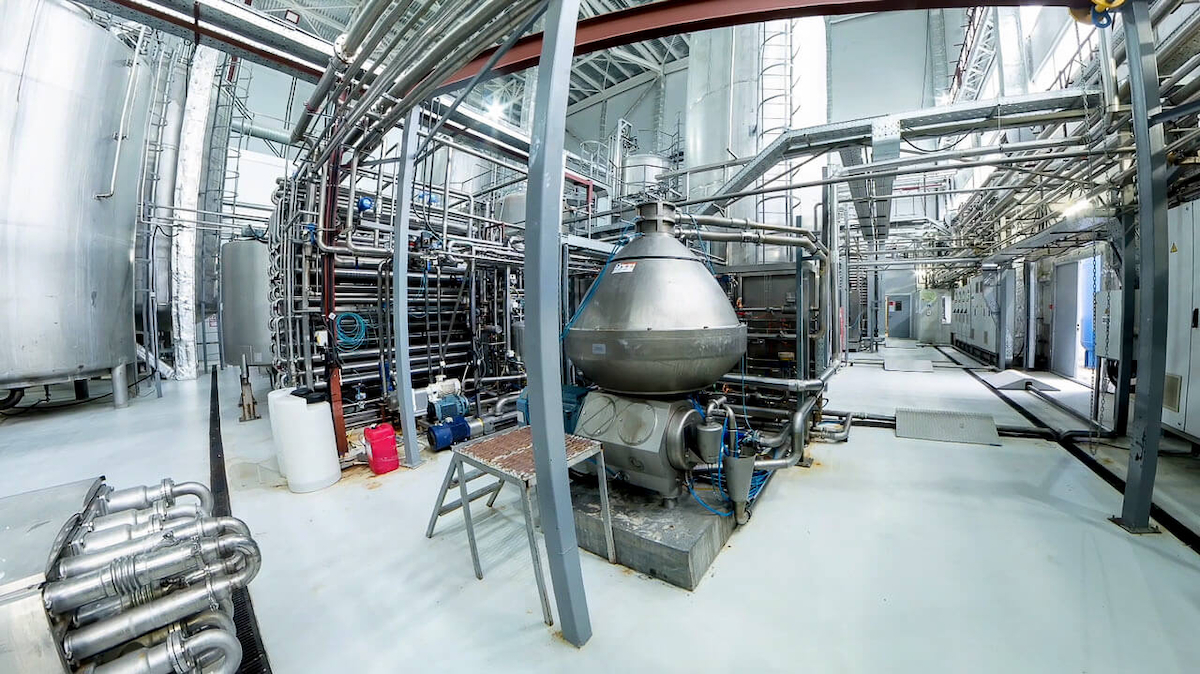
Unibio fermentation plant 20260316
Unibio fermentation plant: this is just one of the companies developing feed based on single-cell proteins

The 2026 State of the Industry Report on Single-Cell Proteins, published by the Centre for Feed Innovation (CFI), concludes that single-cell proteins (SCPs) can replace up to 100% of fishmeal in shrimp feeds, and up to 50% for certain fish species, while maintaining or improving growth, health, and feed efficiency.


The CFI estimates that global SCP production for aquafeed stood at 30,000–40,000 metric tonnes in 2025. Based on announced investments and industry forecasts, it says, output could reach between 150,000 and 500,000 tonnes by 2030.


CFI’s new report assesses how SCPs can serve as a nutritionally strong, sustainable, and safe alternative to fishmeal. It finds that SCPs offer clear environmental and biodiversity advantages over fishmeal. By decoupling protein production from wild fisheries, the report says, SCPs reduce pressure on marine ecosystems. When renewable energy and circular feedstocks, such as biogas, are used, greenhouse gas emissions from SCP production can be comparable to or lower than those of fishmeal.


In the near term, SCPs are expected to complement rather than fully replace fishmeal, as feed strategies rely on a mix of ingredients to optimise cost, nutrition, and performance. The report concludes that the future growth of the aquaculture industry will depend, in part, on its ability to scale and source SCPs effectively.


Fishmeal shortages are projected to emerge as early as 2028, with demand forecast to exceed supply by up to 25% of total production by 2030. The major barriers to scaling SCP supply today are high capital intensity and operating costs, followed by regulatory gaps and uneven feedstock availability. Over the longer term, greater investment in larger-scale facilities, improved strain efficiencies, and access to low-cost feedstocks could establish SCPs as a strong and preferred replacement for fishmeal.

AdobeStock_527397902-fish_feed-20250113.jpg
Aquafeed: demand is rising, so new sources of supply will be needed

Aashish Khimasia, Director of Research with the CFI, said: “Fishmeal shortages are projected to emerge as early as 2028, creating pressure for the aquaculture industry to source alternatives at scale. Our report finds that single-cell proteins are a technically validated option. SCPs can fully replace fishmeal in shrimp feeds, and replace half of it in certain fish species, while matching or improving animal performance.


“Furthermore, SCPs provide a clear ecological and environmental advantage, with one tonne of SCPs estimated to replace up to six tonnes of wild-caught fish. The technical case is established, and early commercial integration is underway; wider adoption now hinges on realising projected capacity and sustained investment to support production at scale.”


To sustainably scale SCPs, the report recommends:


1.             SCP producers should improve strain efficiencies, use renewable energy, and co-locate production near low-cost, circular feedstocks to improve unit economics and sustainability.

2.             Aquafeed producers should deepen partnerships with SCP suppliers, validate performance, and support broader adoption through offtake agreements.

3.             Investors can support large-scale production facilities to help suppliers achieve economies of scale and accelerate commercial deployment.

4.             Policymakers should expand regulatory support in key markets and put in place financing mechanisms for novel feed ingredients.

5.             Civil Society Organisations & Certifiers are encouraged to raise public awareness of the benefits of SCPs for food security, climate, safety, and biodiversity to build informed consumer demand.


The 2026 State of the Industry Report on Single-Cell Proteins is the second in CFI’s ongoing series evaluating novel ingredients for aquaculture.

Linked InXFacebook
bookmark_borderSave to Library
Add New Comment
You must be logged in to comment.
Trainee Health & Safety Advisor - Mowi Scotland
Western IslesWestern Isles£28,000 to £30,000 per annum£28,000 to £30,000 per annum

Farm Technician (Laga Bay) - Mowi Scotland
Acharacle, LochaberAcharacle, Lochaber£28,258 to £31,648 per annum£28,258 to £31,648 per annum

Environmental Field Scientist (Fort William) - Mowi Scotland
Fort William, LochaberFort William, LochaberSalary On ApplicationSalary On Application

Feed Operations Technician (ROC - Fort William) - Mowi Scotland
Fort William, LochaberFort William, Lochaber£30,387 to £34,032 per annum£30,387 to £34,032 per annum

Farm Technician (Kingairloch) - Mowi Scotland
Camasnacroise, LochaberCamasnacroise, Lochaber£28,258 to £31,648 per annum£28,258 to £31,648 per annum
Fish Farmer Magazine
IPSO
Facebook
X
Linked In

© 2026 Fish Farmer.