





Seaweed bathing: a soak on the wild side
You have, no doubt, heard about all the current and potential benefits of seaweed. And if you ever dip your toe into social media, you may also be aware of the constant surge of new health and wellness trends.
Now, those two worlds are coming together, as seaweed bathing rises from obscurity to popularity. But what is it all about?


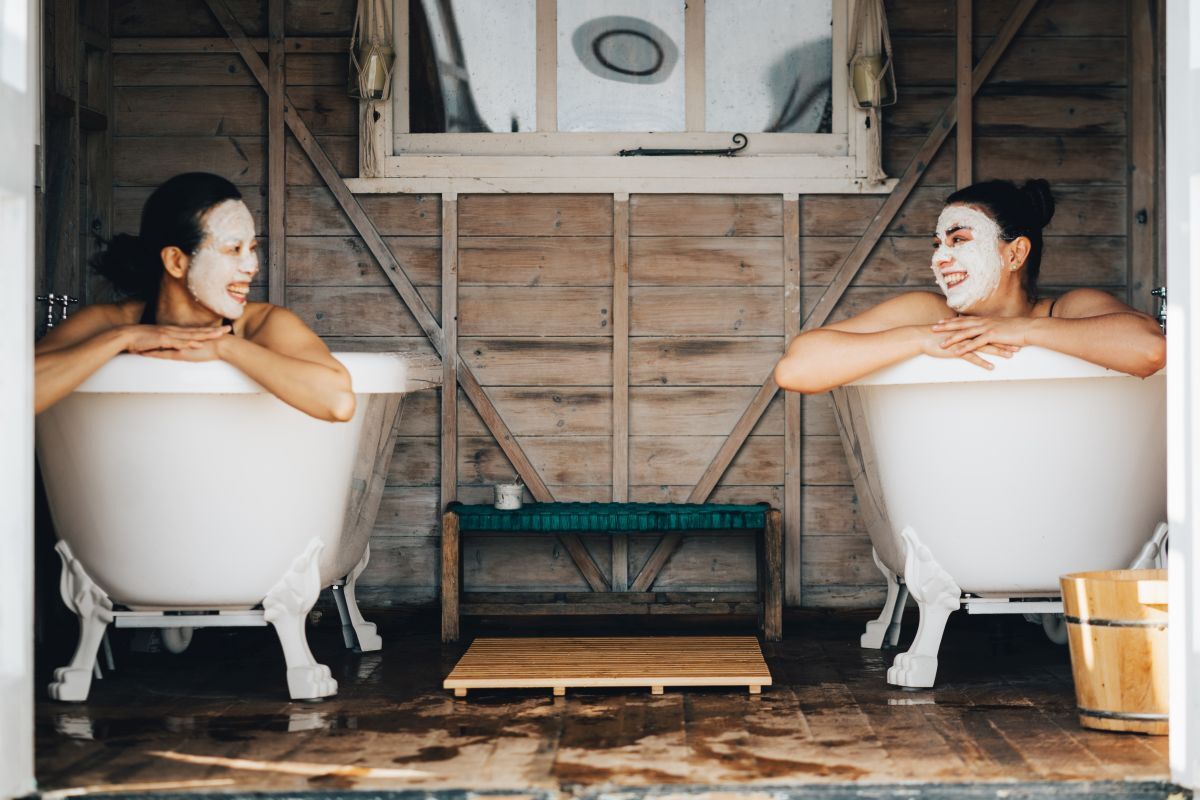
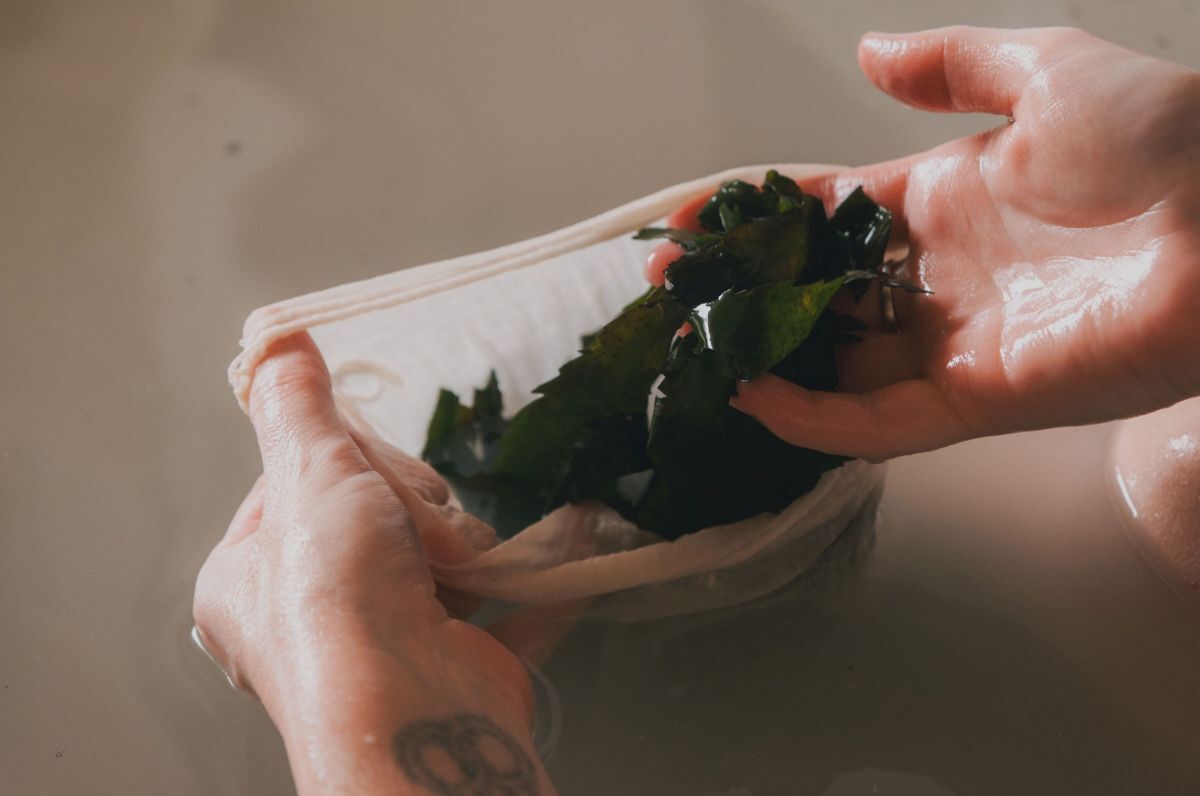
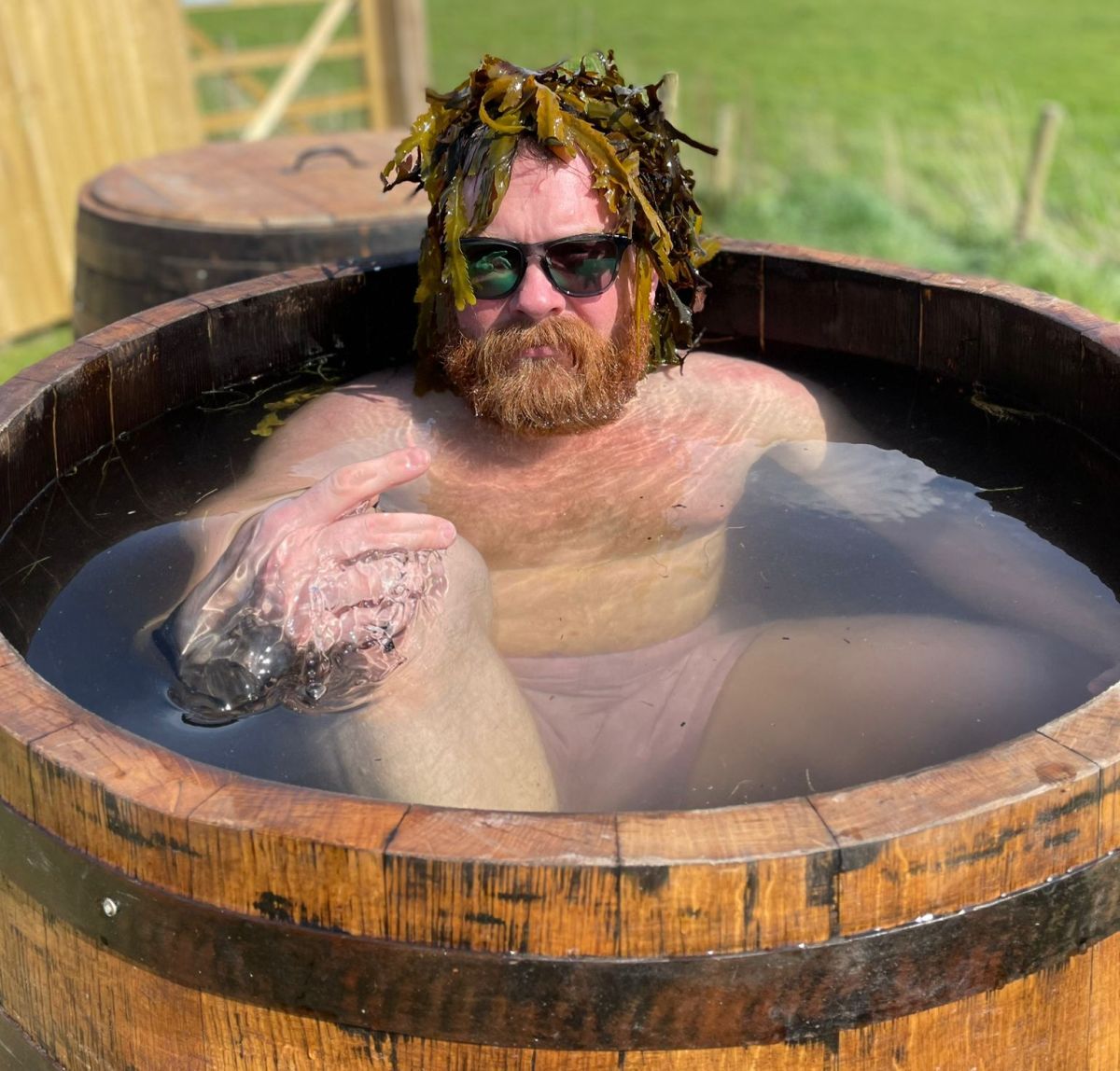
Seaweed bathing is pretty much exactly what it sounds like: immersing yourself in a tub or barrel filled with warm seawater and macroalgae. The sessions typically last for 45-50 minutes, and as you steep in the bath, the seaweed releases natural oils and minerals.
Bathers enthusiastically refer to the resulting bath water as a silky, gelatinous gloop – while scientists might prefer to say that it has a mucilaginous texture that comes from a combination of compounds including alginates, laminarin, and natural lipids.
Seaweed is rich in important minerals such as iodine, calcium, and magnesium, and while they can’t be absorbed through the skin in any meaningful quantities, seaweed bathing is said to bring a whole host of health benefits. Fans of the practice claim that these include increased circulation, reduced inflammation, moisturised skin, relaxation, detoxification, relief from the pain of rheumatism and arthritis, and even that holy grail of the beauty industry: combating the signs of ageing.
Let’s be honest, though: don’t you hate it when you’re swimming in the sea and you get tangled up in an unexpected outcrop of seaweed? Yes, me too. But if the thought of clammy fronds swishing to and fro against your limbs doesn’t exactly fill you with joy, don’t worry, there is an alternative: at some bathing facilities, the seaweed is safely contained in muslin bags, through which the health-bringing unguent can still seep.
Now, if you think this sounds like yet another of those increasingly outlandish new things we are supposed to cram into our wellness regimes, think again. Apparently, modern seaweed bathing is the revival of an ancient tradition: the practice is said to date back as far as the Stone Age.
The ancient Greeks and Romans were keen on immersing themselves in the stuff, and seaweed bathing also has a long tradition in the coastal regions of Japan, Scotland, and Ireland. In fact, in the late 1800s, there were still around 300 seaweed bathhouses in Ireland. After a long decline in popularity, the pastime has now been picked up again, and seaweed bathing is currently being offered by several hotels and leisure facilities around the British Isles.
I decided to check in with one of the foremost voices in the Scottish seaweed sector – Rhianna Rees, CEO of Seaweed Scotland – to see what she thinks about the phenomenon.
Rhianna said: “I haven’t had a seaweed bath, but I have had a seaweed wrap before. I envisaged it as being wrapped fully in fronds of seaweed, but, of course, that’s not how it works! Instead of using the full organism, they take a stabilised seaweed extract, apply a salt scrub, and almost wrap you up in cling film with the seaweed gel for a while. My skin felt amazing afterwards, but I do wonder how it would compare with actually being wrapped in seaweed.
“Seaweed bathing isn’t available around where I live, so I haven’t had the opportunity to try it yet. But I have spent time washing samples of seaweed, and as the mannitols, alginates, and other compounds leach out into the water, what’s left behind is a lovely gloopy mixture that feels great on my skin. I can completely understand where this interest comes from.
“I came across stories about rock pools in ancient Greece and Rome whilst researching the history of seaweed, and found that people with skin conditions were told to bathe in rock pools to fix their skin ailments. It was called ‘thalassotherapy’ – the use of seawater, often in combination with seaweed, for preventive and remedial health treatments. This has been documented as early as 60 BCE. In fact, it was Plato who said, ‘The sea cures all ailments of man.’ Euripides also said, ‘The sea washes away all men’s illnesses’, and Plato, Hippocrates and Aristotle all recommended hot seawater baths.”
I was also interested to hear what use or application (aside from actually bathing in it) Rhianna thinks is the most promising for Scottish seaweed going forward.
She replied: “I think interest in seaweed for many applications, much like the tide, grows and wanes. Obviously, seaweed baths have been around for millennia, but they appear as a fairly new-fangled thing in the modern age. For a while, using seaweed for food was also of great interest, but now I see this is struggling in the current climate.
"Non-synthetic fertilisers (or rather biostimulants), alternatives to petroleum (such as plastic), and high-value extracts seem to be on the rise within the sector. I think the more interest there is in seaweed as a low-carbon, sustainable alternative, the more research and development we’ll see, and the more applications we’ll start to unearth.”
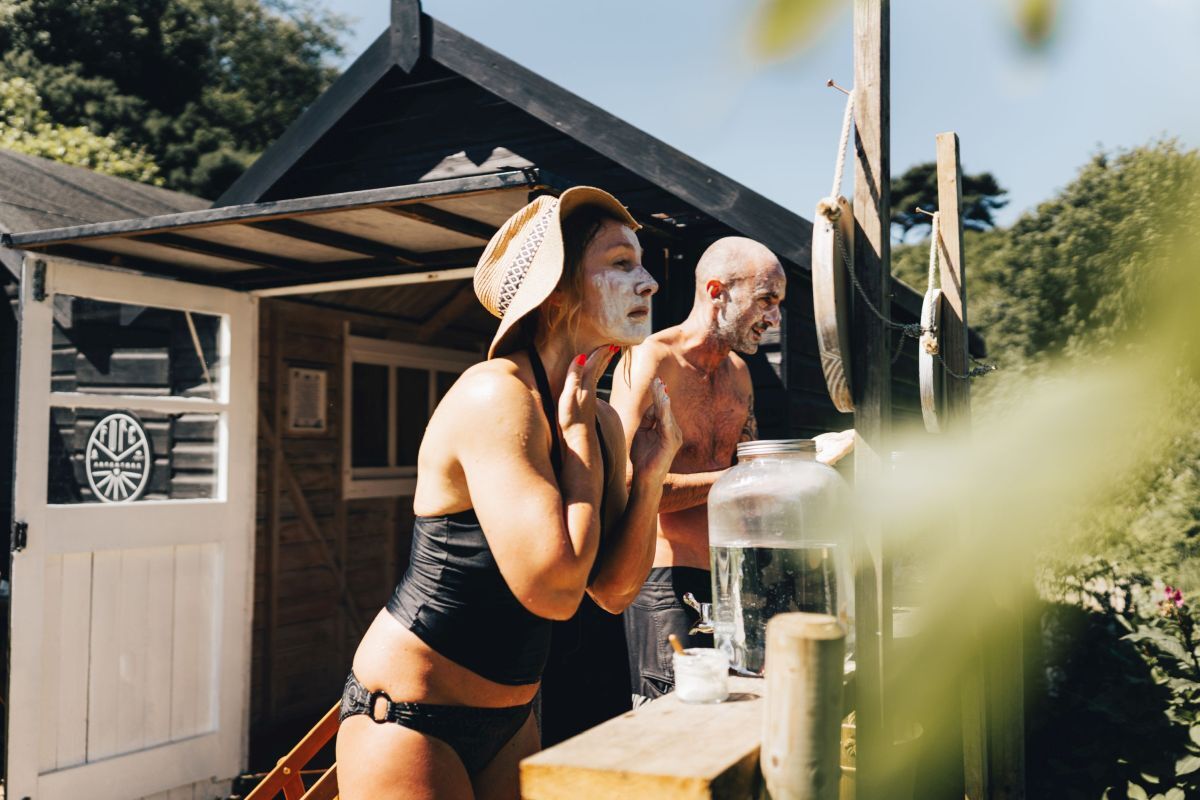
If you do decide to give seaweed bathing a try, you may find the activity on offer in places that also encourage wild swimming, off-grid camping, wood-fired saunas, and icy loch plunges. Alternatively, if you are of a slightly less gung-ho sort, a plush and comfortable hotel spa may create a more tempting environment for your first seaweed bath.
Naturally, it’s your choice how you spend your time in the tub, be it mindful (perhaps taking the opportunity for some quiet meditation) or playful (such as splashing around pretending to be an otter). Come to think of it, the latter sounds quite appealing...
Why not try these links to see what our Fish Farmer AI can tell you.
(Please note this is an experimental service)
You May Also Like







© 2026 Fish Farmer.