





Marketing shellfish: Under the influence
There’s no doubt that social media plays an increasingly important part in the way that seafood is promoted today, and has become an important tool in helping businesses to reach a wide audience quickly and cost-effectively.


Rather than a high priced advertisement in a magazine, newspaper or on TV, social media allows seafood enterprises to showcase the freshness, sustainability, health benefits and appeal of their products through engaging visuals, recipes and storytelling.
Platforms like Instagram, TikTok and Facebook enable direct interaction with consumers, and help to build trust and loyalty, while LinkedIn has become a trusted B2B tool, enabling companies to build up and engage with a wide database of contacts.
Social media has also spawned a generation of influencers who create content for their followers. Some, such as Georgiana Davies and James Sibley, have specialised in the seafood industry.
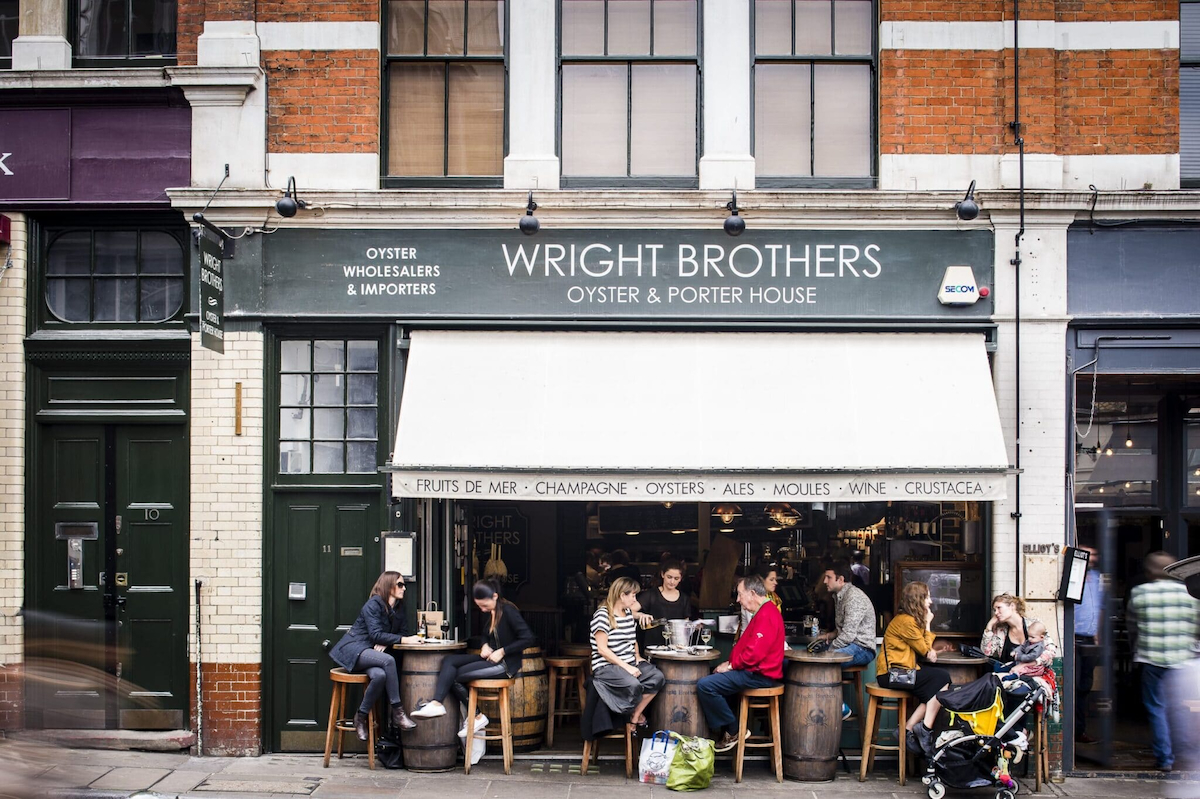
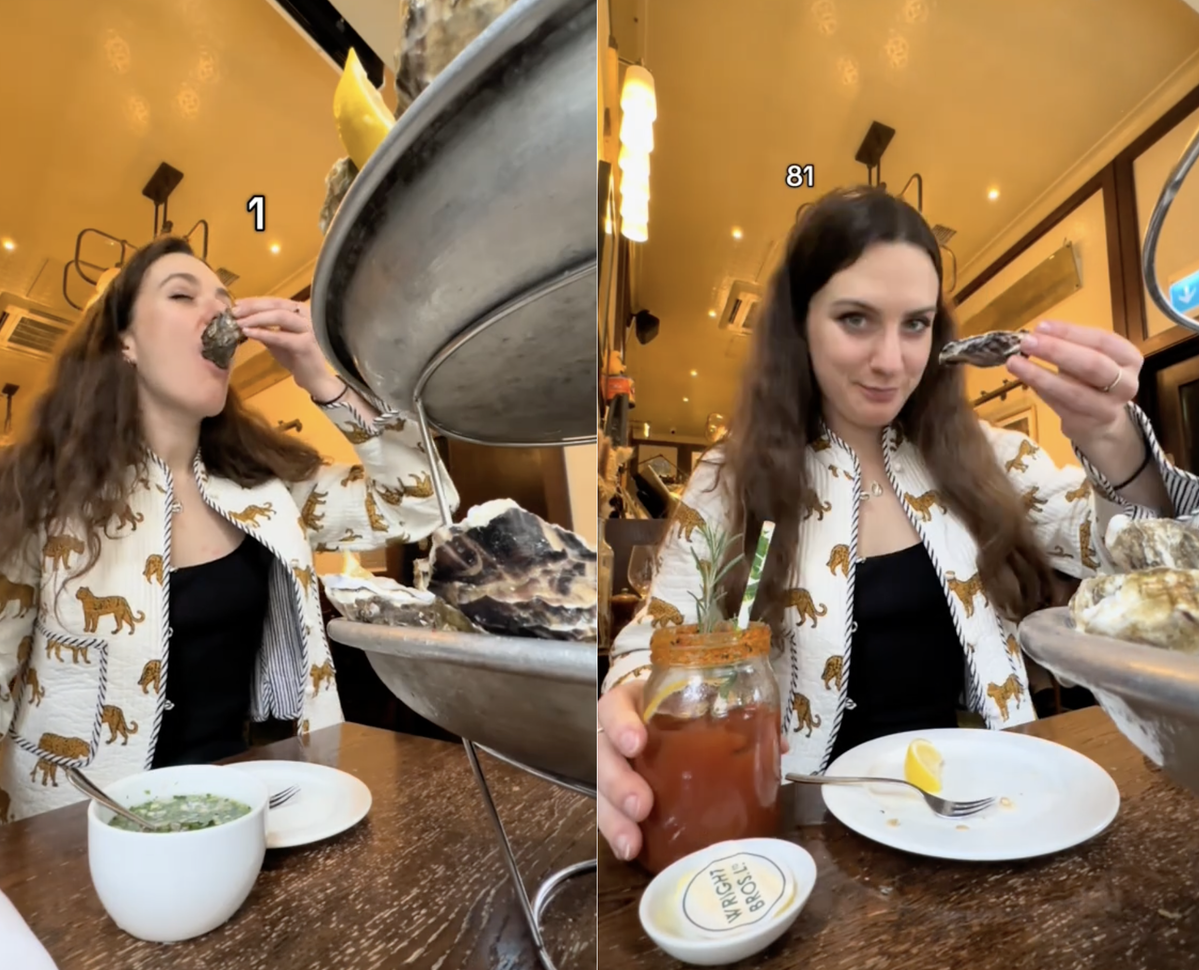
Davies, known as HRH Georgiana to her followers on TikTok and Instagram, is a 30-year-old London-based content creator who posts about food, travel and culture. She has made a name for herself with her “solo date” videos, and went viral after posting about her experience of eating 50 “£1 a pop” oysters for brunch at Wright Bros restaurant in Borough Market, London. She went on to challenge her own record and is currently on 80 oysters at a sitting. Her videos, which can have millions of views, have also gained some excellent publicity for the restaurant! After Georgiana’s first posts, Wright Bros went from selling around 400 oysters per week to over 2,500.
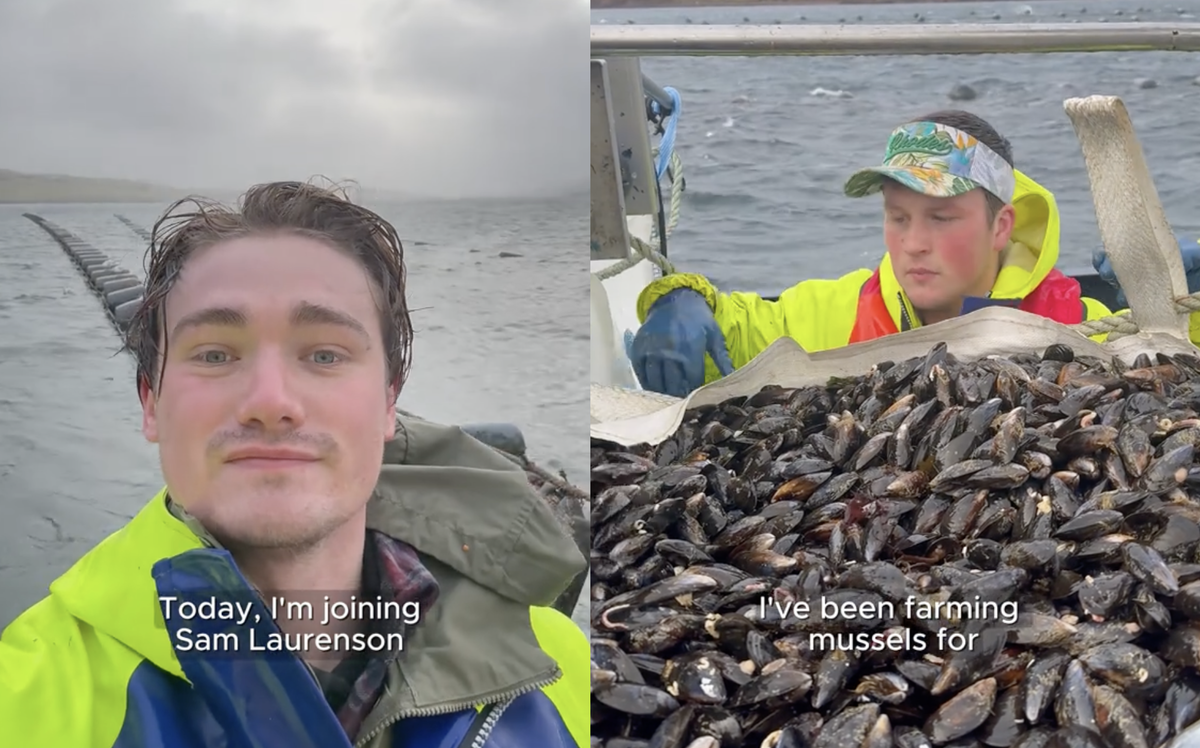
Sibley, who describes himself as “aquaculture’s leading digital media personality - at the forefront of how the world now sees and understands farmed seafood,” prides himself on blending science communication, aquatech and digital media strategy to highlight the innovations shaping the future of sustainable seafood. He has more than 500,000 followers and reaches millions of people each month with his public-facing and B2B content.
Influencers have been used to good effect by companies such as Patagonia Provisions, who used chef Ali Hooke of “Tinned Fish Date Night” fame, to create a branded guide, while Canadian brand Scout used this trend to help reposition mussels into a top seller from an underperforming item.
Adventurous #oysters, accessible #mussels
Social media featured at the ASSG conference in Oban recently, where dinosaurs such as myself were interested to listen to a presentation by Cathrine Baungaard, from the University of Aberdeen, about recent research into how shellfish is portrayed.
Together with fellow researchers Emer McCoy, Rhoanna Perry and Dulani Nadeesha Widkramayaka, Baungaard undertook an analysis of shellfish and tinned fish videos on TikTok, in a piece of work inspired by an ASSG Early Career Researcher Workshop. They realised that while the opinion-influencing results of social media on topics such as climate change and food in general have been well researched, little was known about the results for seafood.
Baungaard explained that recent research by Seafish highlighted that younger Millennials in the UK are open to eating more seafood. This generation is very familiar with using TikTok to create, share and view short videos, and as this platform has more than one billion users each month, it is easy to see how a new trend for trying a new seafood experience can quickly take off.
The researchers analysed 100 TikTok videos with the hashtags #shellfish, #tinnedfish, #mussels and #oysters, and found themes that revolved around “eat with me” or “first try” moments, which invited audiences to share in authentic, social moments; trust building through relatability to the content creator’s experience; the visual and sensory appeal of eating and cooking mussels and oysters; connections to local identity, sustainability and authenticity; and food pairing and practical preparation, which reinforced simplicity, affordability and convenience.
They found that humour was commonly used to make shellfish seem approachable, disarming stereotypes, and injecting fun into food culture. This style also played to Gen Z and Millennials’ preference for authenticity and relatability over polished advertising. According to Statista 2025, Millennials and Gen Z now represent 27 million people in the UK, which is a large audience.
Oysters were found to be portrayed as adventurous and luxurious, mussels as communal and accessible, and tinned fish as trendy and packaging driven. Both Rockfish and Sea Sisters in the UK have developed their own novel ranges of tinned seafood – including mussels - with bold flavours and creative packaging, and these are proving to be very popular, despite their high price.
Recommendations from the research focused on suggestions to help Scottish shellfish growers, but they are universally applicable.
“Mussels are well placed to align with communal, affordable, and versatile narratives, while oysters could benefit from greater visibility in provenance-led storytelling and ‘first try’ experience. Both products can leverage humour, sensory storytelling, selling of provenance (eg, supermarkets, fish mongers) and global cuisine trends to increase cultural relevance,” the researchers said.
It was suggested that working with mid-sized and micro-influencers who have loyal, highly engaged audiences, could offer strong value compared to larger influencers. In particular, it is important to engage younger people to advise on the relevance and appeal of campaigns.
The researchers believe that there is no need to reinvent the wheel and that shellfish can borrow ideas from the way in which other products are promoted, particularly in relation to their versatility and convenience. The importance of cultural storytelling in particular was highlighted.
Creating light-hearted challenges around shellfish eating could also be a winner and help to normalise consumption. Viral humour and memes are an important part of TikTok culture and as both major and micro-trends evolve quickly on this platform, it is important to keep up with new trends in order to maximise visibility. If social media can get ice bucket and dance challenges to become viral, it surely can’t be that difficult to encourage a “try an oyster” challenge?
In the tinned seafood category in the UK, Waitrose has reported increased consumer interest, with searches for mussels up 120% and in-store sales rising by 5% compared to the previous year. Compare this with the US canned seafood market, including mussels and oysters, which grew nearly 10% last year to US $2.7 billion, in a rise that is attributed to the influence of social media trends and younger consumers seeking novel yet affordable foods.
Despite the hype, Seafish reports that UK consumers still eat less than half the recommended two portions of seafood per week, and consumption fell by 7.7% in 2024 compared with the previous year. A long-term decline since the 1980s is driven by barriers including price, economic pressures, lack of knowledge and limited cooking skills. Interestingly, demand remains strong for convenient formats such as fish fingers and pies.
What remains to be seen is whether social media can really help to reverse the trend and increase seafood consumption in younger generations. We hope that it can!
Why not try these links to see what our Fish Farmer AI can tell you.
(Please note this is an experimental service)
You May Also Like







© 2026 Fish Farmer.