




A better start pays off: How DELIFEED improves early performance in farmed fish
High mortality and uneven growth in juvenile fish remain costly challenges for farmers.
The DELIFEED project, being run by the Department of Ecoscience at Aarhus University in Denmark, is developing practical, scalable live-feed solutions that improve early performance and welfare, while also creating new opportunities to effectively deliver probiotics and vaccines at the earliest life stages.


In modern aquaculture, the most critical and vulnerable stage of production still comes at the very beginning. High mortality, uneven growth, and early-life health challenges in larvae and juveniles can have lasting effects on welfare, performance and profitability. While genetics, water quality and management are important, one factor repeatedly proves decisive at this stage for many farmed fish species: live feed quality.
This is where DELIFEED – Delivery of Healthy and Sustainable Live Feed for Juvenile Fish – comes in. The shared mission: to deliver robust, scalable and farmer-ready live-feed solutions that perform reliably under farming conditions.
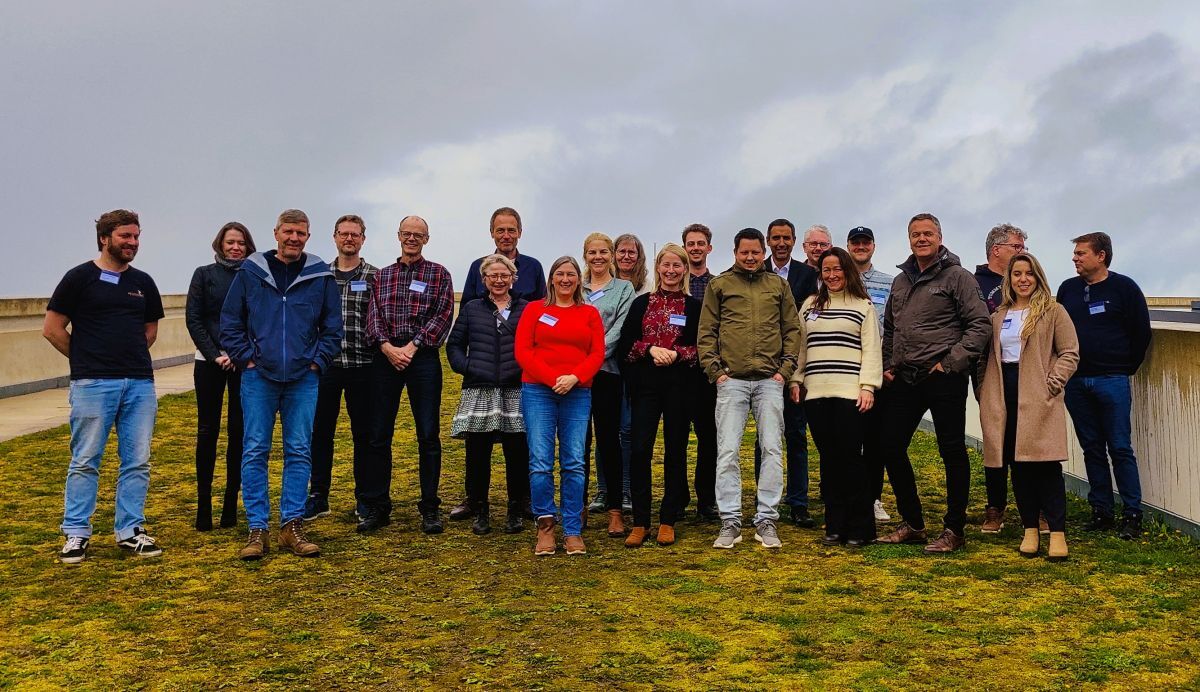
DELIFEED is not a pure laboratory research project or a theoretical exercise. It is a hands-on, cross-sector collaboration that brings together research institutions, live-feed producers, biotech innovators and aquaculture companies across Denmark, Norway and Germany.
A shared challenge across the industry
Aquaculture is the fastest-growing animal food production sector globally, but the sector continues to face a bottleneck: reliable access to high-quality live feed for juvenile fish that are not able to eat dry feed as their first meal. Existing options are often nutritionally suboptimal, expensive to enrich, labour-intensive to handle, and in many cases, difficult for young fish to digest efficiently. The consequences are higher mortality, slower growth, deformities, and stressful early transitions to formulated dry feed.
This directly influences operational costs, productivity, health management issues, and antibiotic use. For the DELIFEED partners, this common industry challenge became the starting point for a more ambitious goal: rethinking live feed from the ground up and developing solutions that are biologically robust, practically scalable, and economically feasible for commercial farms.
From research idea to practical solution
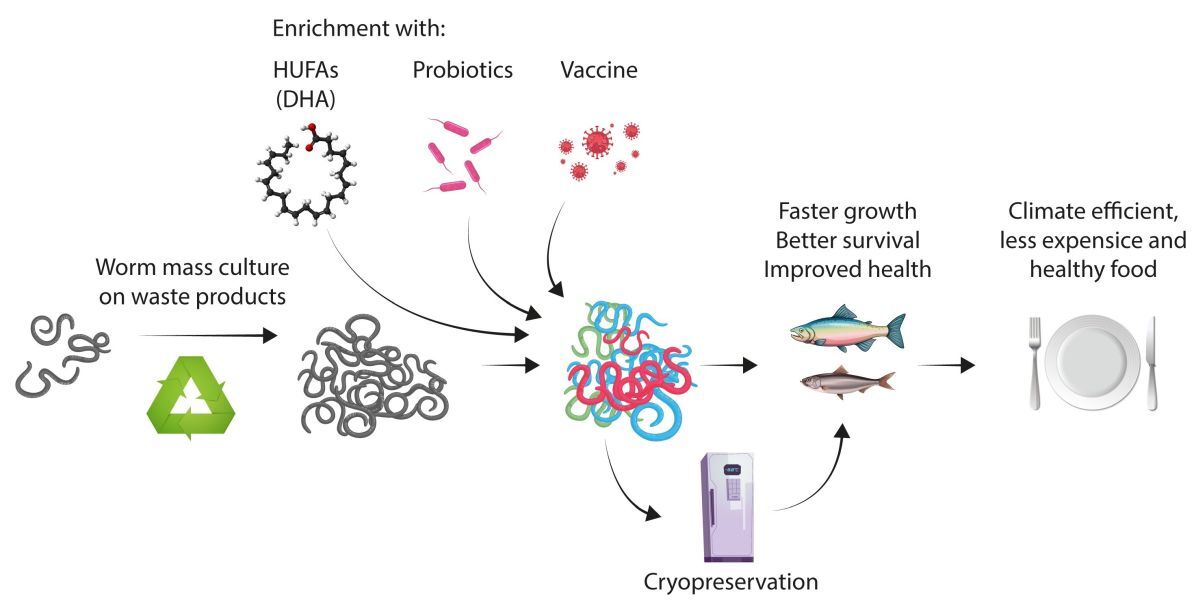
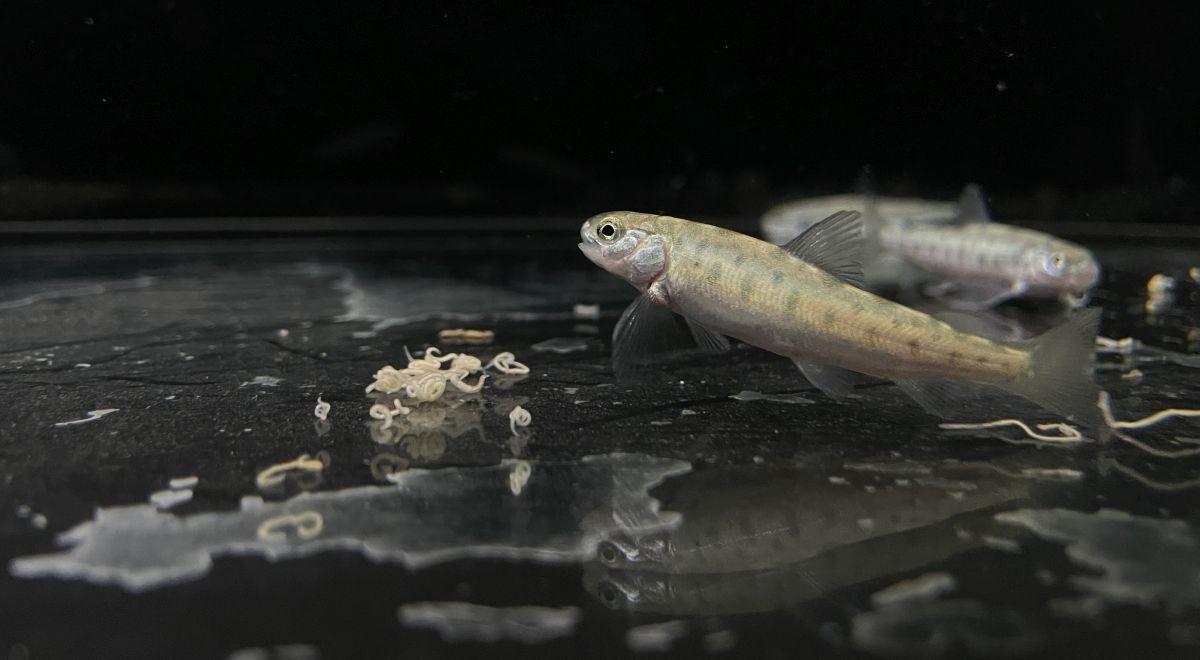
Terrestrial invertebrates, in this case enchytraeids (white worms) and nematodes, have the potential to outperform traditional live feeds when they are produced, optimised and delivered in the right way.
These nutritious worms offer several practical advantages for early-life feeding. They are highly palatable and naturally stimulate feeding behaviour, and their soft-bodied structure makes them easy for juvenile fish to digest. They also naturally contain omega‑3 fatty acids, and their nutritional profile can be further improved to match the needs of different species. Equally important, they can be produced on land using organic by-products, reducing reliance on marine resources and supporting circular bioeconomy principles.
What distinguishes DELIFEED, however, is not just the organisms themselves, but the way the project is organised. Researchers, feed producers, and fish farmers are integrated from the very beginning, ensuring that innovations are shaped by real-world production challenges.
What DELIFEED is delivering: gains for farmers
DELIFEED’s work translates into five clear advantages for farmers:
Improved nutritional quality without extra steps – Instead of relying on complex enrichment steps that add time, labour and variability, DELIFEED improves the natural content of essential fatty acids in live feeds during production.
Stronger early growth and survival – Worm‑based feeds give fish a stronger start. Initial DELIFEED feeding trials show successful implementation of the new live feed strategy and improved early growth in multiple species such as Atlantic halibut, turbot, common whitefish, rainbow trout and European flounder. A strong start reduces mortality and makes later production stages more predictable and efficient.
Better fish health and welfare – Live feed naturally triggers feeding behaviour and reduces stress in early life stages. DELIFEED further adds a new dimension by exploring worms as vectors of beneficial micro-organisms and vaccines. This allows introduction of probiotics and vaccines to fish at very early life stages, and opens new paths towards improved robustness and reduced reliance on antibiotics.
Reliable supply when you need it – One of fish farmers’ biggest frustrations is the uncertainty around live-feed availability. DELIFEED addresses this by developing industrial-scale cryopreservation and dehydration technologies that enable long-term storage and transport of ready-to-use live feed. For farmers, this means reliability instead of uncertainty.
Sustainable production – Producing worms on land using organic side streams not only reduces pressure on marine resources but also opens the door to more resilient local supply chains. In practice, this means a smaller environmental footprint for the sector.
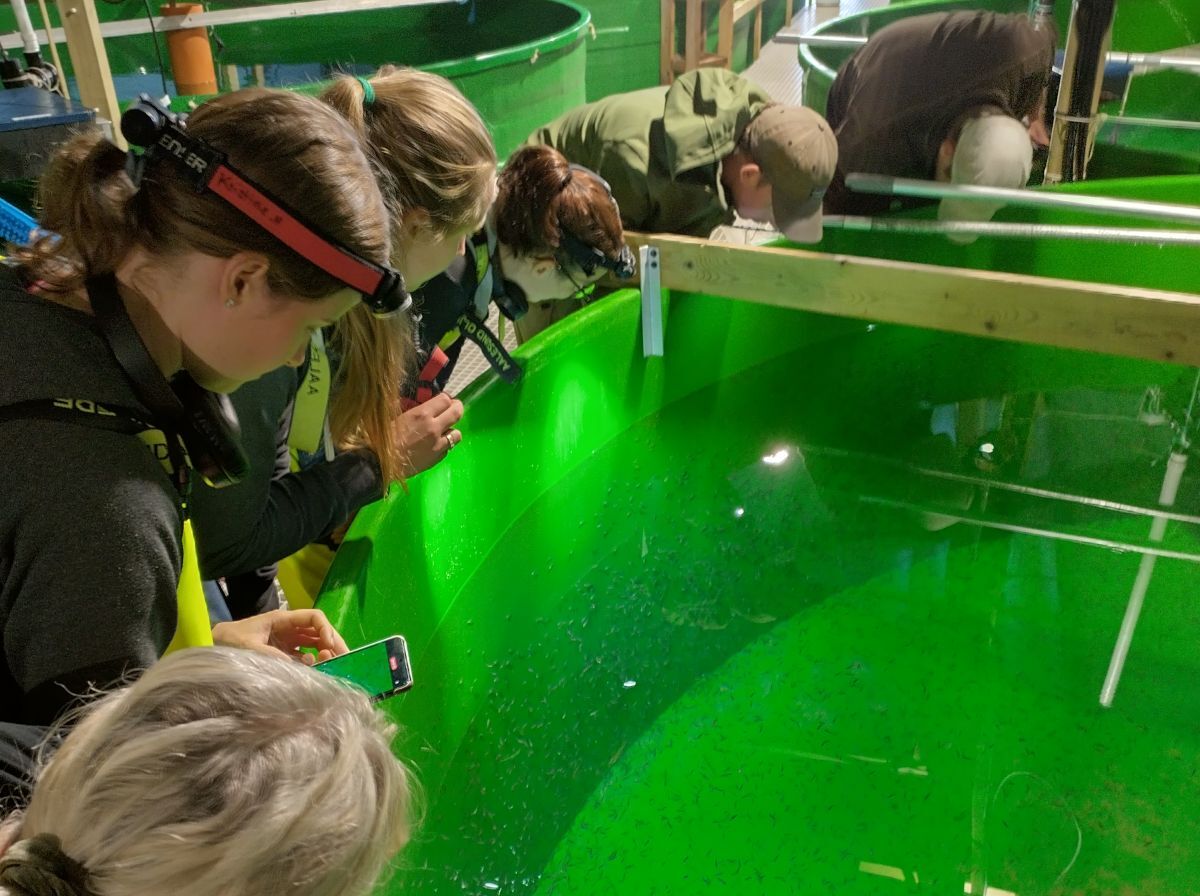
People at the centre of innovation
Behind every technology and trial in DELIFEED stands a group of people who understand both science and farming realities. The project brings together fish farmers, live feed producers, fish-health experts, and researchers who share a common mindset: solutions must be practical, scalable and ready for real-world use.
This close collaboration creates a fast feedback loop between research and practice.
Results from farms and hatcheries feed directly into the next round of experimental design, while new ideas are rapidly tested at pilot or industrial scale. For farmers, this reduces the risk when adopting new solutions, because they have been tested under realistic conditions, and ensures that innovations will deliver value.
Looking ahead
As aquaculture continues to grow, expectations are rising just as quickly. Both consumers and fish farmers are calling for a more sustainable fish production and higher fish welfare.
Meeting these demands starts long before fish reach sea cages or grow‑out systems. It starts in the earliest days of life, where feed quality determines robustness, survival and long‑term performance.
DELIFEED demonstrates how targeted innovation in live feed, developed through close cooperation between research and industry, can remove long-standing bottlenecks in juvenile fish production. By giving young fish a better start, farmers gain healthier stocks, more stable production, improved animal welfare, and greater freedom to farm sustainably.
Why not try these links to see what our Fish Farmer AI can tell you.
(Please note this is an experimental service)
You May Also Like





© 2026 Fish Farmer.