




Barcelona: a global showcase
Travel disruption and global insecurity over the ongoing conflict in the Middle East were not enough to dampen spirits at the world’s biggest seafood trade show.


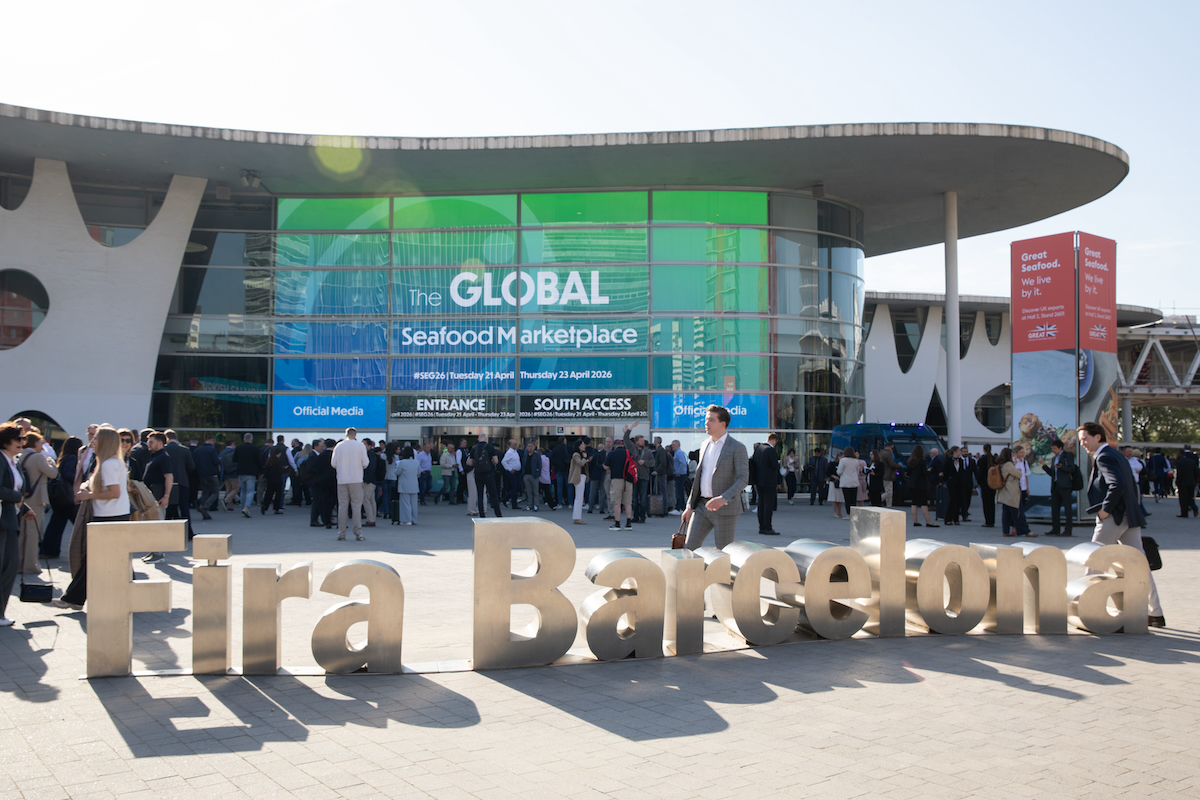
Expectations are always high for Seafood Expo Global/Seafood Processing Global and Barcelona did not disappoint.
The world’s largest and most diverse seafood trade event concluded its 32nd edition with more than 35,500 seafood professionals in attendance. Over the course of three days, suppliers, buyers and industry stakeholders from around the globe gathered to exchange insights, explore innovations and address the key opportunities and challenges shaping the future of the sector.
This year’s edition represented the largest in the event’s history in terms of attendance and exhibit space with more than 2,290 exhibiting companies from 85 countries and 65 national and regional pavilions, covering more than 52,980 net square metres of exhibit space. Held at Fira de Barcelona’s Gran Vía venue, the expo spanned halls 1 through 5, as well as the galleria between halls 4 and 5. The event is estimated to have generated an economic impact exceeding 161 million euros for the city.
Countries from around the world were represented through seafood producers, retailers, national and regional pavilions and government delegations.
Exhibitors at Seafood Expo Global presented a wide range of seafood products, including fresh, frozen, canned, value-added, processed and packaged offerings, highlighting innovation across all categories.
Meanwhile, Seafood Processing Global brought together companies covering the full spectrum of processing solutions, from packaging materials and machinery to refrigeration systems, processing equipment, sanitation technologies, transport, logistics, quality control services and more.
The conference programme, accompanying the Expo, offered seafood professionals a comprehensive look at the industry from every angle, spanning sustainable sourcing and supply chain transparency, responsible aquaculture and fisheries innovation, worker welfare and brand-driven business growth among others. Sessions ranged from expert discussions on responsible marine ingredient sourcing, ESG-driven innovation in blue food systems, meaningful worker engagement across seafood supply chains, how strategic branding and category creation are redefining commercial growth beyond commodities and more.
A highlight of the programme was the keynote address, “High Stakes, Shifting Tides: The Global Outlook on Seafood, Trade, Economic Pressure Points and Opportunities,” delivered by Dr Nomi Prins, economist and geopolitical strategist. Her presentation provided a forward-looking analysis of the economic forces influencing the global seafood market and how companies can capitalise on new trade paths and product diversification to meet robust demand in 2026.
A major new feature of this year’s edition was the Aquaculture Innovation Zone, a dedicated space focused on the future of aquaculture. The zone included an Innovation Theatre with product pitches, programming and networking opportunities. The new area brought together companies, start-ups and researchers working on solutions in areas such as fish health, water quality monitoring, AI-driven analytics and sustainable production systems.

Scottish seafood to the fore
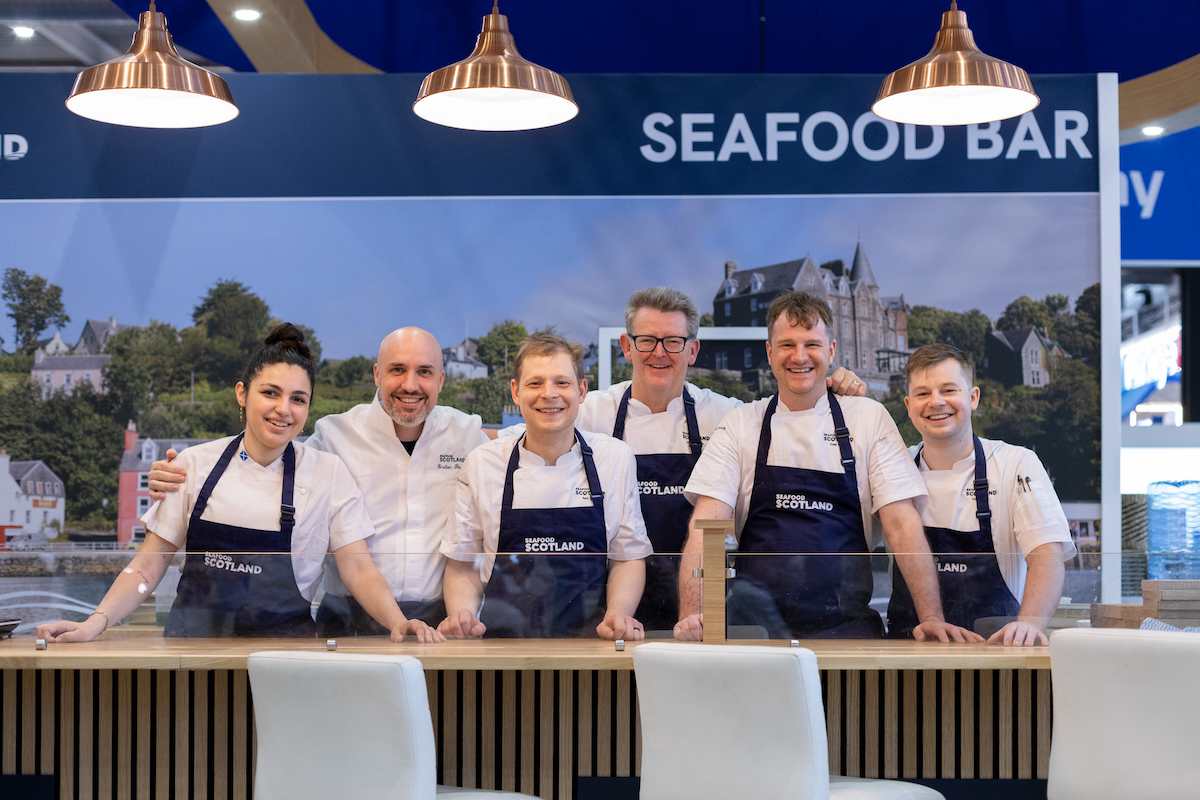
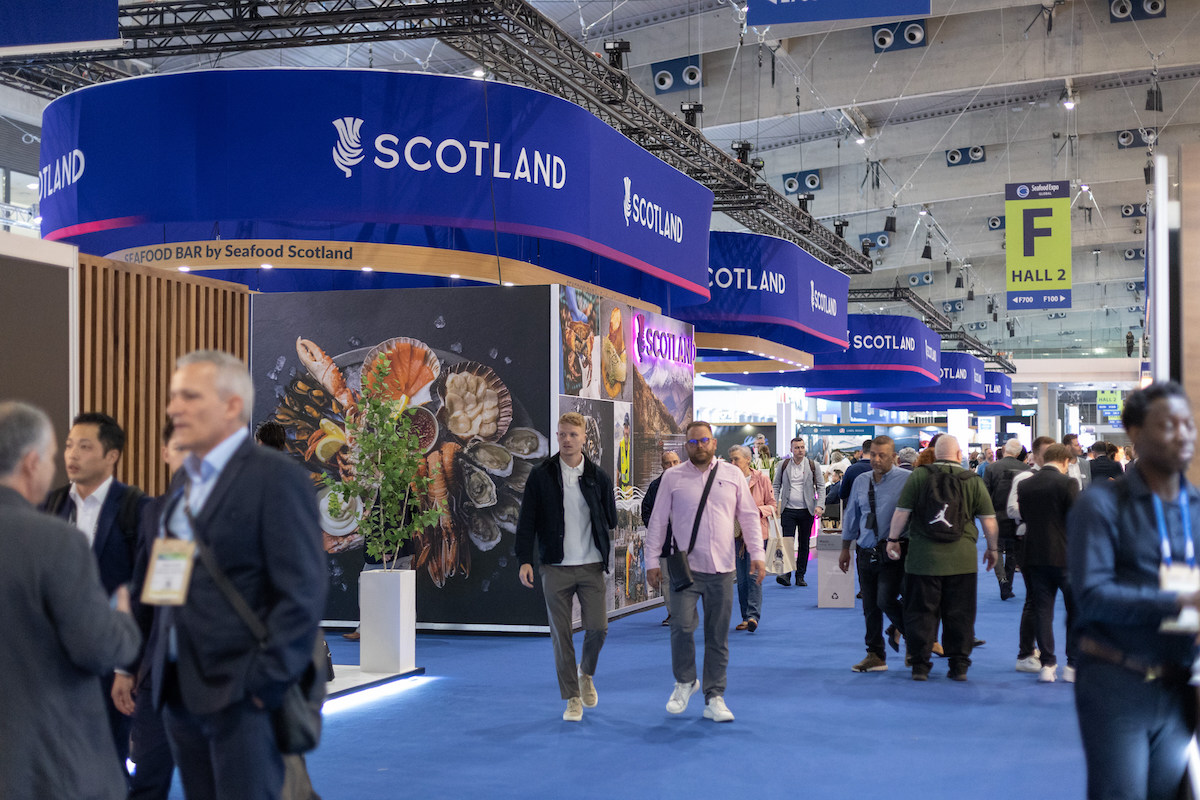
Once again, Scottish seafood was represented with a pavilion hosted by industry body Seafood Scotland, in collaboration with Scottish Development International.
Marie-Anne Omnes, Head of Trade Marketing – Europe for Seafood Scotland, says this year’s show has been a success: “The feedback we’ve had from companies is that it’s been extremely busy and extremely focused. So, there have been lots of meetings, good meetings, with people interested in Scottish seafood.”
This is “the Year of the Chef” for Seafood Scotland, and in keeping with that theme, this year’s event programme in Barcelona saw the launch of Seafood Scotland’s Young Chef Toolkit, a new initiative designed to inspire and support the next generation of culinary talent to work with Scottish seafood – providing practical guidance on species knowledge, preparation techniques and menu development to build confidence.
The Toolkit reflects the critical role young chefs play in shaping demand, driving innovation and championing the provenance and versatility of Scottish seafood across global markets. This commitment to nurturing future talent is reinforced, Seafood Scotland says, through ongoing partnerships with leading culinary institutions across Europe.
Marie-Anne Omnes explains: “We aim to establish that in the world of seafood, Scottish seafood is premium and chosen by the people who know about food and gastronomy.”
Visitors to the Scotland Pavilion saw the chef-focused programme brought to life through a theatre-style kitchen, where renowned chefs – including Gary Maclean and Emilien Rouable – alongside Wilde Thyme and brand experience leader Andrew Hamer, showcased Scottish seafood through live demonstrations and curated dishes.
Donna Fordyce, Chief Executive of Seafood Scotland, said: “We are particularly proud to be showcasing not only the quality and diversity of our sector, but also its future. Through our ‘Year of the Chef’ theme and the launch of the Young Chef Toolkit, we are investing in the people who will shape how Scottish seafood is experienced and valued around the world for years to come.
“Together, these initiatives reflect a clear focus on securing the long-term future of Scotland’s seafood sector – from nurturing talent to driving innovation and maximising value.”
The show also saw a presentation by the Scottish Ocean Cluster, an initiative launched last year in Barcelona, aimed at ensuring that nothing from the seafood catch or harvest is wasted in processing. This year the Cluster held a roundtable discussion in collaboration with the Iceland Ocean Cluster and its founder and Chairman Thor Sigfusson.
The 12 producers represented in the Scottish Pavilion were: Associated Seafoods; IFC – International Fish Canners; JK Thomson; Loch Duart Salmon; Lunar Freezing; PDK Scottish Shellfish / Orkney Crab; Saint James Smokehouse; Scottish Ocean Cluster; Scottish Sea Farms; Scottish Shellfish Marketing Group; Simpson Fish; and Thistle Seafoods.
Great British Seafood
The Scottish Pavilion – and the UK Pavilion promoting Great British Seafood – saw a visit from Dame Angela Eagle, the UK Government’s Minister of State for Food Security and Rural Affairs, who took the opportunity to announce a £1.5 million funding package, as part of the Fishing and Coastal Growth Fund, to help British seafood reach a wider global market.
Dame Angela said: “Seafood Expo Global is a vital opportunity to showcase the very best of UK fish and shellfish on the world stage. Our fish and seafood are celebrated internationally for exceptional quality, trusted provenance and the skill of the communities who harvest and prepare it. From responsible and sustainable practices to transparent supply chains and world‑class standards, the UK seafood industry continues to set itself apart.
“I’m proud to see UK businesses in Barcelona building new partnerships and demonstrating why UK seafood is so highly regarded across global markets.”
Seafish’s Chief Executive, Colin Faulkner, added: “UK fish and shellfish is recognised globally for its short, transparent and traceable supply chains, alongside rigorous food safety and welfare standards enforced at every stage of production. Many UK businesses also go beyond statutory requirements, holding internationally recognised voluntary accreditations that set them apart on the global stage.
“Seafood Expo Global provides an essential platform to feature what the UK has to offer, connecting worldwide buyers with innovative companies that are export ready and demonstrating why UK fish and shellfish continues to be trusted on the world stage.
“As such, Seafish are proud to be able to partner with Defra and other UK government departments to facilitate and host companies from all four nations of the United Kingdom on the UK pavilion at SEG.”
This was in fact the first time that all four nations of the United Kingdom were featured in the UK Pavilion at Barcelona, with representation from Scotland and Wales this year as well as England and Northern Ireland.
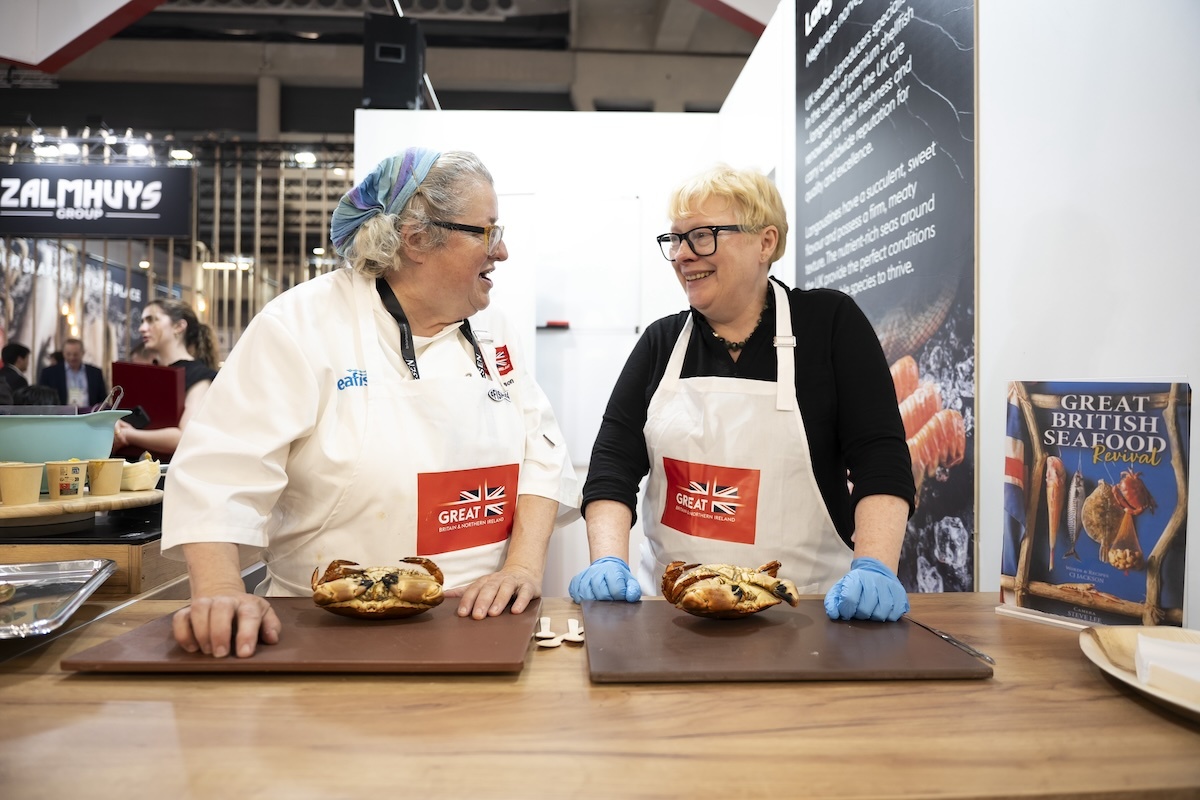
The UK Pavilion featured a live kitchen, showcasing fish and shellfish from across the UK, CJ Jackson, a food writer, broadcaster and former Chief Executive of the Billingsgate Seafood Training School, and sous chefs Sarah Richardson and Connor Law from the Elior Academy, who prepared, cooked and served up over 2,500 samples of UK fish and shellfish.
The UK’s presence at the Expo was part of the GREAT Britain & Northern Ireland campaign, which promotes the very best of UK food and drink globally, celebrating produce that combines tradition, innovation and outstanding quality.
Global perspective
The Canadian Government was also making the most of the opportunity to promote its own seafood producers.
Joanne Thompson, Canada’s Minister of Fisheries, attended the Expo and met with Canadian exporters, European buyers, and senior counterparts from Spain, the European Union, and the UK.
The Ministry says: “These meetings highlighted strong European demand for Canadian seafood, particularly frozen and value-added products, driven by Canada’s strong sustainability credentials, consistent quality and reliable year-round supply, at a time when diversifying export markets matters more than ever.”
Minister Thompson met with senior leadership at La Sirena, Spain’s leading frozen‑food retailer, to highlight the growing presence and performance of Canadian seafood in the Spanish market. Discussions focused on the success of the Sabores de Canada (Flavours from Canada) campaign, which has driven significant growth in Canadian seafood sales through La Sirena, including lobster, snow crab, scallops and cod.
Since the launch of the campaign, purchases through La Sirena have grown by more than 80% over two years, reaching CAN $2.77 million (£1.5m) in 2025-2026.
The Fisheries Ministry says: “The La Sirena meeting underscored that long-term commercial partnerships are built on trust and consistent delivery as Canada works to grow its presence in Europe and diversify export markets.”
One of the ongoing trends in the global seafood sector is the increasing demand from consumers and retailers for assurance on issues like ethics and sustainability.
This is underpinned by the efforts of those international bodies dedicated to setting standards for trade.
Agraya, the organisation behind GLOBALG.A.P certification, was celebrating 25 years since its foundation. GLOBALG.A.P sets standards for agriculture, floriculture and aquaculture, and nearly 200 certified producers at farm level and processors were present in Barcelona this year.
Agraya is also responsible for the GGN label, used to give consumers assurance that the products they buy are grown, processed and transported with traceability and in accordance with GLOBALG.A.P’s standards.
Valeska Weymann, Senior Technical Expert at Agraya, says there was a lot of interest shown in the certification for both feed and aquatic species at the show. This included, for example, producers from China, India and Morocco.
She adds that GLOBALG.A.P is distinguished by covering the whole supply chain, from hatchery to plate, and by its holistic approach which includes, for example, animal welfare, food safety and workers’ health and safety.
Meanwhile, the Aquaculture Stewardship Council (ASC), which is also a leading standard setting body for aquaculture, was also present in Barcelona. ASC showcased its newly launched label, which was prominently featured by partners across multiple countries and product categories.
ASC also hosted a side event with the theme “Proving Change from Source to Shelf: Reducing Risk, Building Trust and Driving Demand in a Changing World”. The session explored how the ASC Feed and Farm Standards strengthen the management of supply chain risks and how the new label empowers consumers with clear and verifiable information they can trust.
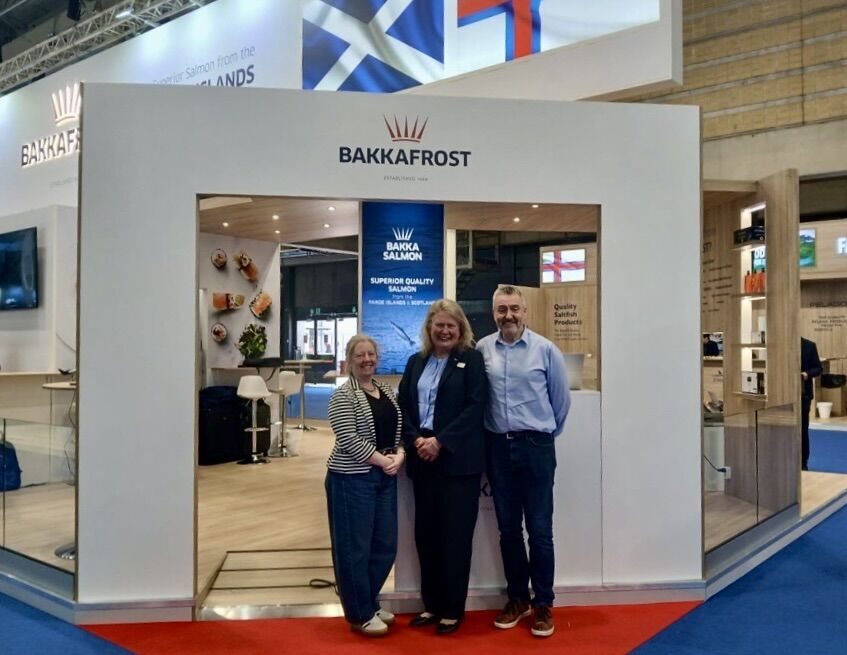
The organisation celebrated an industry milestone in Barcelona with the announcement that Bakkafrost Scotland had achieved 100% ASC certification across all its Scottish sites, following full certification of its Faroese operations. ASC representatives congratulated the company on this achievement, which reflects a strong commitment to robust environmental and social standards, as well as full traceability and continuous improvement. This accomplishment sets a new benchmark for transparency and accountability in aquaculture.
Celebrating excellence
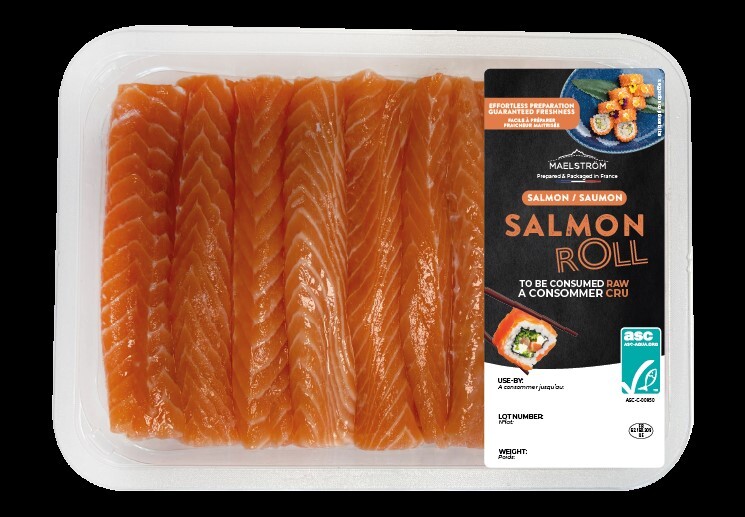
The Seafood Excellence Global Awards celebrated the best products represented at the Expo, with 35 finalists from 16 countries. Vičiūnai Group (Lithuania) and Frais Embal (France) received the top distinctions. Vičiūnai Group was awarded Best Retail Product for Smoked Herring Slices – Natural Flavour, while Frais Embal earned Best HORECA Product for its Salmon Roll.
Wynter Courmont, Group Vice President, Seafood at Diversified, organisers of the Expo, sums up a successful show: “The energy and high level of engagement across the exhibition floor at this year’s edition clearly highlighted the value of in-person connections for the industry as a whole.
“Participants from across the value chain took advantage of the event to reinforce existing relationships, explore new business opportunities and stay ahead of the trends shaping the future of the seafood industry.”
Looking ahead, the next Seafood Expo Global/Seafood Processing Global will take place in Barcelona from 20-22 April 2027, at Fira de Barcelona’s Gran Vía venue.
Why not try these links to see what our Fish Farmer AI can tell you.
(Please note this is an experimental service)
You May Also Like






© 2026 Fish Farmer.