




Kenya: filling the gap
Lake Victoria, the largest freshwater lake in Africa, and the second largest in the world, has been facing major threats for some years now.


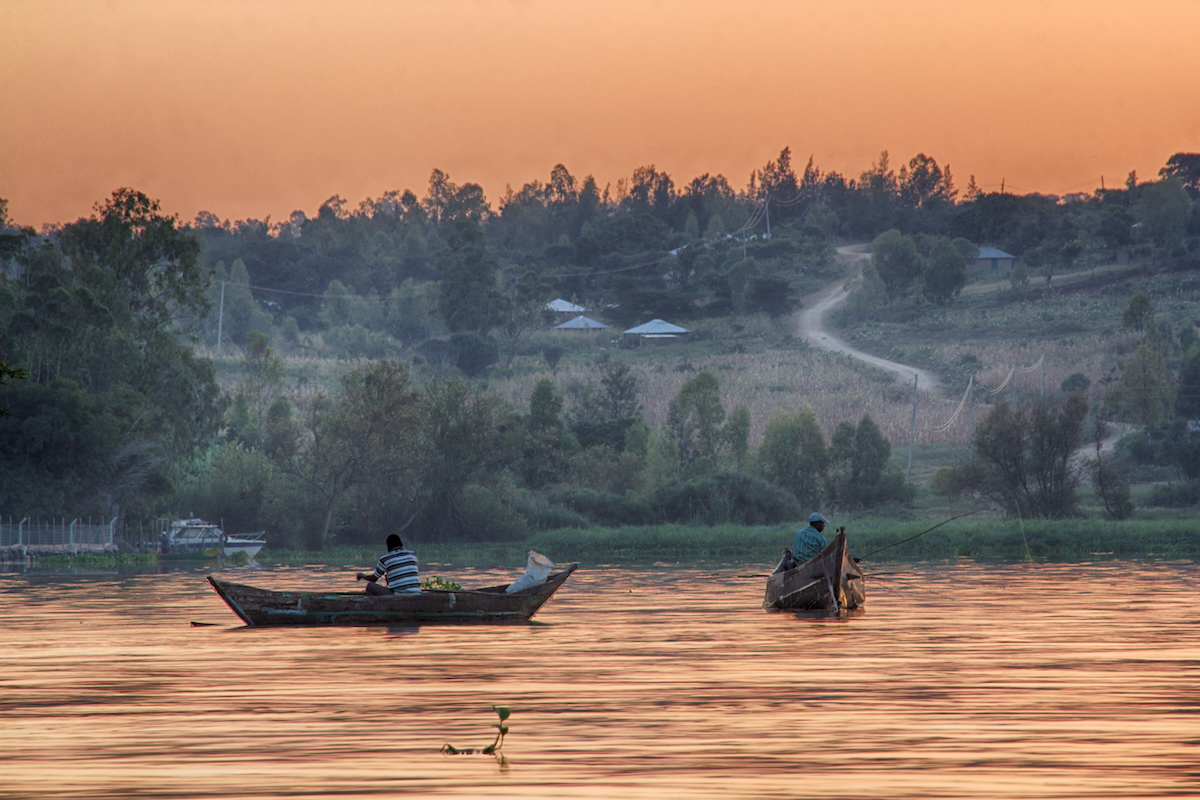
From illegal fishing to overfishing, to the use of banned fishing nets by fishermen, and the challenge of climate change, the lake, known for its Nile tilapia species, is being challenged and the number of fish harvested has been dwindling.
Data from the Kenya National Bureau of Statistics (KNBS) shows a decline in the number of fish being harvested from the lake. In 2024, Lake Victoria accounted for 67,575 tonnes, representing a 3.9% decline in catch as compared to 70,313 tonnes caught in 2023. In 2022, the number of fish caught from the freshwater lake was 86,394 tonnes, compared to 94,349 tonnes in 2021.
“This can be attributed to increased fishing pressure, fish-critical habitat destruction, and the prevalence of illegal fishing and unreported fishing,” says the report.
However, for some farmers in the three East African countries that share the lake – Kenya, Uganda and Tanzania – the shortage of fish has been a blessing in disguise. It is an opportunity to tap into the growing demand for fish, as the supply declines gradually. Several farmers have ventured into aquaculture in a quest to meet the appetite for fresh fish.
The report by KNBS that shows while fish harvests have declined in Lake Victoria, aquaculture, on the other hand, has been recording an increase in the number of fish harvested yearly. In 2020, the number of fish harvested through aquaculture was 19,945 tonnes; 20,973 tonnes in 2021; 27,833 tonnes in 2022; 31,655 tonnes in 2023, and 33,289 tonnes in 2024.
Among those who have ventured into aquaculture is Professor Charles Ngugi, a retired lecturer, a researcher and scientist and the Director of Mwea Aquafish Farm. He says that Kenya is producing slightly below 200,000 metric tonnes of fish per year, and Kenya’s Vision 2030 outlines that the country’s individual consumption should be 10 kilograms of fish per capita.
Professor Ngugi says: “We are presently at only around 4.5kg per person per annum. If we work on that average, then the demand for fish in this country [Kenya] stands at between 500,000 and 600,000 metric tonnes. There is no fish increase coming from wild catch and catches from Lake Victoria; our main source of fish is in decline, but aquaculture has the potential to fill the gap.”
He says that government intervention by way of policy, funding and technology will boost fish production in Kenya. He adds that the training of fish farmers and extension officers (experts operating locally to bridge the gap between scientific research and farmers to boost food security) will ensure that there is an increase in fish production in the country.
He adds: “It is important to note that Kenya, like most countries in the world, is not in support and does not encourage fish importation unless it is really necessary, and this means that the gap can only be filled by utilising our existing aquatic resources in a sustainable manner; the best alternative is aquaculture.
“If we can have more farmers adopting the technology, then the more we have, the more we increase the production in the country.”
A complementary solution
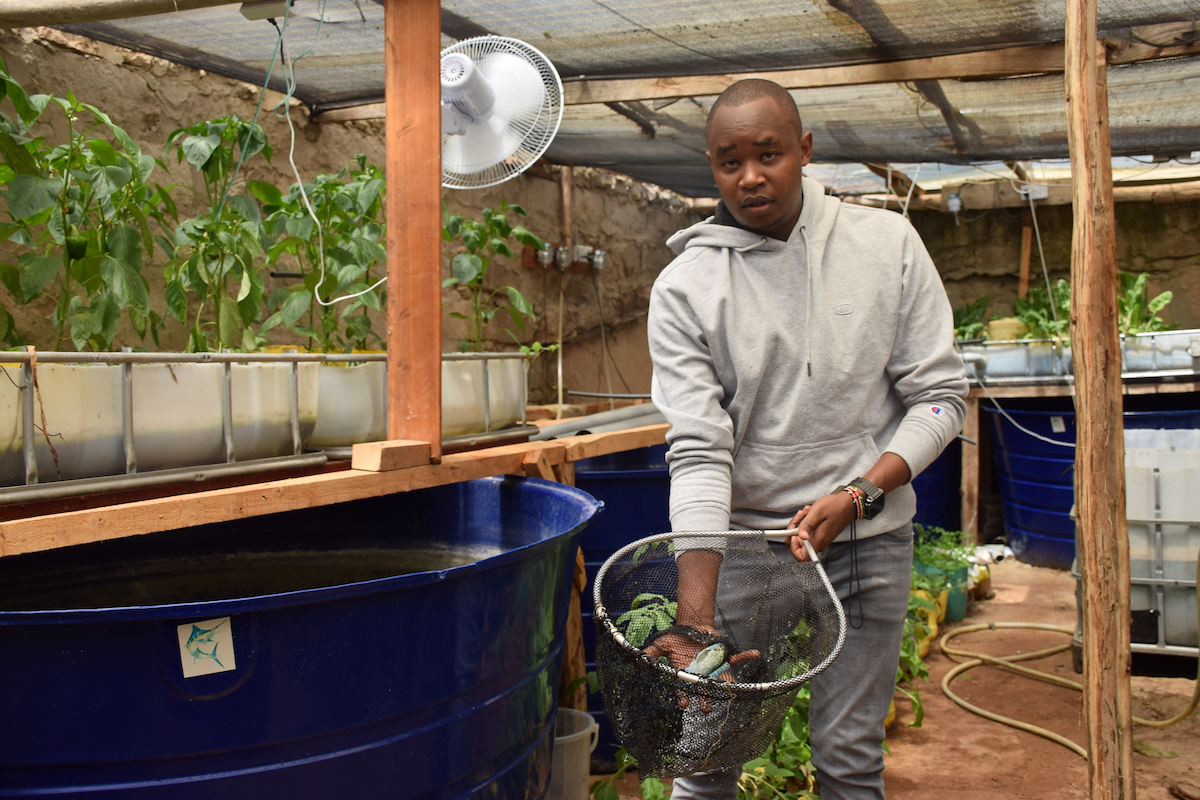
Some kilometres away from Kenya’s capital city Nairobi is a farm owned by Gabriel Thomas Kimeu. The young fish farmer rears tilapia and catfish, as well as some ornamental fish in Makueni County and in the neighbouring Machakos County, eastern Kenya.
Kimeu, the founder and CEO of Zayin Farms, strongly believes that aquaculture, particularly modern recirculating systems (RAS), can play a major role in meeting the growing demand for fish caused by mass fish deaths, illegal fishing and overfishing in Lake Victoria.
He says: “The reality is that the lake is under immense pressure. Fish stocks have declined due to unsustainable harvesting practices, environmental degradation and pollution, yet demand for fish as an affordable source of protein continues to rise across Kenya and the wider region. We cannot ignore this gap between supply and demand.
“At Zayin Farms, we operate a recirculating aquaculture system (RAS), which allows us to produce fish in a controlled, bio-secure and environmentally responsible way. Unlike capture fisheries that depend on natural breeding cycles and are vulnerable to climate variability, our system ensures consistent production throughout the year, while using significantly less water and preventing waste discharge into natural water bodies. Every kilogram of fish produced through sustainable aquaculture reduces pressure on wild stocks and gives the lake an opportunity to recover.”
Nevertheless, Kimeu doesn’t see aquaculture as a replacement for Lake Victoria, but rather as a complementary solution. He adds that sustainable lake management, stronger enforcement against illegal fishing, habitat restoration and pollution control must go hand in hand with the expansion of responsible fish farming.
“If we align conservation efforts with technological innovation in aquaculture, we can stabilise supply, protect livelihoods and secure the future of the fisheries sector. In my view, aquaculture is not just an option; it is a strategic necessity for food security and economic resilience. I believe the government has a critical role to play in strengthening aquaculture so that it can meaningfully contribute to food security and reduce pressure on Lake Victoria. If fish farmers are to improve production, support must move beyond policy statements and become practical, structured and accessible,” adds the young farmer.
Kimeu says that the government of Kenya should improve access to affordable financing. He adds that aquaculture, especially RAS, requires significant upfront capital for tanks, filtration systems, pumps, quality feeds and fingerlings. Many farmers, he says, struggle to scale up because commercial loans are expensive and not tailored to aquaculture cycles.
He adds: “Specialised low-interest credit facilities, credit guarantees or equipment subsidies would enable farmers to expand production sustainably.
“Secondly, there needs to be stronger investment in research, training and extension services. Farmers require technical guidance on water quality management, disease control, feed efficiency and system optimisation. Regular training programmes, demonstration farms and partnerships with universities would help improve survival rates and productivity, while reducing losses. Skilled technical support at county level would also ensure farmers are not left to troubleshoot complex production challenges alone.
“Thirdly, the government should strengthen hatchery regulation and feed quality control. Access to certified, high-quality fingerlings and nutritionally balanced feeds directly affects yields. Clear standards, inspections and support for local hatcheries would improve consistency across the sector and reduce farm-level risks.”
Infrastructure is another key area, Kimeu stresses: “Reliable electricity, water access and good road networks significantly affect operational costs and market access. For RAS farms in particular, stable power supply is essential. Investment in rural infrastructure would directly improve productivity and profitability.
“Finally, market development and value chain support are crucial and critical. The government can promote locally farmed fish through public procurement programmes, support cold-chain infrastructure and help farmers access regional export markets. By stabilising demand and improving market linkages, farmers can plan production with greater confidence.”
In Kimeu’s view, if the government of Kenya combines financing support, technical training, quality regulation, infrastructure development and market facilitation, aquaculture in Kenya can scale responsibly and sustainably. He adds that with the right framework, fish farmers can not only improve production, but also become a central pillar of national food security and economic growth.
“At Zayin Aqua farm, we rear a diverse range of species to serve both the food and specialised markets. Our primary food fish species are tilapia and African catfish, which are well suited to our recirculating aquaculture system and to the Kenyan market. Tilapia remains one of the most in-demand protein sources due to its affordability and consumer preference, while African catfish is valued for its fast growth rate, resilience and strong local demand. In addition to food fish production, we also rear ornamental species for the aquarium market. This segment allows us to diversify our revenue streams and tap into a growing niche market that requires high-quality, well-managed aquatic systems. By combining food fish production with ornamental aquaculture, we are able to optimise our infrastructure, manage risk and maintain year-round cash flow while meeting different segments of the aquaculture value chain.”
He is in the process of establishing a tilapia hatchery, which he expects to be fully operational by the end of the year. He says that this will strengthen vertical integration, improve stock consistency and give the business greater control over quality and biosecurity.
“At present, our production capacity for fresh table fish stands at approximately 15 tonnes per year. This output is primarily focused on meeting the needs of our existing customer base while maintaining high production standards within our recirculating aquaculture system. Due to growing demand, we are actively working towards scaling our operations to 70 tonnes per year. This expansion will allow us to better serve our market, improve economies of scale and contribute more significantly to reducing pressure on wild fisheries such as Lake Victoria,” says the farmer.
Kimeu’s clients vary depending on the segment of production. For fresh table fish, his largest customers are local eateries, individual consumers and small-scale roadside fish mongers.
He adds that these buyers value consistent supply, freshness and reliable sizing, and he has built a strong rapport with them over time.
“Because we are positioned close to emerging markets, especially in Makueni and the surrounding areas, we are able to supply fish that is fresh, locally produced and readily available, something that is often inconsistent in areas that rely heavily on fish transported from Lake Victoria.”
He says that Zayin’s long-term vision in aquaculture is centred on expansion, impact and quality, and adds that they are working towards scaling up production capacity to at least 300 tonnes per annum.
The farmer says: “This growth is not simply about increasing volume; it is about strengthening food security, stabilising local supply chains and reducing dependence on overstretched capture fisheries such as Lake Victoria.
“As we expand, job creation remains a core priority. Aquaculture has the potential to generate employment across the value chain, from production and hatchery management to processing, distribution and farm support services. By scaling responsibly, we aim to create sustainable livelihoods within the communities we operate in.
“Above all, our focus is on delivering high-quality table fish that is fresh, traceable and produced under controlled, environmentally responsible systems. We want to bring reliable, high-quality nutrition closer to the people – particularly in regions where access to fresh fish is limited or inconsistent. Our expansion plans are therefore driven by both commercial growth and a commitment to long-term community impact and sustainability.”
‘A very big role’ for aquaculture
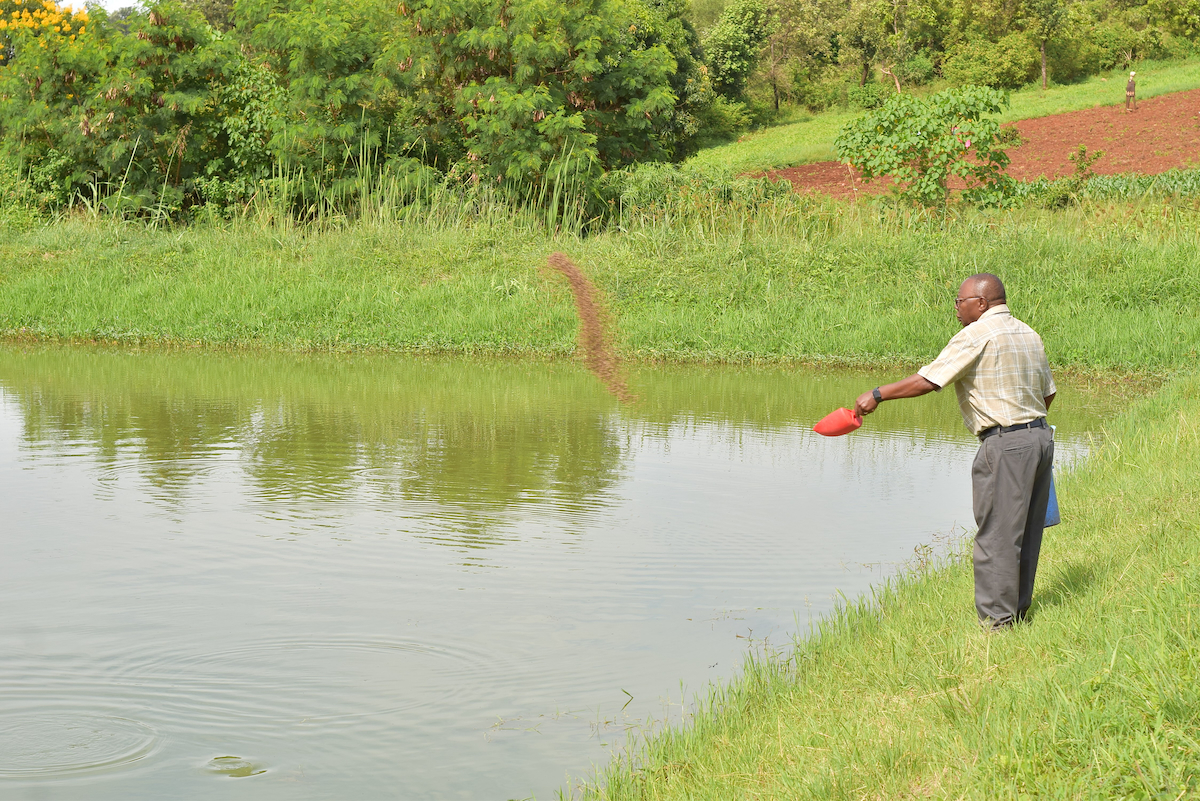
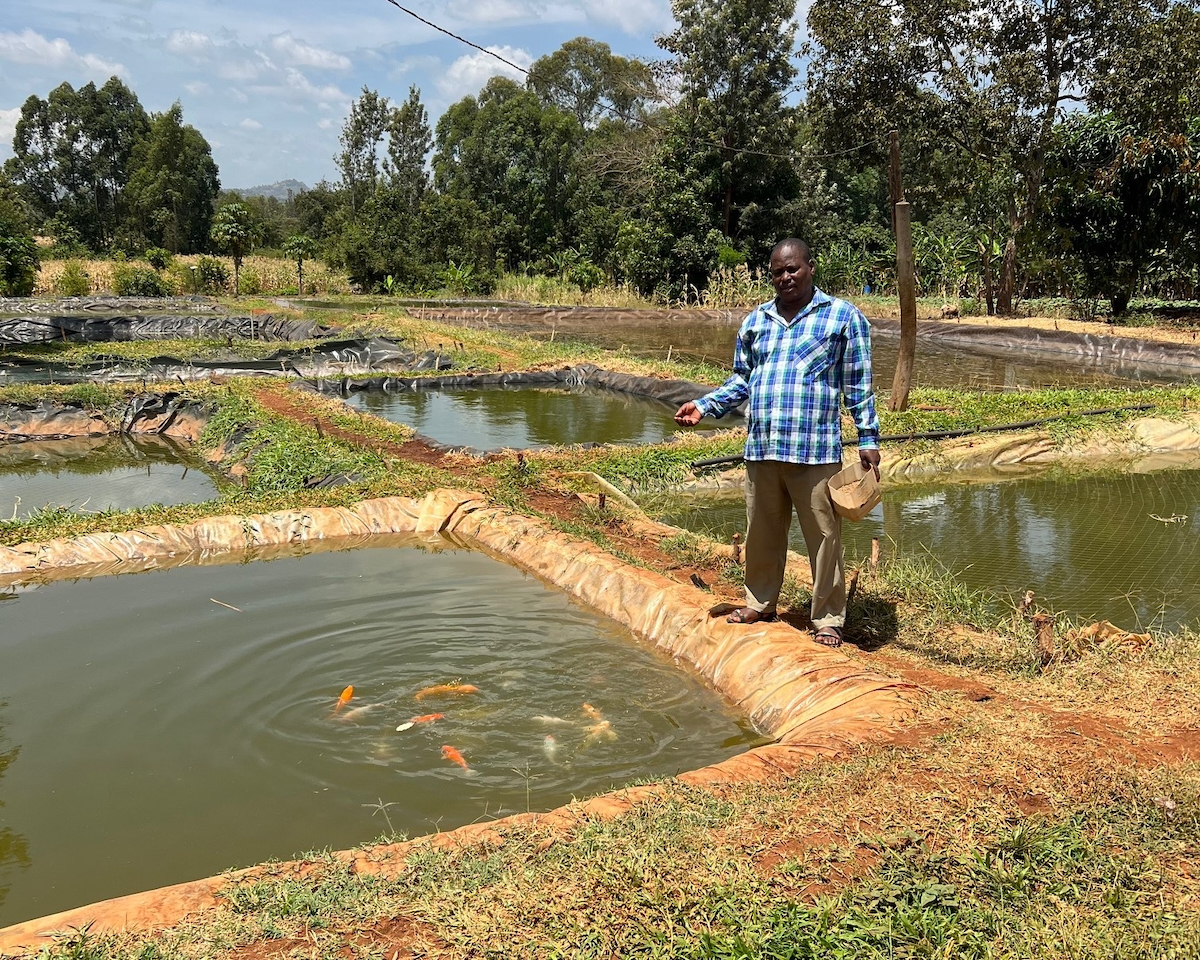
In central Kenya, Charles Kariuki runs Njuki-ini Fish Farm in Sagana, along the highway on the way to Nyeri. His farm sits on one acre of land and currently has about 15 fishponds, and rears tilapia, catfish and ornamental fish which are sold throughout the country.
Charles’ son, Kelvin Kariuki, who is the Farm Manager, says that aquaculture can play a very big role in increasing fish production to cater for the ever dwindling number of fish in Lake Victoria.
As he puts it: “If well supported, fish farming can significantly increase fish production and help replace the declining supply from Lake Victoria. The government should empower more people to start fish farming and help farmers access reliable markets, especially for tilapia and catfish. Support in training, financing, and market linkage would make a huge difference. What farmers need is basic training and guaranteed markets. With that in place, many can benefit from aquaculture”.
Another example of pond farming can be found in the coastal region, where Paul Murage runs Pwani Fish Farm and Hatchery. This business rears tilapia, catfish and some ornamental fish. Murage also sells fingerlings to other farmers and offers training to help them run their fish farms successfully.
The fish farmer says that they use liner ponds and concrete ponds. He imported male-only fish from Til-Aqua, Netherlands. He says that his farm has the capacity to produce up to 200,000 fingerlings per year, depending on the orders they receive from their clients.
The development of fish farming in Kenya does not mean that the problems of Lake Victoria can be ignored. It does hold out hope, however, that domestic production can help to fill the gap, ensure the availability of good quality protein for local consumers and bring prosperity for the rural economy.
Why not try these links to see what our Fish Farmer AI can tell you.
(Please note this is an experimental service)
You May Also Like




© 2026 Fish Farmer.