




Breed for resilience, manage for prevention
New research points way for improving gill health in UK Atlantic salmon production

By integrating genetic resistance with best practices, UK salmon producers can improve welfare, productivity, and long-term sustainability in marine farming systems. Benchmark Genetics is stepping into the frontline to support salmon farmers facing gill disease challenges.
In Scotland, where Atlantic salmon farming is a major food export, rising sea temperatures, combined with pathogens and environmental stressors, are driving higher gill disease incidence and mortalities—leaving farmers seeking effective tools for prevention and management. Conditions such as Amoebic Gill Disease (AGD) and the multifactorial Complex Gill Disease (CGD), damage delicate respiratory surfaces, reduce growth, increase costs, and cause losses during the marine phase of production.
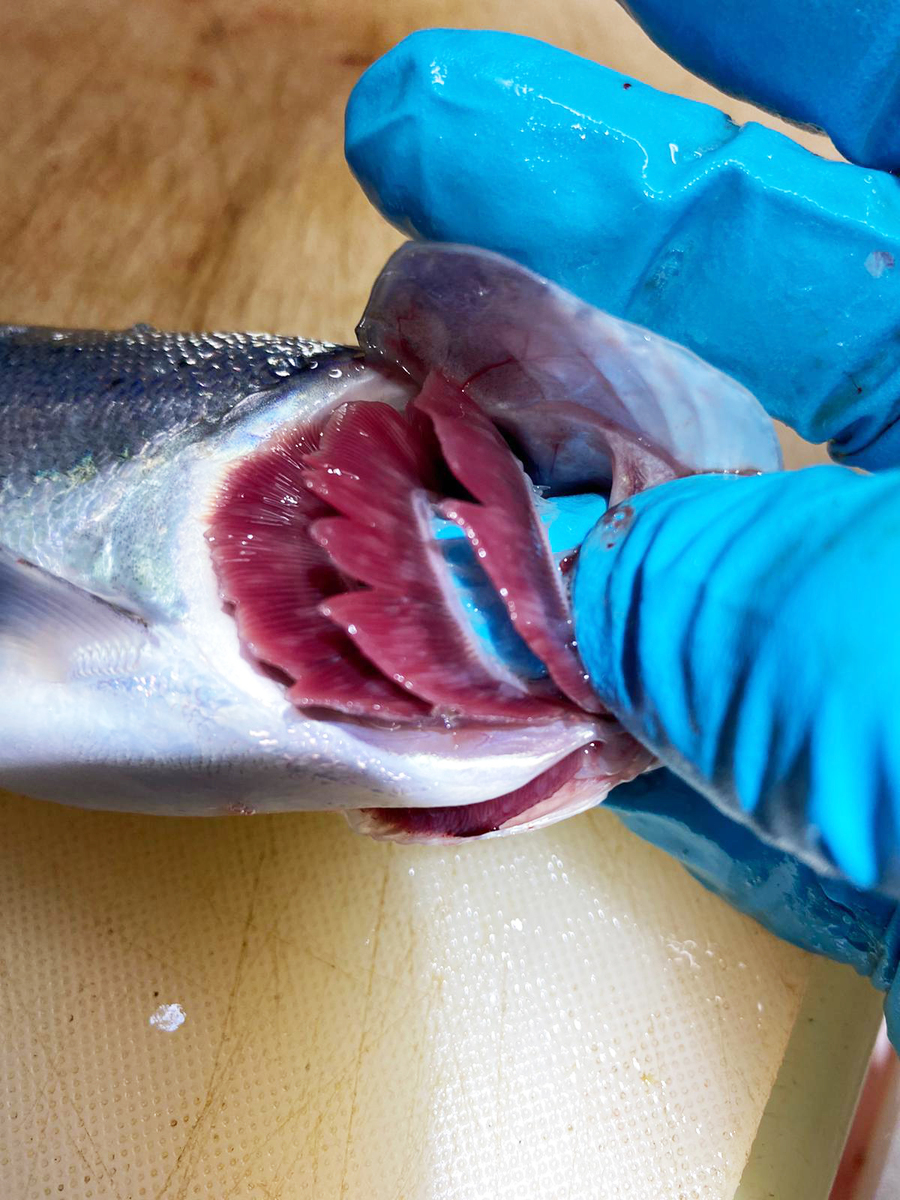
Benchmark Genetics has positioned selective breeding and genomic tools as part of the solution. The company supplies salmon ova to 40 countries, designed to deliver strong biological performance in diverse production environments on land or at sea. Biosecurity, year-round supply and trait selection tailored to regional challenges are key features.
Over the past four years, Benchmark Genetics’ world-leading genetics R&D team has undertaken a strategic gill health research initiative collaborating with customers and leading academic institutions including the University of Stirling’s Institute of Aquaculture. The research has advanced understanding of gill health through optimised disease-challenge models and field-performance testing.
Research indicates that targeted phenotyping supported by genomics and selective breeding, can reduce susceptibility to CGD despite its multifactorial nature.
“Benchmarking the performance of genetics tailored to local environmental conditions is key to bolstering our genetics products,” says Dr. Andrew Preston, Head of Product Development at Benchmark Genetics.
Benchmark Genetics’ product portfolio includes selection for specific growth and key disease-resistance traits. By integrating genomic selection for gill health into their breeding programs, they reduce the vulnerability of farmed salmon to pathogens over successive generations achieved by cumulative genetic gains. Benchmark Genetics strategic collaborations with key customers reflect this focus to drive product performance, including gill-health related initiatives.
“We have translated these research findings into applied breeding programmes and a commercial product including gill health resistance for a customer in the UK market. Validating them under commercial conditions represents a crucial step for us and our farming partners,” says Kate Furhovden Stenerud, CCO at Benchmark Genetics.
For salmon farmers facing unpredictable environmental pressures, genetic improvements – paired with vigilant health management – offer a route to reduce the economic and welfare impacts of gill diseases.
Improving gill health in salmon farming requires a collaborative effort, combining genetic resistance and effective fish health management. Benchmark Genetics provides one important tool, but success depends on integrating breeding advances with the best on-farm practices.


Why not try these links to see what our Fish Farmer AI can tell you.
(Please note this is an experimental service)
You May Also Like







© 2026 Fish Farmer.