




Market not muscle
In the November issue of Fish Farmer, Nick Joy commented on some points I had made in an earlier column, which I subsequently addressed.
However, he also suggested that another area of disagreement was over the high price of salmon.


Nick wrote that I find no discomfort in the low-price periods that have afflicted our industry and caused the loss of most of the small independent producers in Scotland and elsewhere.
I have decided to respond to Nick’s comments now, because while Norway has previously retained many of its small producers, it is now undergoing the changes that Scotland has experienced over many years.
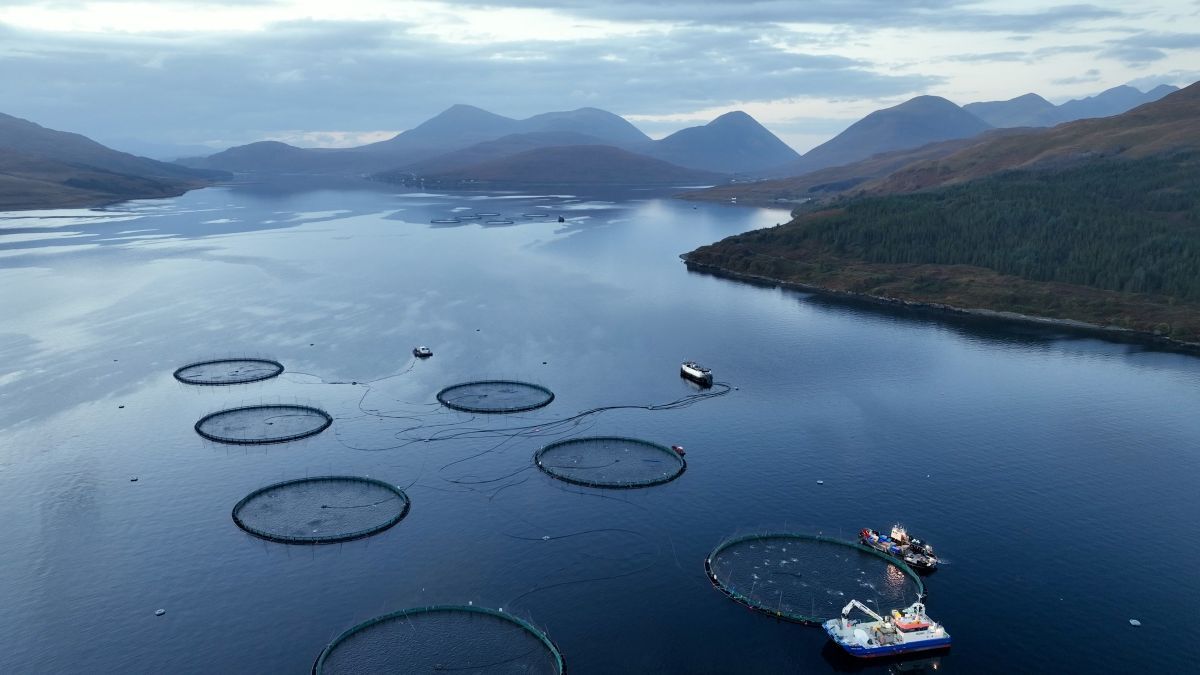
There are probably not that many readers of Fish Farmer who will remember the EU dumping case against Norway in the late 1980s. At the time, there were around 180 salmon farming companies operating in Scotland, mostly small in size, but let’s not forget that it was the Anglo-Dutch corporation Unilever that began to farm salmon in Scotland.
The small companies were attracted to salmon farming because of talk of high prices and rich rewards, and this was certainly true during the Margaret Thatcher years of high consumer spending. But as Mrs Thatcher came to the end of her reign, salmon farming began to undergo change.
From the Scottish perspective, the high price of salmon began to collapse, and, in searching for reasons why, the Scottish industry laid the blame on Norwegian salmon farmers, who the Scots claimed were dumping cheap salmon into the European market.
It is often easy to find a scapegoat for an industry’s problems, but in this case, the focus on Norway was misplaced.
What actually happened was that the salmon farming sector evolved from an industry with low volumes and high margins to one of high volume and low margins.
This was inevitable as the industry expanded. I often use the example of the car industry to illustrate the change. Effectively, the salmon farmers were producing fish in small quantities that were being sold at a high price, much like a Rolls-Royce or Bentley. However, once the industry produced fish in much greater numbers, more like a mini, they could not expect consumers to continue paying Rolls-Royce prices.
Of course, expansion in Norway also played a part, as Scottish and Norwegian producers were competing for the same markets in Europe. Some would argue that Norway was over-producing, but the whole industry was instead under-marketing.
Farmers had two choices. One was to invest in marketing to explain to consumers why they should pay more for ‘Scottish’ salmon, or alternatively, they should adapt to the low prices by seeking expansion and added margin downstream.
Unfortunately, many consumers were unable to distinguish Scottish salmon from other salmon and thus were unwilling to pay a premium price. Small producers were faced with a choice – grow or else sell up. Some producers saw the opportunity to recoup margin by expanding volume and, as farmers willing to sell, the industry began a period of consolidation, which has left the Scottish sector with a handful of large farming groups.
My view at the time was that larger producers could remain profitable by selling more at a smaller margin, and in time they would follow the example of the chicken sector, which moved from whole chickens to selling breasts, legs and wings, adding further value with flavoured, breaded, and meal options. Although it took longer than I anticipated, it is only necessary to look at Mowi to see how the sector has developed.
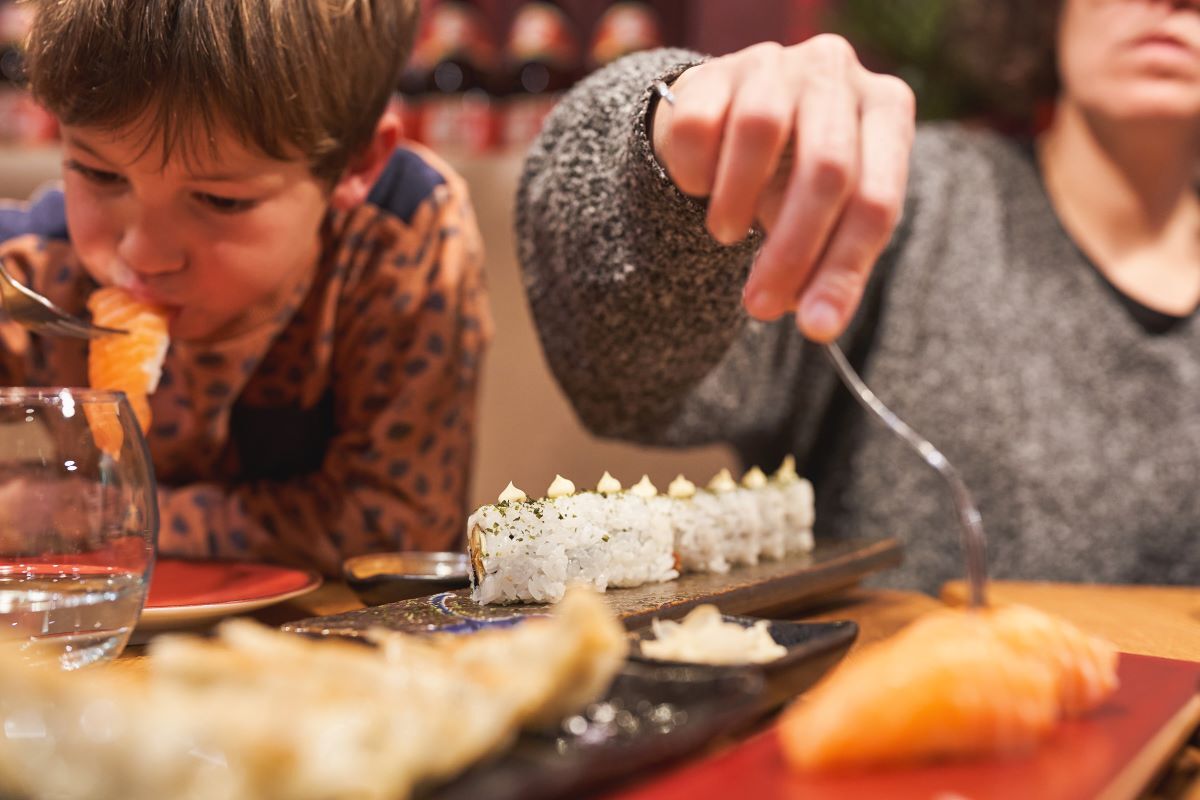
Meanwhile, one or two small companies did survive by being specialists, supplying to restaurants and high-end stores. But such opportunities are limited, and if 180 farms had tried this approach, the market would have been quickly flooded.
For me, it is about diversification by supplying the market with a range of options. Early on, some companies tried diversifying into smoked salmon. But like the market for fresh fish, without market development, supply soon overwhelmed demand, and consequently, such branded smoked salmon disappeared from the markets too.
In more recent times, the low-price model has been broken by companies seeking a stock market listing. Whilst this can in some circumstances be beneficial, with salmon, the investor rather than the consumer has taken priority. Analysts like high prices because they lift the share price, but these high prices result in reduced consumer demand. The only reason they have not impacted the industry is that the market continues to expand, currently in the Far East.
Yet change is on the way. In Norway, the small family farming companies have been protected by the government, but changes in tax, amongst other things, have brought about some farmers selling out to larger operators. This is the cause of major debate in Norway as to how the future Norwegian salmon industry will look in terms of size and ownership.
The question has always been about what sort of industry we really want, but the reality is that commercial influences will dictate that salmon farming is destined to be a large producer of salmon, with just a handful of operators seeking margin through volume production. I believe that the potential is there for almost unlimited production, as long as the sector is led by consumer choice, producing what the consumer wants to eat.
So, sorry Nick, I think that the salmon farming sector was always destined to be in the hands of a few major players. The small farms might survive as long as they seek a totally different market sector from that of mainstream production.
Why not try these links to see what our Fish Farmer AI can tell you.
(Please note this is an experimental service)
You May Also Like






© 2026 Fish Farmer.