





Serious disease alert at cod farm
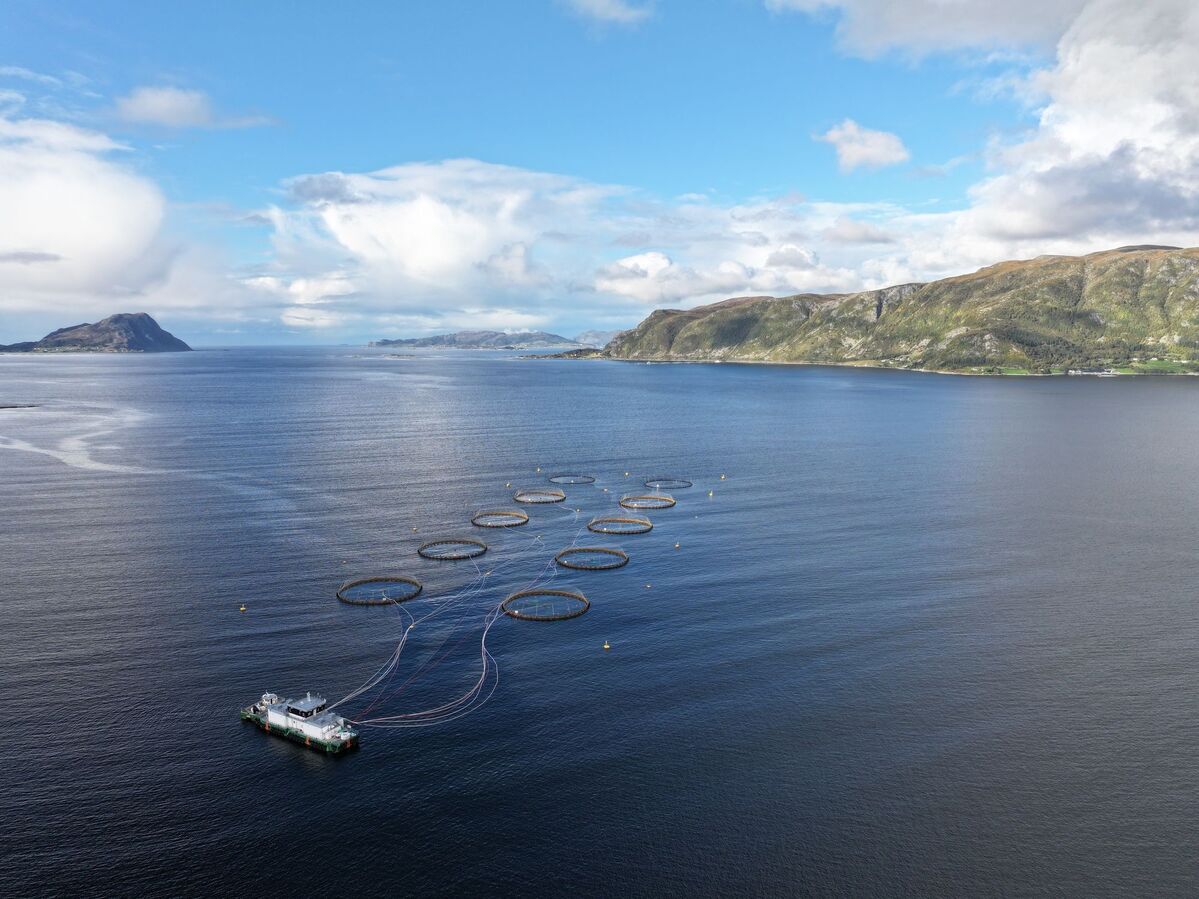
The suspicions centre around a location in Stad municipality in Vestland county, where the cod farmer Ode is engaged in production.
Please Login/register for FREE to continue reading Fish Farmer
Your FREE registration gives you access to all our content: news and feature articles, regular and special guest columnists, Fish Farmer Magazine e-editions, yearbooks, archives, videos and more
or if you are already registered
Use the Login Box Below
(Can't remember your password? Click Here to reset your password
Environmental Field Scientist (Fort William) - Mowi Scotland
Fort William, LochaberSalary On Application
Feed Operations Technician (ROC - Fort William) - Mowi Scotland
Fort William, Lochaber£30,387 to £34,032 per annum
Farm Technician (Kingairloch) - Mowi Scotland
Camasnacroise, Lochaber£28,258 to £31,648 per annum
Biologist - Bakkafrost Scotland Limited
PA31 8TA£38,000 to £42,000 per annum
Environmental Project Manager - Bakkafrost Scotland Limited
Cairndow£50,000 to £58,000 per annum
You May Also Like





© 2026 Fish Farmer.