





New Zealand aims to streamline aquaculture regime
The government of New Zealand has updated national rules for marine aquaculture which it says will make it easier for operators to improve how they farm, adopt new technology and carry out research or trials while maintaining environmental safeguards.


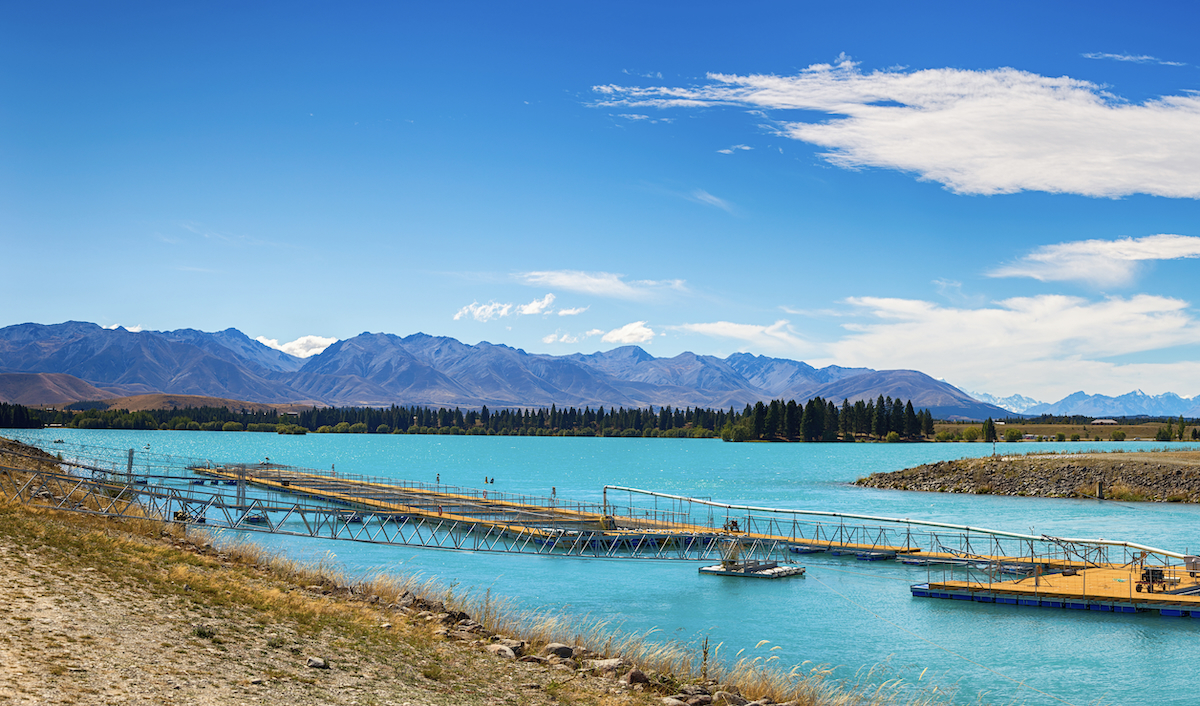
Key changes to the marine aquaculture regulations include:
- Making reconsenting and changes to consent conditions easier and more nationally consistent.
- Making it easier to undertake aquaculture-related research or trials.
- Making it easier to change or cancel consent monitoring conditions, to keep pace with new science and technology.
- Fixing a range of technical issues to improve clarity, consistency and usability of the regulations.
Fisheries Minister Shane Jones said the changes were an important step towards reaching the ambitious goal of NZ $3 billion (£439m) in annual revenue set out in New Zealand’s Aquaculture Development Plan last year.
The plan, launched in March 2025, outlines the key factors identified for industry growth over the next 10 years, including making the most of existing marine farms, growing production through open ocean aquaculture, supporting Māori leadership in the sector through the aquaculture settlement, farming new species and supporting new technology.

“Changes to the National Environmental Standards for Marine Aquaculture will remove unnecessary complexity and cost for aquaculture operators,” RMA Reform Minister Chris Bishop said.
“These changes support marine farmers to refine their operations within existing footprints, trial new approaches and adopt better practices, without lowering the bar for environmental protection.
“The amendments also provide councils with clearer national direction about how certain activities should be assessed, reducing unnecessary variation and uncertainty across the country.”
The aquaculture sector employs more than 3,000 people, provides food for New Zealanders, and generates NZ $650 million (£285m) in exports annually.
Bishop added: “Prior to these changes, marine farmers were required to undergo a complex and difficult consenting process to make even minor changes to their operations. These changes reduce the administrative and financial burden of consenting and reconsenting, and introduce rules that ensure sustainability while allowing for the kind of flexibility and innovation that our economy and communities need.”
When the updated National Environmental Standards for Marine Aquaculture come into effect on 4 June, councils will need to apply the amended rules to new permitted activities and when making decisions on marine aquaculture consents.
“These updates are another step in making the resource management system more workable and proportionate, while still protecting our marine environment,” Bishop said.
Why not try these links to see what our Fish Farmer AI can tell you.
(Please note this is an experimental service)
You May Also Like





© 2026 Fish Farmer.