




Holyrood elections represent an opportunity the aquaculture sector cannot afford to miss, says sustainability expert
The Scottish Parliament election on 7 May could and should be a “watershed moment” for salmon farming according to former regulatory chief and respected sustainability Anne Anderson.


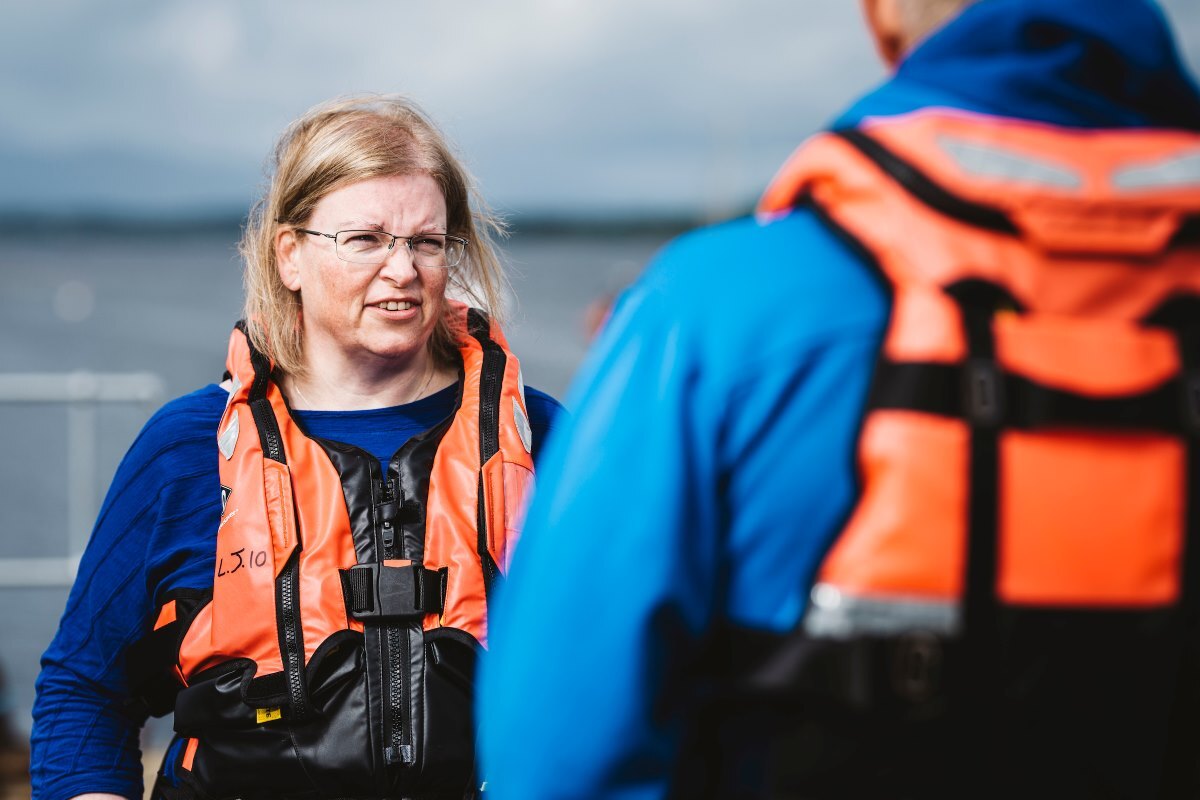
Anderson – previously Chief Officer of the Regulatory portfolio at the Scottish Environment Protection Agency (SEPA) before joining the Scottish salmon sector to introduce its first-ever sustainability charter – believes a new government presents “a must-seize opportunity” to resolve the long-standing issues plaguing the sector.
The breakthrough is needed after almost a decade of scrutiny, review, and incremental reform but with no discernible progress.
Anderson said: “The landmark Parliamentary inquiry into salmon farming in 2018 and subsequent reviews highlight that politicians from all parties recognise how important the sector is to Scotland, particularly its rural communities.
“However, these same reviews also highlight that the original areas of concern remain. Namely, fish welfare, environmental impact, prolonged consultation processes, regulatory delay, and unclear accountability.”
She argues that the election on presents the perfect springboard for change, determining who will govern Scotland in key areas including the economy, rural affairs and environment.
In February 2026, Anne Anderson left her role as Head of Sustainability & Development with salmon producer Scottish Sea Farms to launch specialist consultancy TirMara Advisory.
Anderson said: “What better legacy to the time and focus invested in salmon farming by previous and current governments than for the new administration to pick up the mantle and translate the insights amassed into practical solutions to the realities faced.”
She also called for a more collaborative approach: “As wider world events show, digging deeper into entrenched views only exacerbates matters. It’s time to relinquish the old ways of doing and thinking and move forward in a manner that’s as inclusive and respectful of all interests as it is informed by robust science.”
Updates to existing regulation won’t cut it, she said, citing the example of the recent extension of Scottish marine planning zones from three to 12 nautical miles.
“Yes, the extension widens the geography within which companies are permitted to farm to include deeper-water sites. But without embracing the new technologies and innovations available, it leaves the system itself unchanged, which simply drags long-standing issues further out to sea.
“What’s needed is a fit-for-purpose, integrated approach to regulating high-intensity food production, with clear accountability and governance – possibly even in the form of a new, dedicated Aquaculture Bill… who better to lead the charge than a new government with a five-year term ahead of it. It’s genuinely exciting to think of the progress that could be made together in each of the priority areas – and more – by 2031.”
Why not try these links to see what our Fish Farmer AI can tell you.
(Please note this is an experimental service)
You May Also Like







© 2026 Fish Farmer.