




Hiddenfjord celebrates five years since giving up air freight
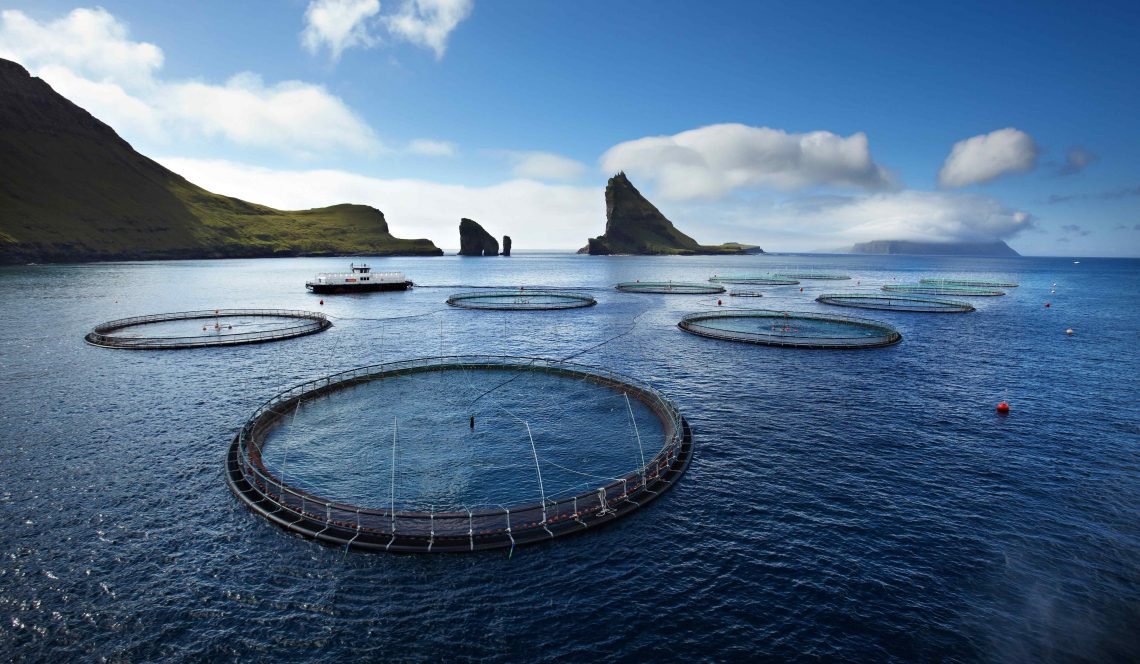
The Faroe Islands salmon farming company Hiddenfjord, is today celebrating five years since it stopped using air transport to exports its fish.


The move has led to some surprising results.
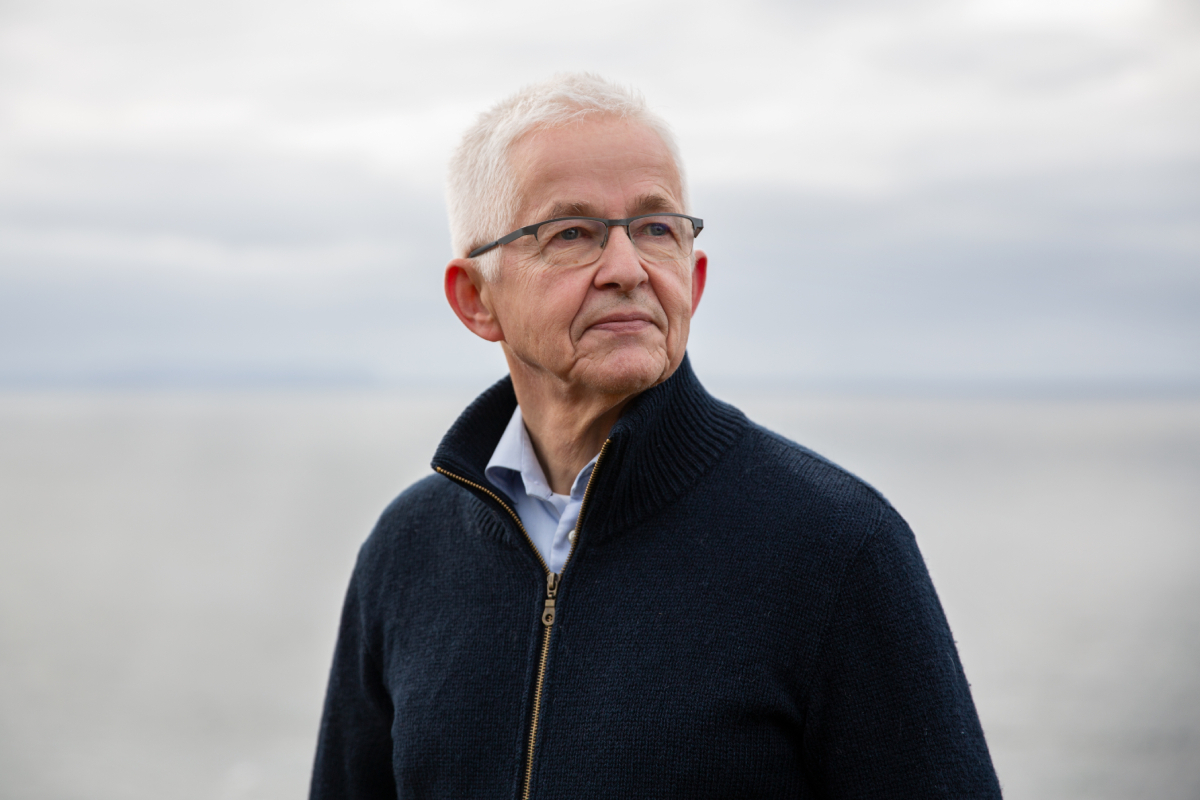
When CEO Atli Gregersen made the announcement in 2020 many in the business were sceptical. In fact it turned out to be a bold decision that has seen the company’s share of the key US market growing.
Air freight was considered essential for reaching key markets in the USA and Asia, where customers demand the freshest fish. But for Hiddenfjord, the environmental cost was simply too high.
Gregersen said: ”We felt a moral obligation to reduce our CO₂ emissions as most of the emissions in salmon farming and distribution come from air transport.
“For us, it was crystal clear that the right thing to do was to stop transporting by air entirely. This pressure we placed on ourselves has driven us to produce an even better product with improved quality and shelf life.”
He credits part of the inspiration to an unlikely source – Bob Geldof, the Irish pop singer behind the huge Live Aid movement in the 1980s.
“Geldof who came to the Faroe Islands in September 2019 challenged us to move beyond endless contemplation and take a clear stand,” Gregersen recalls.
“He said that once a decision is made, it becomes much easier to focus on implementation. That’s when we moved from thought to action.”
A date was set when it would stop using aircraft – 10 October 2020.
Transportation represents the largest share of CO₂ emissions in salmon production. By switching from air to sea freight for the U.S. market, Hiddenfjord’s emissions per kilo of gutted salmon (including packaging) dropped from 7.1 kg CO₂ to just 0.35 kg CO₂ - a dramatic reduction that has been maintained ever since.
The company also stopped freighting fresh salmon to Asia, even though that is a market where buyers often pay premium prices for the pink fish.
The CO₂ savings over the past five years have been remarkable – representing half of all the annual emissions on the entire Faroe Islands.
The major challenge was how to deliver top-quality fresh salmon to markets previously served only by air freight. US customers - including high-end restaurants - needed to be convinced that Hiddenfjord salmon shipped by sea could match customers’ expectations and demand.
It was not easy at first, the company stresses. Hiddenfjord invested heavily in improving harvesting, handling, cleaning, and temperature control, ensuring that the salmon maintained its superior freshness throughout the longer journey.
“We optimised every step, from harvest to packaging and transport,” said Gregersen. Today, our salmon actually has better quality and shelf life than when it was flown to market five years ago.”
Working closely with logistics partners, Hiddenfjord has now ensured an unbroken cold chain from the Faroe Islands to US restaurants - something that wasn’t possible with air transport.
Customers too say they are happy.
“The quality is absolutely fantastic. Exceptional,” said Robert Amar, owner of Small World Seafood in Philadelphia. “I’ve handled salmon from all over the world, and my customers love Hiddenfjord salmon.”
The share of Hiddenfjord’s total production shipped to the US has grown to 40%, and it has become a recognised premium brand featured by leading restaurants, the company said.
Why not try these links to see what our Fish Farmer AI can tell you.
(Please note this is an experimental service)
You May Also Like



© 2026 Fish Farmer.