Producers certified to the Global Seafood Alliance’s (GSA) Best Aquaculture Practices (BAP) and Best Seafood Practices (BSP) standards made significant improvements across their operations in 2025, with a total of 7,808 improvements made.
Total certified production at the plant level at the end of 2025 was more than 3.2 million metric tons.

To achieve certification, producers must correct any non-conformities identified during the third-party audit – a requirement that translated into 7,808 documented improvements made across processing plants, farms, hatcheries and feed mills in 2025. These included 2,523 improvements in food safety, 2,542 in social accountability, 1,950 in environmental responsibility, 505 in animal welfare, and 288 in traceability.
GSA certification programmes grew three per cent last year, ending 2025 with a total of 4,308 producers in 45 countries.
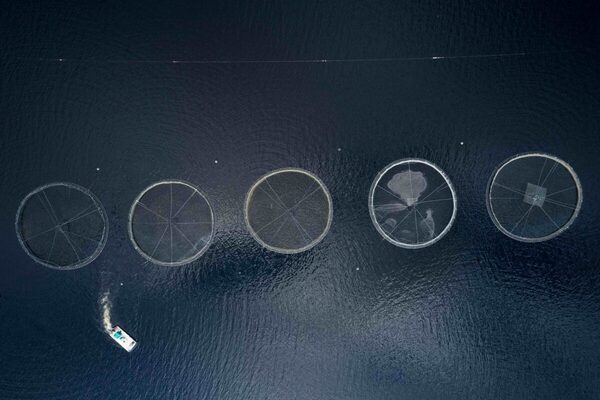
Of the total 4,308 producers, 563 are processing plants (including farmed and wild capture), 3,223 are farms (including fallow), 364 are hatcheries, and 158 are feed mills. More than 200 retail and food service companies around the world have also committed to sourcing seafood from BAP-certified producers, underscoring strong marketplace support for third-party certification.
The overall retention rate for the BAP programme was 86 per cent. In addition, GSA ended the year with 16 certified vessels.
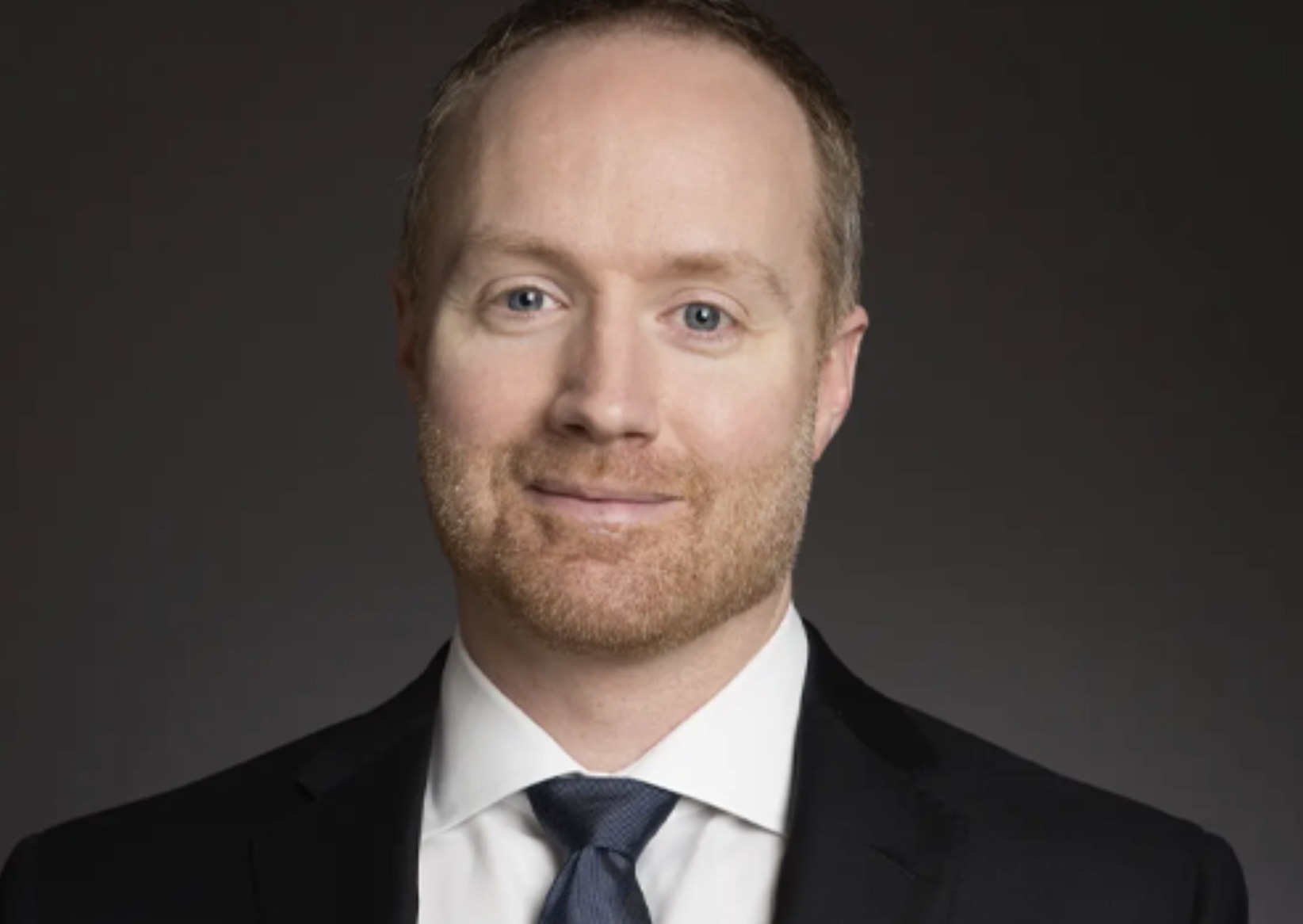
CEO of the GSA, Mike Kocsis, said: “The nearly 8,000 improvements made across BAP- and BSP- certified facilities in 2025 are a powerful reflection of our industry’s commitment to continuous improvement.
“We are grateful to the producers and our partners worldwide who embrace third-party certification as a pathway to progress, and are proud of the GSA team whose dedication helps advance responsible seafood practices globally.”
2025 entailed several milestones for GSA, including Profand Vessels becoming the first in Argentina to attain BSP certification for their vessels, Harimanada Co., Ltd. becoming the world’s first BAP-certified oyster producer in Japan, Yumbah Aquaculture becoming the world’s first BAP-certified oyster producer in Australia, GSA announcing that it will end eyestalk ablation for BAP-certified producers by the end of 2030, and the release of global market research, conducted by GlobeScan, to understand purchasing decisions related to seafood and certification labels.
The Global Seafood Alliance is an international, non-profit trade association dedicated to advancing responsible seafood practices through education, advocacy and third-party assurances. Through the development of its Best Aquaculture Practices and Best Seafood Practices certification programmes, GSA has become the leading provider of assurances for wild and farmed seafood globally.
Why not try these links to see what our Fish Farmer AI can tell you.
(Please note this is an experimental service)