




Fish Farm Challenge tests industry’s ability to do without marine ingredients in feed
Three aquaculture businesses from Japan, the US and China will compete in the first phase of the F3 Fish Farm Challenge, a competition that aims to show that carnivorous fish can be raised on feeds free of marine-animal ingredients.


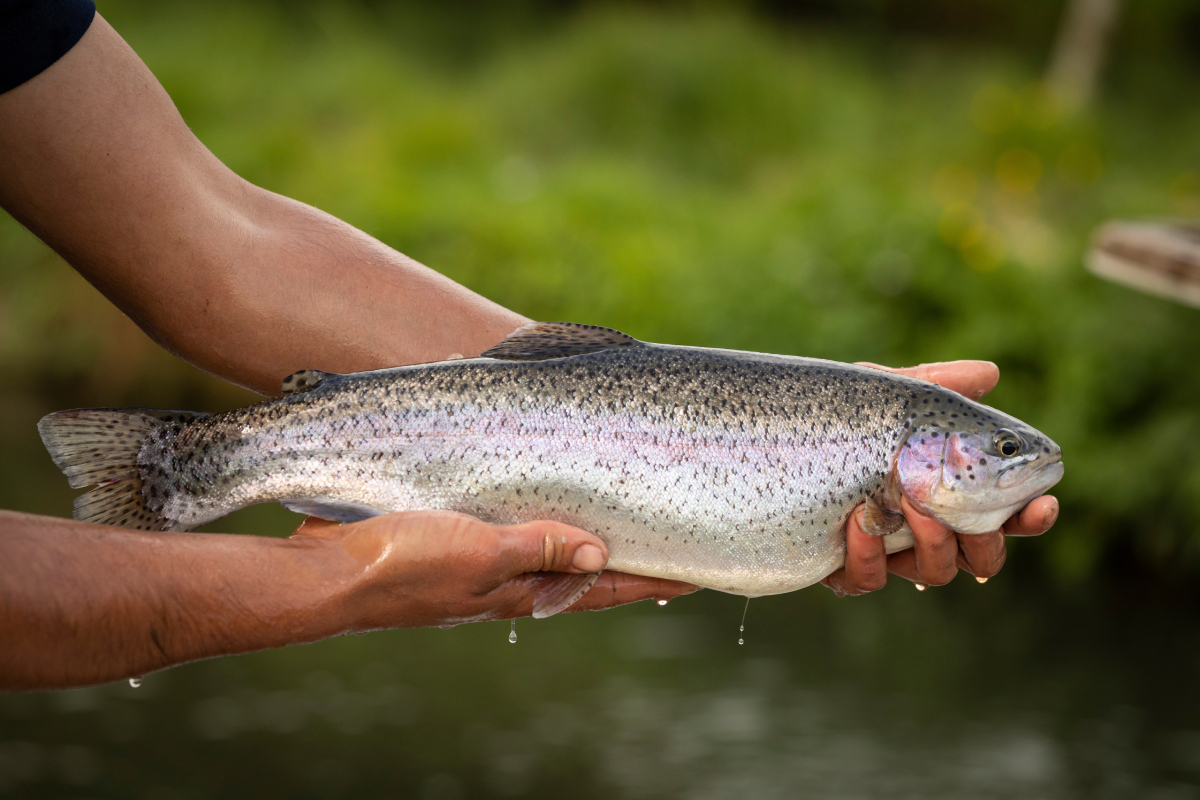
The Challenge is hosted by not-for-profit organisation F3 - Future of Fish Feed, and will feature three species: red sea bream, rainbow trout, and largemouth bass.
Kevin Fitzsimmons, chair of F3 - Future of Fish Feed and Professor at the University of Arizona, said: “We are excited for a competitive race from this first cohort of aquaculture producers.
“These farmers are proof that some of the world’s most sought-after fish can be commercially raised on 100% fish-free feed, demonstrating that investing in feed innovation now can build a more resilient path forward for the industry.”
The US $90,000 (£66,880) grand prize will be awarded to the farm that sells the most eligible fish by weight during the 11-month sales competition, which showcases aquaculture producers commercially raising carnivorous finfish on feeds made entirely without marine-animal ingredients.
Participants in the F3 Challenge two-year contest track include:
- Japan-based Dainichi Corporation. Founded in 1982 and based in Uwajima, Ehime, Dainichi specialises in fish feed development, fish farming, exporting to over 20 countries. It will participate in the F3 contest with its Aquaculture Stewardship Council- and Marine Eco-Label Japan-certified red seabream (Pagrus major).
- US-based McFarland Springs Trout. Founded in 1984, McFarland Springs Trout raises the native Eagle Lake rainbow trout (Oncorhynchus mykiss) on a 100% vegetarian, non-GMO plant-based diet on its hydro-electric powered farm at the headwaters of California’s Susan River.
- China-based Zhang Yi Farm. Founded in 2022 and located in Jiangsu Province, Zhang Yi Farm is a family-owned, multi-generational sustainable fish farm producing largemouth bass (Micropterus salmoides). The farm is partnered with China-based, previous F3 Challenge winner Jiangsu Fuhai Biotech, which produces its Fatide® feed product from dehulled full-fat soybean fermented by microbes and enzymes.
Weaning the industry off marine ingredients
F3 said: “Aquaculture has emerged as one of the world’s fastest-growing food production sectors, supplying more than half of all seafood consumed globally and nearly one-fifth of all animal-sourced protein. Yet many of the world’s most popular farmed seafood species still rely heavily on feeds made with wild-caught marine ingredients such as fishmeal, fish oil, and krill.
“As global demand for seafood continues to rise, that dependence could become a major constraint on the industry’s future growth. A recent study published in Nature Food found that despite significant advances in the efficient use of fishmeal and fish oil, aquaculture will still require an additional 1.8 million metric tons of alternative feed ingredients annually to sustain production under future supply constraints.”
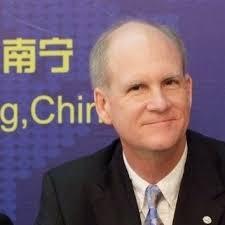
The analysis, led by Xiamen University Professor and F3 Challenge Judge Ling Cao also found that climate change and tighter fishery management measures, such as those seen during El Niño events, could reduce global forage fish catches by up to nearly 20%. These declines in a critical feed input sourced from wild fisheries, could potentially lead to a 35% decline in fed aquaculture production — and reductions of more than 70% for some high-value farmed species — if alternative feed ingredients are not scaled.
The F3 Challenge supports the development and adoption of nutritionally equivalent alternatives to fishmeal, fish oil, and krill to help build a more resilient and diversified aquaculture industry. Expanding the use of alternative ingredients can also reduce pressure on wild fisheries while strengthening food security and environmental sustainability across the seafood sector.
The F3 Fish Farm Challenge features two contest tracks, with registration for the four-year track open through April 30, 2028. This second phase of the F3 Fish Farm Challenge rewards aquaculture producers embarking on new feed and farming innovations, and those raising slower-growing carnivorous species.
Why not try these links to see what our Fish Farmer AI can tell you.
(Please note this is an experimental service)
You May Also Like





© 2026 Fish Farmer.