





Probiotics in aquaculture
Aquaculture plays a growing role in global food systems, providing a significant share of the animal protein worldwide. Improving feed efficiency and reducing environmental impact remain the most persistent challenges in this industry.


A pivotal focus of recent research is the use of probiotics: beneficial microbes that enhance host health and nutrient utilisation when incorporated into feed or water environments as a preventive and complementary strategy.
Probiotic use in aquaculture is not a new idea, but recent comprehensive evaluations of the field highlight both its potential and its limitations. Studies synthesising large bodies of evidence conclude that probiotics can influence digestive performance, disease resistance, gut microbiota balance and environmental health.
A recent review in Annals of Microbiology titled “A comprehensive overview of probiotics in aquaculture: from efficacy evaluation to diverse applications” discusses the role of probiotics in aquaculture as a sustainable tool for improving fish health and production efficiency, especially considering increasing challenges such as antibiotic dependence and deteriorating water quality in intensive aquaculture systems.
The paper reviews the criteria for selecting and evaluating probiotic strains, including biosafety, survival in the fish digestive system, resistance to environmental conditions, and their effectiveness in inhibiting pathogens.
Conversely, the review highlights several practical challenges, including the lack of standardised dosing and application protocols, as well as the variability in response among different fish species and production systems. The paper concludes that probiotics represent a promising tool for supporting the sustainability of aquaculture, but maximising their benefits requires further large-scale applied studies to standardise evaluation methods and commercial use.
A promising probiotic strain
Building on this broader evaluation, the same research team, consisting of Professor Radi Ali, Dr Bahaa Abdella and Nermeen Shokrak from the Faculty of Aquatic and Fisheries Sciences, Kafrelsheikh University, Egypt, moved from outlining ideal probiotic traits to identifying a specific bacterial strain that could meet these requirements in practice.
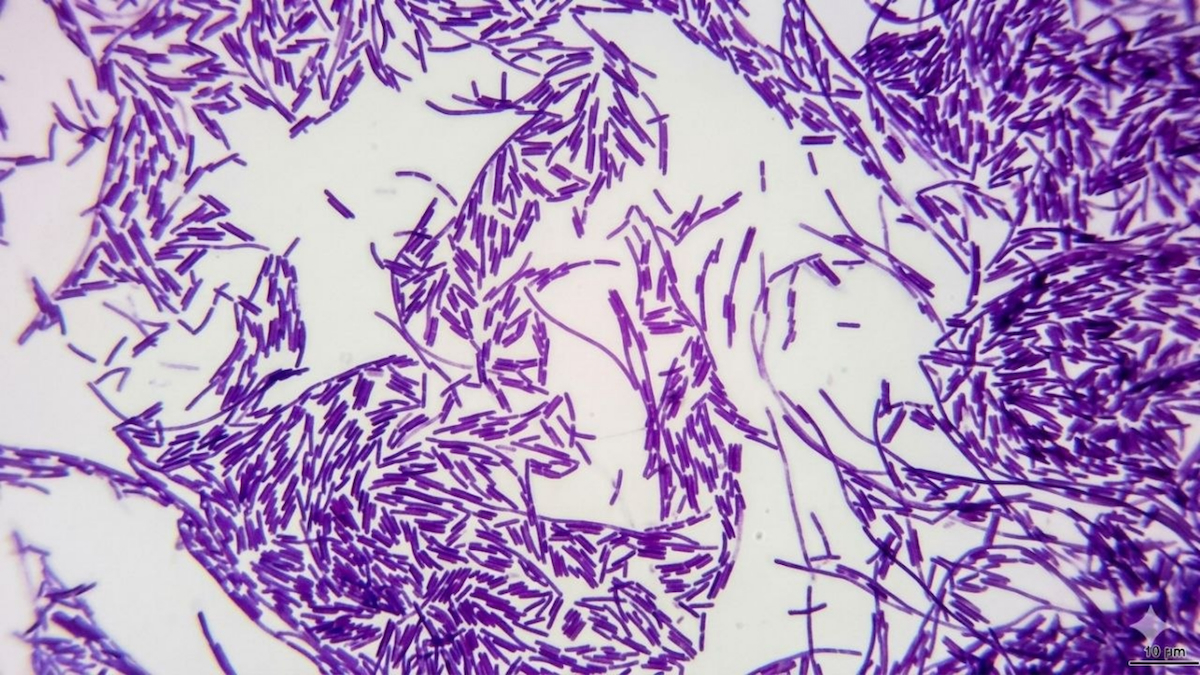
In a study published in Scientific Reports titled “Isolation, characterization, and assessment of Bacillus rugosus potential as a new probiotic for aquaculture applications”, the researchers isolated a novel strain of Bacillus rugosus NM007 and evaluated its suitability as a probiotic for aquaculture.
Rugosus NM007 exhibited several characteristics that support its potential application as a probiotic in aquaculture. It showed digestive support through the production of extracellular enzymes, including protease, amylase, and lipase, which enhance the breakdown of dietary components and improve nutrient absorption. The strain also showed high capacity for gastrointestinal conditions, as it tolerated acidic pH, 4% bile salts concentration, and salinity up to 60 ppt, indicating its ability to persist through the fish digestive tract. Preliminary safety assessments in Nile tilapia (Oreochromis niloticus) indicated no adverse clinical effects, supporting its suitability for in vivo application. In addition, NM007 displayed auto-aggregation and cell surface hydrophobicity, the ability of bacterial cells to interact with and adhere to hydrophobic surfaces such as intestinal mucus, which enhances colonisation and persistence in the host gut. The starin was also susceptible to common antibiotics, indicating a potential probiotic candidate for aquaculture practices.
Subsequently, the same team conducted a trial on Nile tilapia to test the B. rugosus NM007 strain, as reported in the study titled “Assessing the effect of Bacillus rugosus NM007 as a novel probiotic strain on growth performance, hemato-biochemical profile, immune response, digestive enzymes and intestinal histomorphology of Nile tilapia (Oreochromis niloticus)” which was published in the World Journal of Microbiology and Biotechnology.
Tilapia fed diets with the probiotic showed faster growth, better feed conversion, and improved gut health compared to a control group. The optimal dose, 0.2 g/kg feed, delivered the best results, enhancing nutrient absorption and digestive enzyme activity.
Probiotic-treated fish also had stronger immunity, healthier blood profiles and higher antioxidant levels, indicating improved overall health and resilience. Histological analysis revealed longer, thicker intestinal villi which are microscopic projections lining the intestine, which increase surface area for nutrient absorption and play a key role in gut health and immune defence, supporting nutrient uptake and local immune defence.
These results suggest that Bacillus rugosus NM007 is a practical, sustainable tool for tilapia farmers, boosting performance and health without antibiotics, making probiotics a key component of modern aquaculture management.
From research to application
This research exemplifies how broad conceptual reviews of probiotic efficacy can translate into targeted strain development. The work of Dr Abdella’s team illustrates a logical progression from understanding the general benefits and challenges of probiotics in aquaculture to isolating a specific microbe with traits that align with industry needs.
Probiotics represent a promising strategy to enhance fish health and support sustainable aquaculture, but further large-scale trials under commercial culture conditions are needed to standardise applications across species and systems, as researchers worldwide continue bridging the gap between academic research and practical aquaculture solutions.
For producers, probiotics may soon become more predictable and reliable tools for improving fish performance, reducing feed waste, and supporting sustainable farming practices.
Yomna Elshamy is a master’s researcher in aquaculture, at Kafrelsheikh University, Egypt, specialising in fish nutrition. Her current research focuses on alternative protein sources for aquafeed in Egypt, with a particular emphasis on cost-effective and environmentally sustainable solutions.
References
Elsegeny, S. R., Radwan, F. S., Elshamy, Y. M., Amer, S. M., Mohamed, R. A., Shokrak, N. M., & Abdella, B. (2025). A comprehensive overview of probiotics in aquaculture: from efficacy evaluation to diverse applications. Annals of Microbiology, 75(1), 35. doi.org/10.1186/s13213-025-01825-7
Shokrak, N. M., Bakr, B. A., Tawfik, S., Mohamed, R. A., & Abdella, B. (2026). Assessing the effect of Bacillus rugosus NM007 as a novel probiotic strain on growth performance, hemato-biochemical profile, immune response, digestive enzymes and intestinal histomorphology of Nile tilapia (Oreochromis niloticus). World Journal of Microbiology and Biotechnology, 42(3), 94. doi.org/10.1007/s11274-025-04742-8
Shokrak, N. M., Khairi, N., Hazrin-Chong, N. H., Mohamed, R. A., & Abdella, B. (2024). Isolation, characterization, and assessment of Bacillus rugosus potential as a new probiotic for aquaculture applications. Scientific Reports, 14(1), 25019. doi.org/10.1038/s41598-024-74534-x
Why not try these links to see what our Fish Farmer AI can tell you.
(Please note this is an experimental service)
You May Also Like







© 2026 Fish Farmer.