




Iceland seafood industry issues EU vote warning
As Icelanders prepare to go to the polls tomorrow over the European Union, SFS, the country’s main seafood group representing both aquaculture and fishing, has warned that membership could cost jobs in the country.


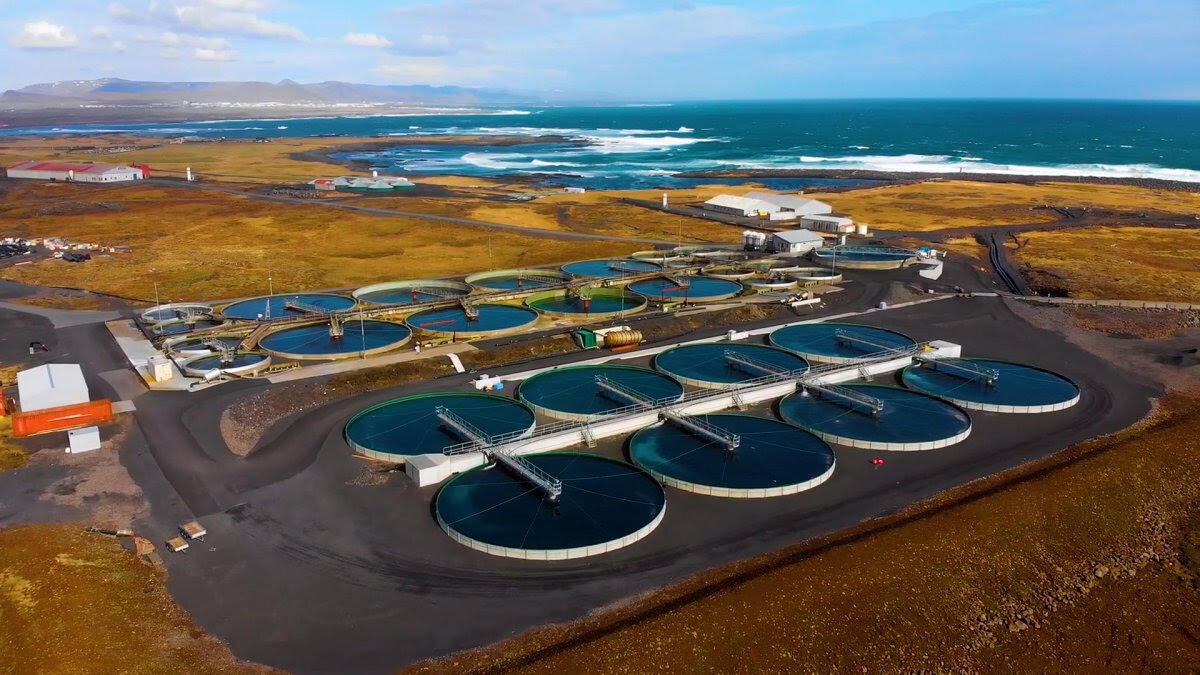
Samherji Iceland fish farm scene
Tomorrow’s poll is not an “in-out” vote, but whether the country should resume negotiations on membership.
If tomorrow’s vote delivers a “yes” verdict further talks and a further referendum will have to take place. Polls suggest tomorrow’s vote will be close.
SFS said : “EU membership could reduce Iceland’s catch quotas, open up foreign ownership and change the competitive position vis-à-vis subsidised fisheries within the EU.
Before a vote is taken on whether to continue accession negotiations, it is therefore necessary to know what impact such changes could have on export earnings, value creation, jobs and communities across the country.”
The statement added: “The fisheries sector is one of Iceland’s most important industries, weighing much more heavily on the economy than in other European countries.
“Its impact extends far beyond fishing, generating significant export revenues, supporting a variety of jobs across the country, and delivering significant income to society.
“This benefit is based on the sustainable exploitation of fish stocks and the structure of the fisheries sector in Iceland with an integrated value chain of fishing, processing and sales.”
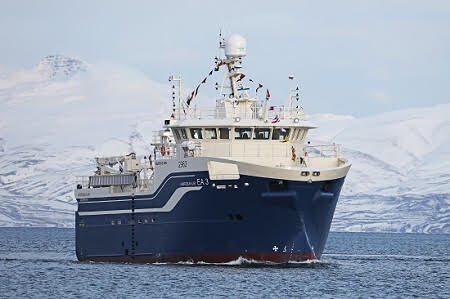
Samherji trawler
SFS said seafood accounts for many times more of Iceland’s export earnings than other European countries Their share of merchandise exports in Iceland is around 40%, compared to around 6% in Norway, where it is the second highest. The share was is even lower in EU countries.”
The estimated total contribution of the seafood sector to gross domestic product was around 15% in 2022.
The contribution is divided into a direct contribution from fishing, aquaculture and fish processing, which amounted to 7%, and an indirect contribution from related activities in services and industry, which amounted to 8%.
Indirect impacts include companies that provide the industry with technology, equipment, inputs, transportation, maintenance and expert services, but also those that create value from seafood by-products
Why not try these links to see what our Fish Farmer AI can tell you.
(Please note this is an experimental service)
Assistant Technician - Mowi Scotland
RosythSalary On Application
Farm Technician (Braevallich) - Mowi Scotland
Dalmally, Argyll & Bute£29,389 to £32,914 per annum
Electrician or approved electrician - GroAqua
Fort WilliamSalary On Application
Technical support engineer - GroAqua
Fort WilliamSalary On Application
Technical Sales Engineer - GroAqua
InvernessSalary On Application
You May Also Like



© 2026 Fish Farmer.