




Seaweed conference: Working together
The Scottish Seaweed Industry Association (SSIA) conference opened in Oban last month with the news that the organisation is to change its name – to Seaweed Scotland.


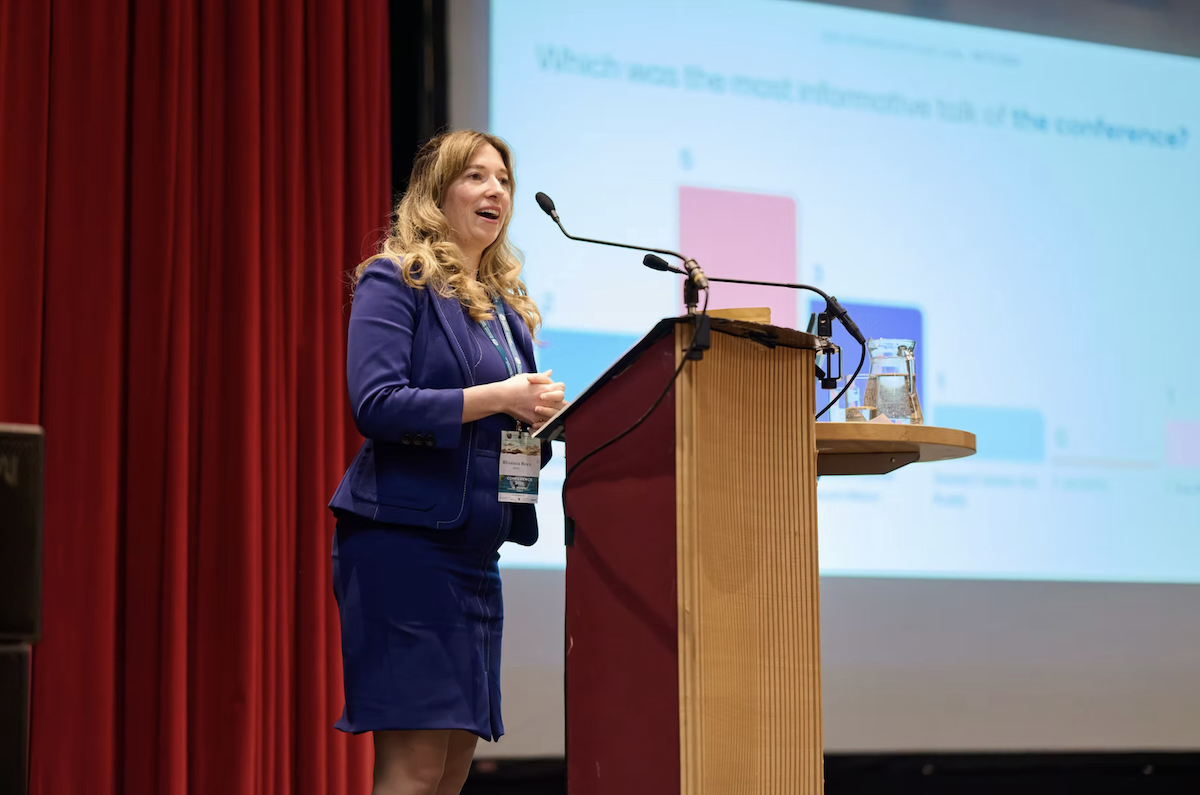
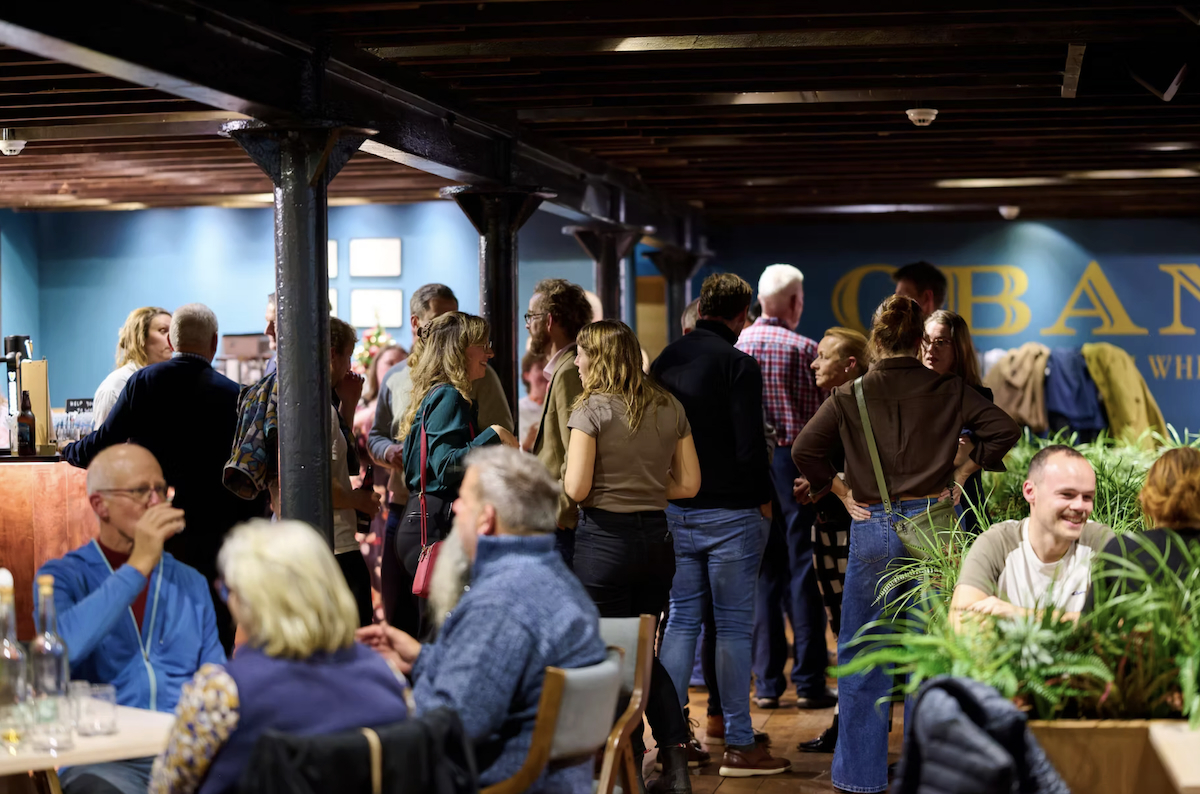
The conference took place over 12 and 13 November at the Corran Halls, bringing together seaweed producers, academics and suppliers to the industry from Scotland, the rest of the UK and overseas.
The theme of the event this year was “Building a Connected Seaweed Sector”.
SSIA CEO Rhianna Rees said in her opening address that it had been a challenging year for the seaweed industry in Scotland. Many producers had been forced to spend money to diversify and the supply chain was bedevilled by the difficulty in creating processing facilities at a time when production volume is still quite limited.
Nonetheless she was confident that seaweed, with its many applications, has a bright future.
Rees also confirmed that the SSIA is set to change its name to “Seaweed Scotland” and is also in talks to develop a UK-wide body to enable seaweed producers across the United Kingdom to work more closely together and lobby on issues of mutual interest.
The change of name parallels that of the salmon industry trade body, which rebranded a few years ago from the Scottish Salmon Producers Organisation to Salmon Scotland.
It was also announced that Seaweed Scotland is to publish a code of practice for its members, going beyond legislative requirements, to set out the standards the sector works to.
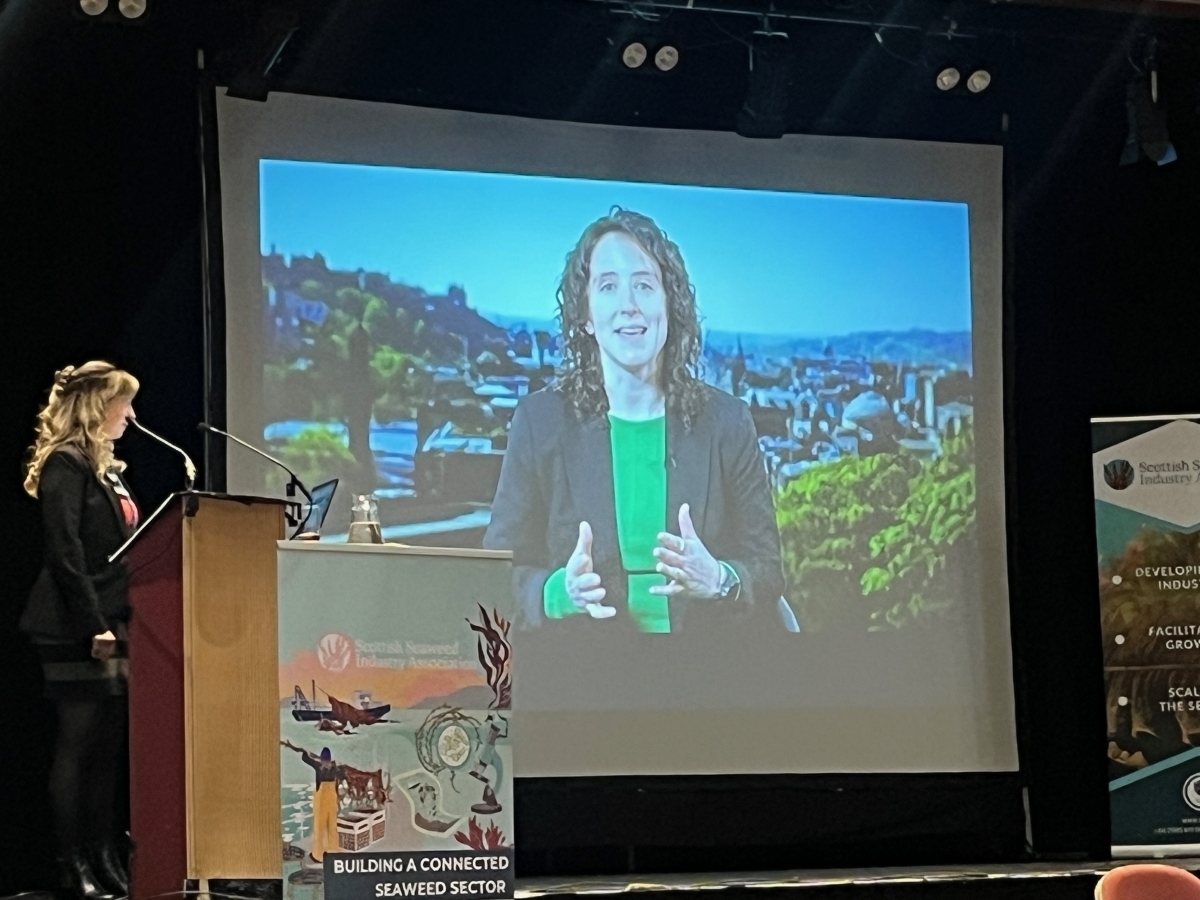
Also at the conference Mairi Gougeon, Cabinet Secretary for Rural Affairs, Land Reform and Islands in the Scottish Government, gave an address by video warmly supporting the industry and expressing confidence that seaweed would become a key part of Scotland’s marine economy.
The minister also confirmed that nearly £50,000 in funding had been allocated in the latest Marine Fund Scotland round of grants to help Seaweed Scotland to create a framework for the sector.
Of the pledged £14 million through the Marine Fund Scotland Grant, three seaweed projects were funded.
Eco Cascade CIC won £120,247 for its project “Performance of salmon fed a prebiotic farmed kelp co-product” where it aims to investigate the cost/benefit of processing of “press cake”, and the willingness of the market to pay for this as a prebiotic ingredient.
Edinburgh Napier University won £441,635 for the project “Blue Cast – A Toolkit for Economic Enhancement & Environmental Protection” where the university will develop a tool kit to quantify and assess beach-cast seaweed to facilitate improved environmental assessment and support emerging marine biotechnology industries.
The Scottish Seaweed Industry Association itself was awarded £49,563 for the project “Seaweed Food Safety Standards for Scotland”. The association will produce industry-agreed testing guidance and species-specific specification sheets which will be openly available to all producers and processors, delivering long-term benefits.
MFS granted awards to 60 projects across Scotland, with grants ranging from £1,500 to £1.7 million. The focus: innovation, community resilience, energy reduction and marine careers.
Rhianna Rees said after the conference: “This funding signals confidence in seaweed as part of the blue economy: scaling responsibly, building buyer trust and creating sustainable supply chains.”
A view from Denmark
The keynote speaker for the first day was Susan Løvstad Holdt, Associate Professor at the National Food Institute, Technical University of Denmark (DTU). She leads research on seaweed composition, bioactive compounds, processing and food safety.
She is Vice-President of the International Seaweed Association and chairs the Danish Seaweed Network, which has more than 540 members.
Professor Holdt said that as a relatively new sector – for European countries, at least – seaweed faces challenges particularly when it comes to regulation and licensing.
For example, should seaweed be classed as a seafood or a vegetable? How can we ensure that the measurement of, say, protein content is standardised so that we can compare like with like? Seaweed is strong in iodine, which we need in our diet, but how much iodine is too much?
She stressed: “We need to work together on this.”
And to make that happen, more data is required.
It is also important, she said, to ensure than when seaweed industry people are talking to politicians that they frame their explanations in language that the policymakers can understand and relate to. “We must understand what it is they want to hear,” she added.
Overall she was optimistic for the future and she concluded: “With collaboration, I think we can get there.”
Lessons from the US
Earlier this year a delegation from the SSIA/Seaweed Scotland visited the US states of Alaska and Maine, to see what practical insights could be gained from looking at what seaweed producers are doing on America’s Pacific and Atlantic coasts.
Leigh Eisler of South West Mull & Iona Development, Rob Grisenthwaite of SAMS and Eco Cascade’s Jemima Coper gave a joint presentation on the findings.
One key takeaway was: “Everything is bigger in Alaska”!
Another was the can-do culture that finds ways around problems, for example repurposing old shipping containers as seaweed nurseries.
In Maine too, the processing operation run by Ocean’s Balance, a leading manufacturer of seaweed products, was helping seaweed producers find a market for their crop.
Colder waters, especially in Alaska, are an advantage as they mean less biofouling, but predators and drifting ice floes are a problem.
Collaboration models
Working together was a key theme of the conference. Joanne Elston of Co-operate Scotland explained the dynamics of setting up a co-operative, while Patricia Rojas Bonzi of the Scottish Agricultural Organisations Society (SAOS) talked about how collaboration works in land-based agriculture.
Donna Fordyce of Seafood Scotland talked about the Scottish Ocean Cluster, which is looking to gain more value from “waste” in seafood processing, and Melanie Siggs of the Global Seafood Alliance (also the keynote speaker for day 2) explained how a “pre-cooperative” model or cluster can be the precursor to a fully organised co-op.
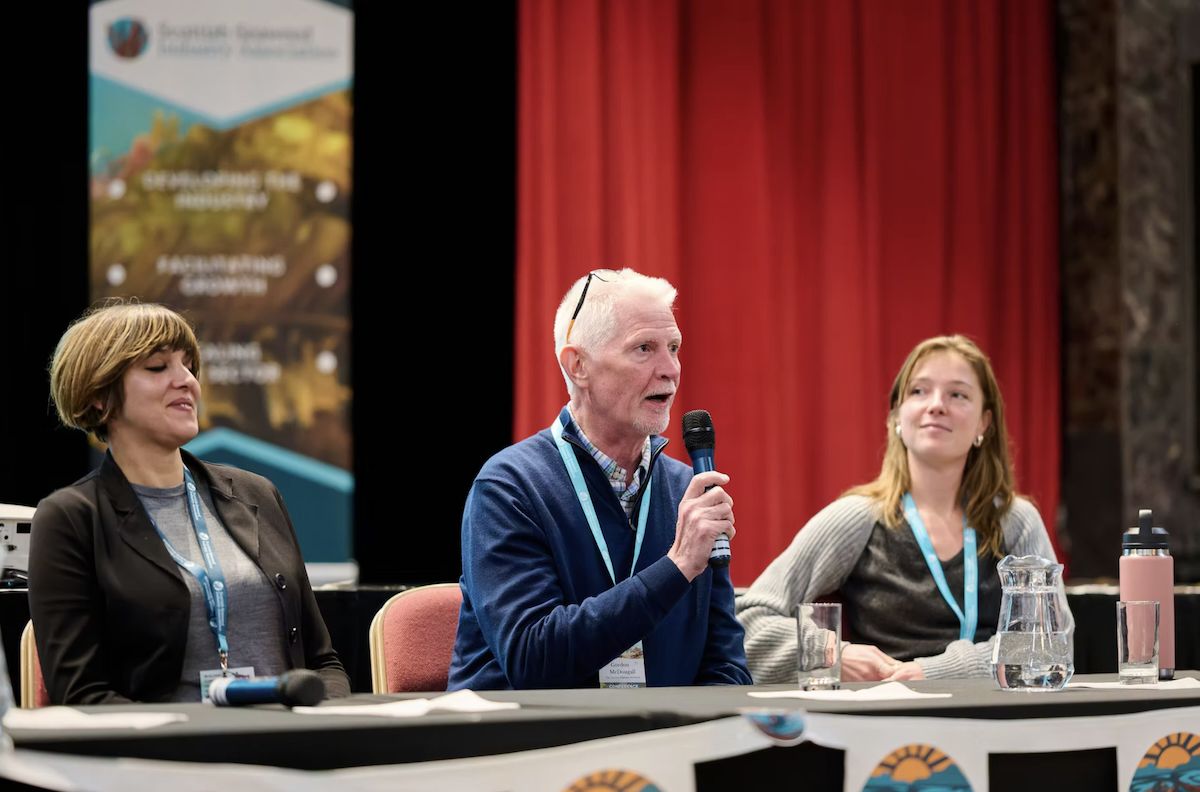
Collaboration between academia and industry was also a theme. The conference heard from, among others, Sofie Spatharis of the University of Glasgow, a marine ecologist who is modelling biofouling to predict optimal harvest times, and Gordon McDougall of the James Hutton Institute, who described a joint project that has established that kelp extract can be a powerful biostimulant for barley crops.
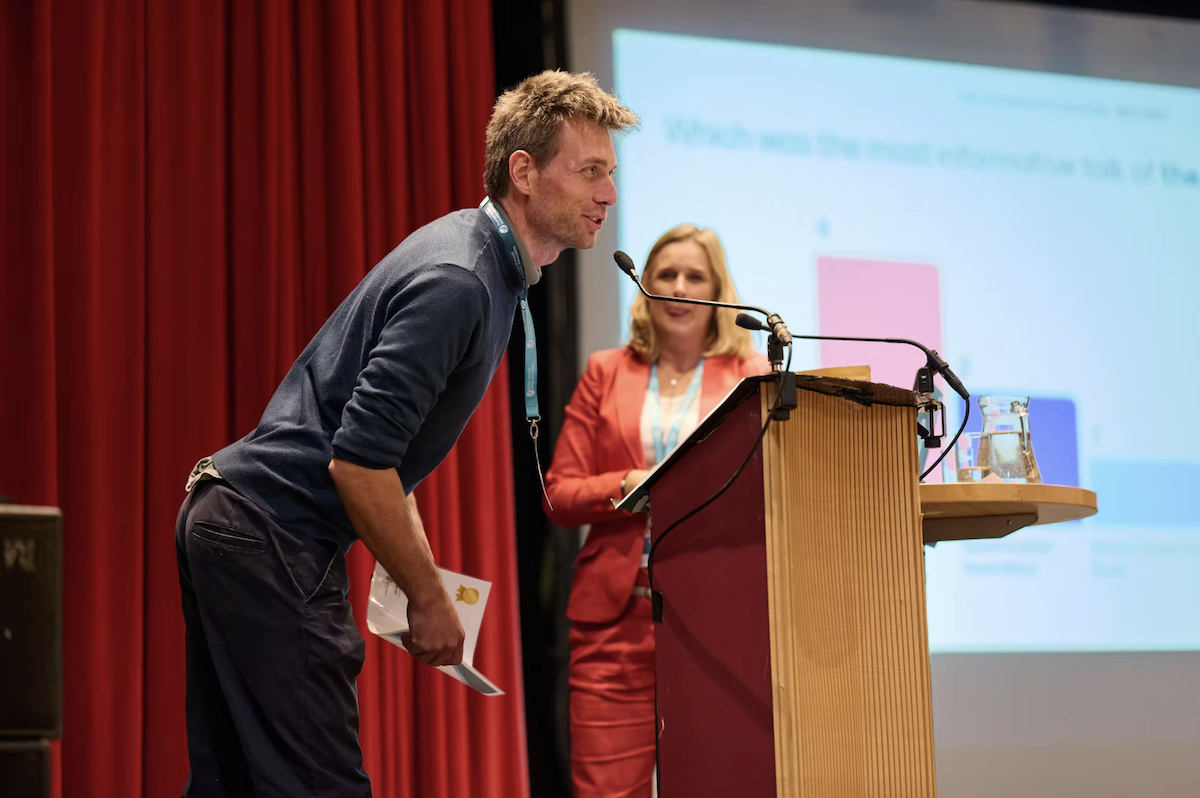
Reina Veenhof of SAMS (who was voted “most interesting speaker”) talked about how SAMS is looking to “climate-proof” Scotland’s seaweed stock through genetic selection; Chiara Boni of the University of Aberdeen described research into the nutrient content of seaweed and how it is affected by fermentation; and David Aldridge of SINTEF Ocean in Norway described how the industry in Norway is looking to build up its infrastructure and is exploring working with the salmon sector to use seaweed cultivation to reduce the excess nutrients around fish farms.
The first day concluded with the traditional conference dinner at the Fishouse Restaurant, Oban, including Isle of Harris gin which uses sugar kelp among its botanicals. The meal was accompanied by musical entertainment from a local Gaelic choir.
Breakfast with WiSA
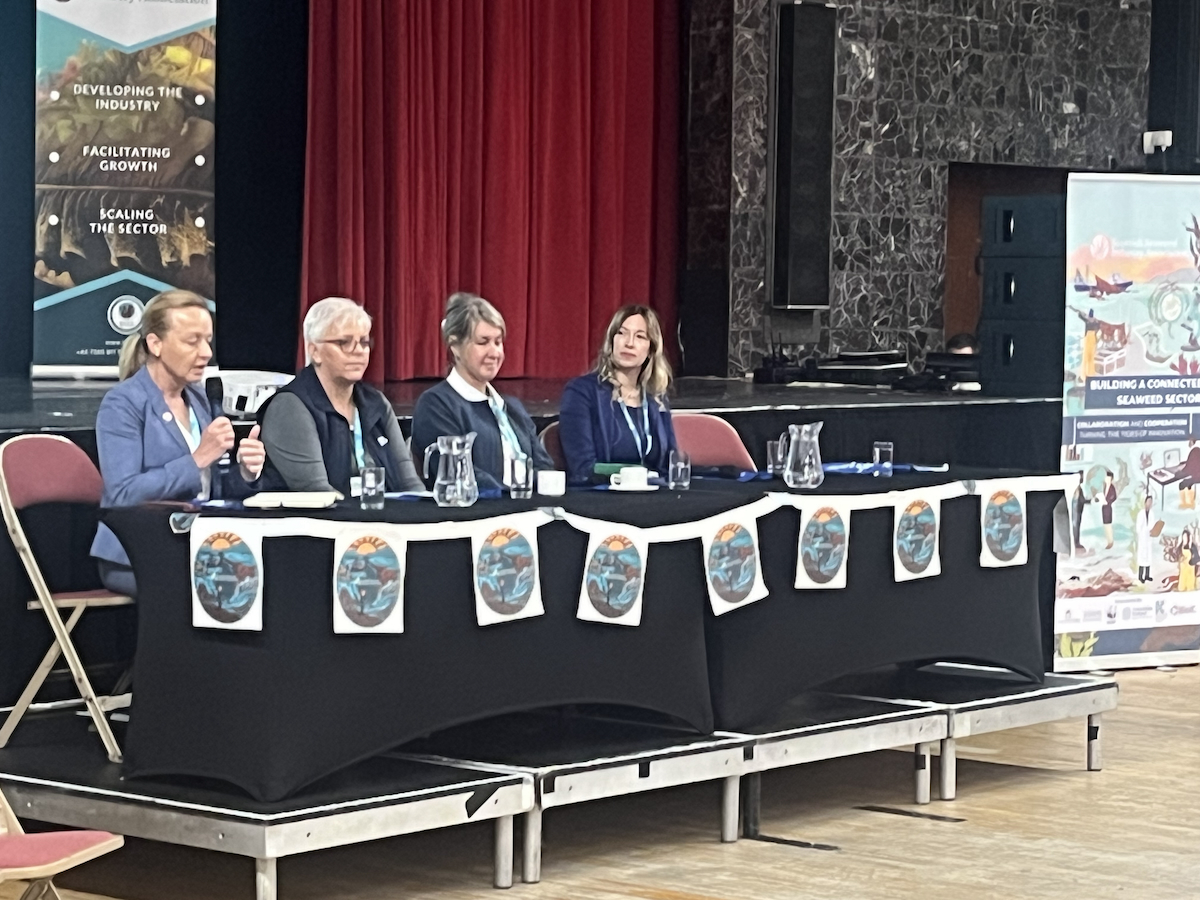
Day 2 started with a breakfast and panel discussion hosted by WiSA (Women in Scottish Aquaculture). Introduced by Jill Couto-Phoenix of Lantra, the panel was made up of Melanie Siggs, Donna Fordyce, Alison Baker of Eco Cascade and Rhianna Rees.
The discussion touched on leadership, “risk-taking” and the role of women in aquaculture. Melanie Siggs said that her career route had been less about wanting to be “a leader” and more about having a voice, and agency. She added that an important principle is “aspire to be the leader you always wanted to have”.
Donna Fordyce stressed the importance of allowing your team to develop personally, while Alison Baker said her role was always evolving, but one key lesson has been not to micro-manage: “I spend more time listening than talking.”
The panel agreed that, as a relatively new sector for the West, the seaweed industry represents more of a level playing field for women than some other industries: “Everyone is learning.”
The cluster philosophy
As keynote speaker, Melanie Siggs returned to the podium to talk about the cluster approach in seafood, specifically the Iceland Ocean Cluster, which is being adopted as a model elsewhere, including Scotland, and even Namibia.
Faced with shrinking cod quotas, the Iceland fishery sector worked together to find ways to extract more value from the fish they were catching, from dressings for burn victims to collagen drinks.
The talk included a video address by the Iceland Ocean Cluster’s Alexandra Leiper, who said that, with collaboration: “Challenges can be solved much more innovatively and rapidly, and opportunities appear that could never have been foreseen.”
Melanie Siggs advised:
• Agree intention;
• Build trust;
• Create rules; and
• Ensure authentic C-suite commitment.
“Clusters are powerful,” she said. “Because they turn competition into collaboration.”
Science, industry and innovation
Funding is a key requirement for innovation and Sarah Riddle of SAIC introduced a roundtable discussion on financing the sector, with: Morag Goodfellow of Highlands and Islands Enterprise; Caroline Griffin of Innovate UK; Chris King of Crown Estate Scotland; and Eoin Murray of sustainable investment fund Rebalance Earth.
One issue was how to factor in the non-financial returns – such as increased biodiversity – the seaweed industry offers
As Eoin Murray explained, Rebalance Earth looks at financial, environmental, social and “inspirational” returns.
The next roundtable focused on collaboration between industry and science, chaired by Christine Rolin of Highlands and Islands Enterprise and featuring: Adam Hughes of SAMS; Sarah Riddle, SAIC; Annelie du Plessis, IBioIC; Adrian Macleod, Atlantic Mariculture; and Val Hughes White of the Roslin Institute.
One lesson was that “time, trust and empathy” are essential; another was that knowing when to drop an idea is as important as knowing when to pursue it. Scientists are open to contact from industry and they are usually happy to help, the panel stressed.
Further sessions covered collaboration within industry and emerging innovations, including a project at Abertay University to identify what chemicals in seaweed can create off-putting flavours and a pioneering study, introduced by Ray Marriott of Bridge Farm Bioscience, into the use of CO2 as a “green solvent” to remove unwanted elements from seaweed in processing.
Ann Ruddy, CEO of Alga, outlined not one but two innovative ideas: pre-seeded, towable floating units for seaweed cultivation; and mobile, containerised processing units capable of dealing with one tonne a day each, to “bring the processing to the seaweed”.
Finally, the winner of the SSIA Innovation Competition, sponsored by the Mustardseed Trust, was announced. The judging panel had heard pitches from Oshun Labs, Eco Cascade, RUBISKO and Kaly, Marine Biopolymers and SAMS Enterprise, but it was the collaboration between Algapelago Marine and Atlantic Mariculture, working with the James Hutton Institute on biostimulants for agriculture, that was declared the winner. The prize was collected by Atlantic Mariculture’s Adrian Macleod.
Sponsors for this year’s conference were: Highlands and Islands Enterprise; SAMS Enterprise; WWF; Crown Estate Scotland; Kilchoan Melfort Trust; and IBioIC.
Why not try these links to see what our Fish Farmer AI can tell you.
(Please note this is an experimental service)
You May Also Like



© 2026 Fish Farmer.