




Regional perspectives from Egypt and Saudi Arabia
The aquaculture sector has grown rapidly in recent years, driven by rising demand for affordable, high-quality protein sources.
According to the OECD–FAO report, global fish production is projected to reach 206 million tonnes by 2033. More than 85% of the expected increase will come from aquaculture, raising its share to approximately 55% of total global fish production.


Aquaculture in Egypt dates back to one of the earliest periods of recorded human history. Ancient Pharaonic tombs, from around 2500 BCE, contain drawings that clearly depict the harvesting of tilapia from managed fishponds, providing one of the oldest known evidences of early aquaculture practices.
Modern aquaculture in Egypt began in the 1930s and expanded significantly in the 1960s with the establishment of the first semi-intensive government fish farm, covering 120 hectares, to produce tilapia, mullet, and carp. Throughout the 1970s and 1980s, the rapid increase in farms and hatcheries boosted national production from 17,000 tons to 45,000 tonnes. In 1984, Egypt launched its first trials of cage culture in the Nile River, marking an important milestone that set the stage for remarkable growth that ultimately positioned Egypt as the largest producer of tilapia in Africa and the Arab world.
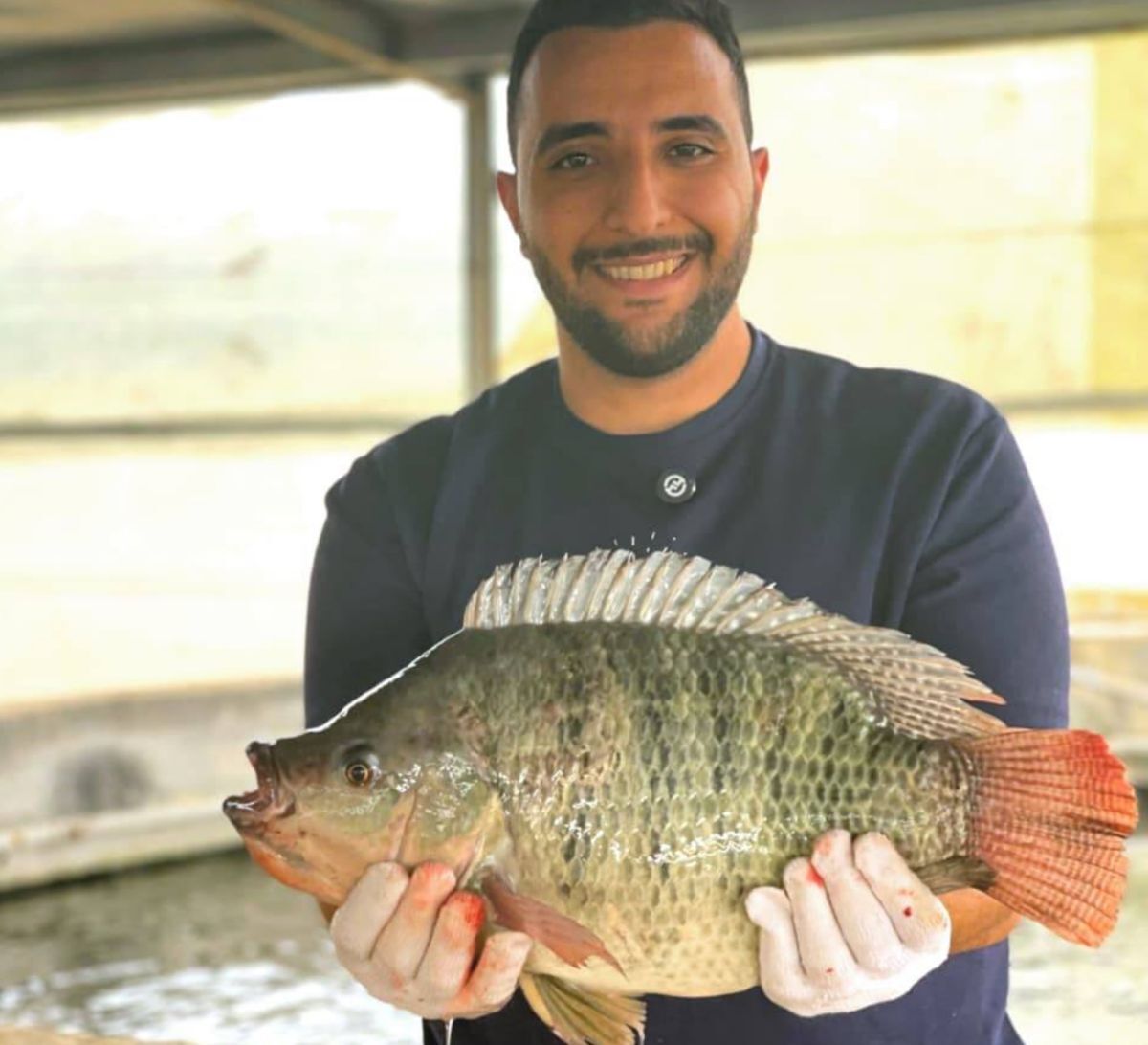
Tilapia (especially Nile Tilapia, Oreochromis niloticus) is one of the most widely farmed fish species globally due to its tolerance to variable water quality, low dissolved oxygen, and a wide range of salinity and temperature levels. These characteristics make it ideal for diverse farming systems in the region.
Often referred to as the “aquatic chicken”, Nile tilapia forms the backbone of fish farming in Africa thanks to its rapid growth rate, low production cost, and high adaptability. Today, tilapia accounts for more than 9% of global aquaculture output. Egypt is the world’s third-largest producer of tilapia, after China and Indonesia, with national production exceeding 1.1 million tonnes in 2023. By 2024, Egypt had also strengthened its global position by becoming the world’s second-largest exporter of fresh and chilled tilapia.
Driven by increasing food security concerns and the high economic burden of seafood importation, Arab states of the Persian Gulf (Middle East) are investing heavily in aquaculture to reduce reliance on imported products. Tilapia has become an important species within these national strategies, alongside high-value marine species.
Meanwhile, Saudi Arabia’s aquaculture sector has experienced substantial advancement, supported by Saudi Vision 2030, which prioritises enhanced national food security. Aquaculture activities in the Kingdom began in the 1980s, with early initiatives including the establishment of the Jeddah Fish Farms Centre in collaboration with the FAO (the Food and Agricultural Organisation of the United Nations).
Although the Kingdom has traditionally focused on high-value marine species such as sea bream, sea bass, and shrimp, the past decade has witnessed a significant expansion in Nile tilapia farming in inland waters. This shift is driven by rising domestic demand and the relatively lower production costs compared to marine species.
According to the General Authority for Statistics of Saudi Arabia (2024), aquaculture contributed 161.6 thousand tonnes to Saudi Arabia’s total fish production, with Nile tilapia alone representing 62.8 thousand tonnes, highlighting its growing role in meeting local consumption needs.
Expansion of tilapia farming continues across several regions, including Riyadh and Al Qassim. Notably, Al Qassim has emerged as one of the Kingdom’s leading aquaculture hubs, contributing approximately 20% of national tilapia production, in addition to producing several other species.
Egypt and Saudi Arabia: African leadership and Gulf ambition
Two distinct models of aquaculture success can be observed in Egypt and Saudi Arabia, reflecting how two private-sector farms operate differently according to their respective environmental conditions.
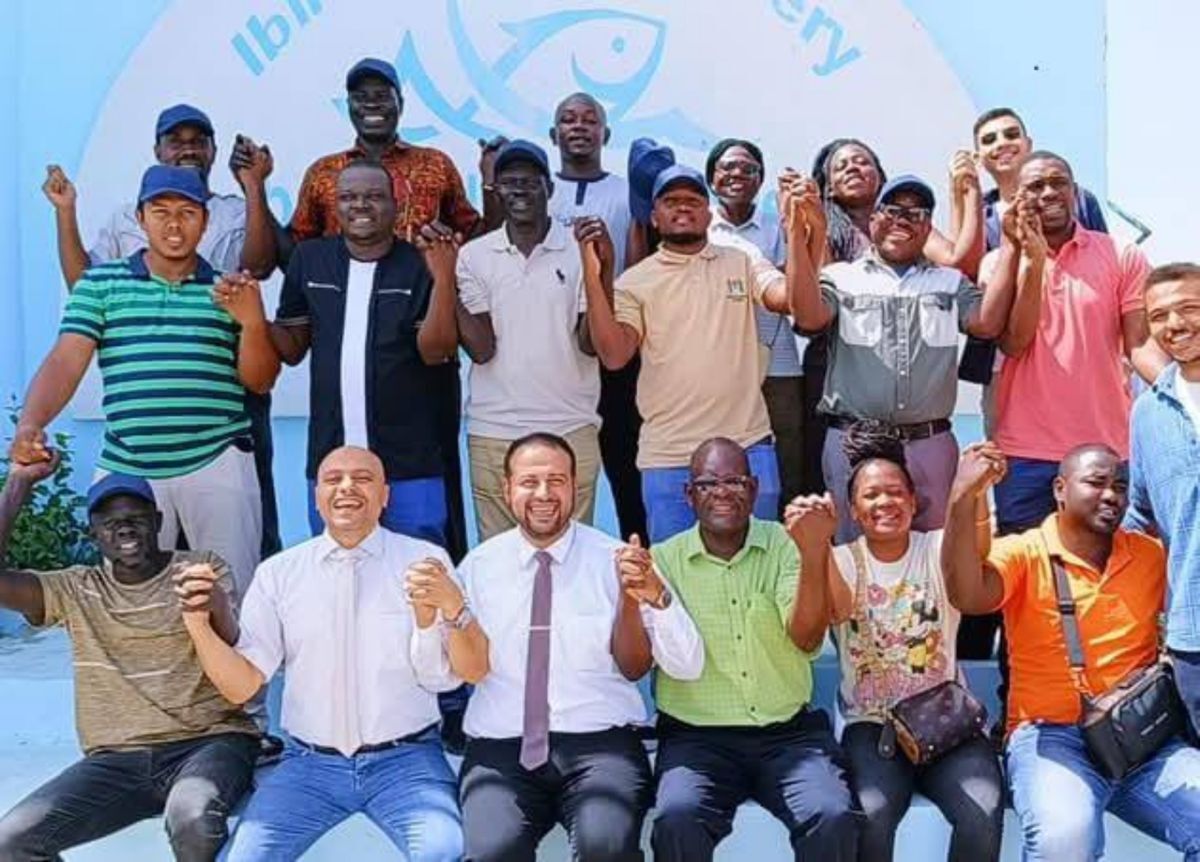
Egypt, with its long history and well-established aquaculture sector, stands as a leading producer in both the Arab world and Africa. Its leadership is reinforced by a strong private sector, active research institutions, large-scale national projects, and the presence of specialised colleges dedicated to aquatic and fisheries sciences. This ecosystem has produced a new generation of experts, including Shady Hamdy, CEO of the Ibn Al-Nafis Hatchery, who represents the emerging scientific and technical capacity driving the sector forward.
Saudi Arabia, on the other hand, is progressing at an accelerated pace, focusing on capacity building and the adoption of advanced technologies to strengthen its regional and global position in aquaculture. The Kingdom’s clear strategic vision centred on expansion, innovation, and sustainability has enabled rapid development in both freshwater and marine farming systems.
Among the most notable private-sector models in tilapia farming is Gulf Union Farm, led by Mohamed Elshenawy, which demonstrates how modern production technologies can be adapted effectively to desert environments.
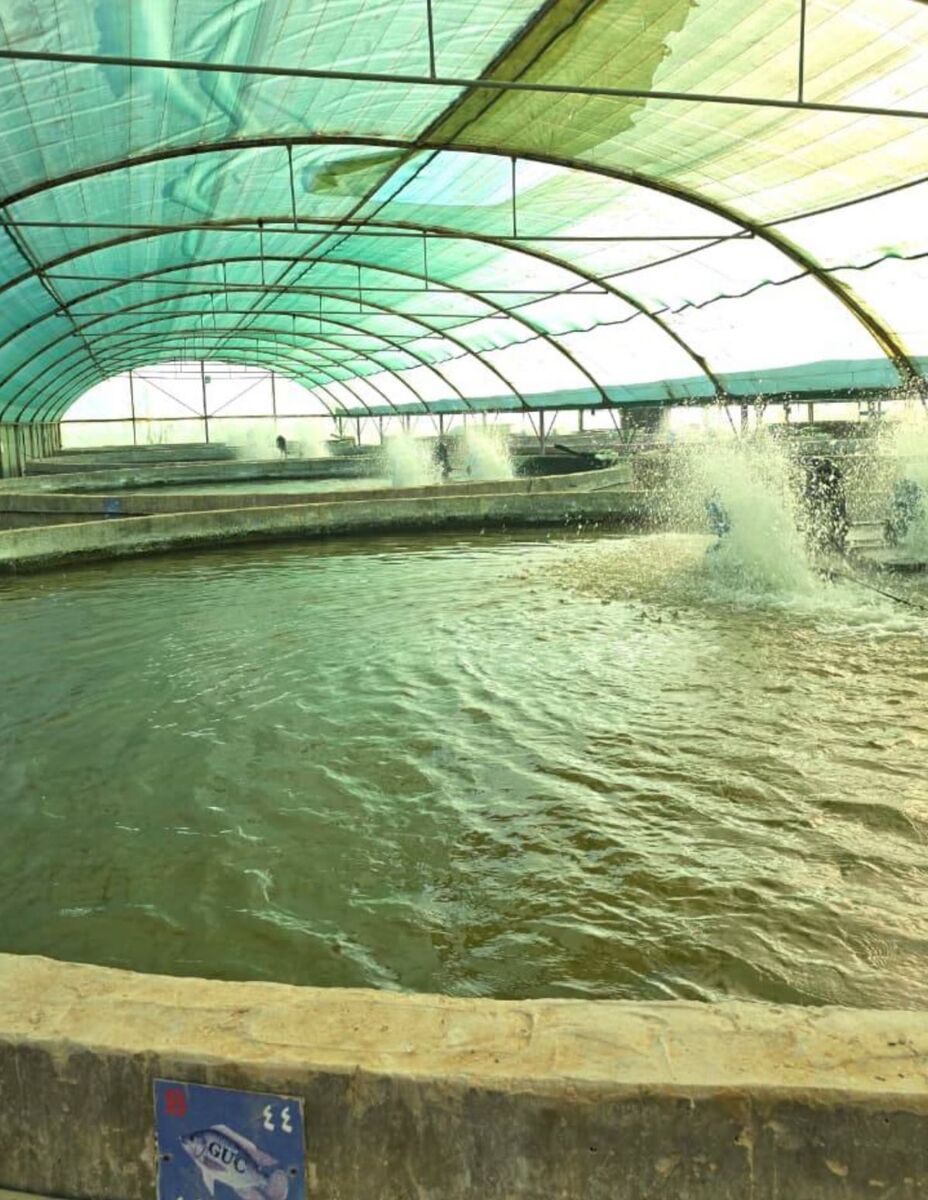
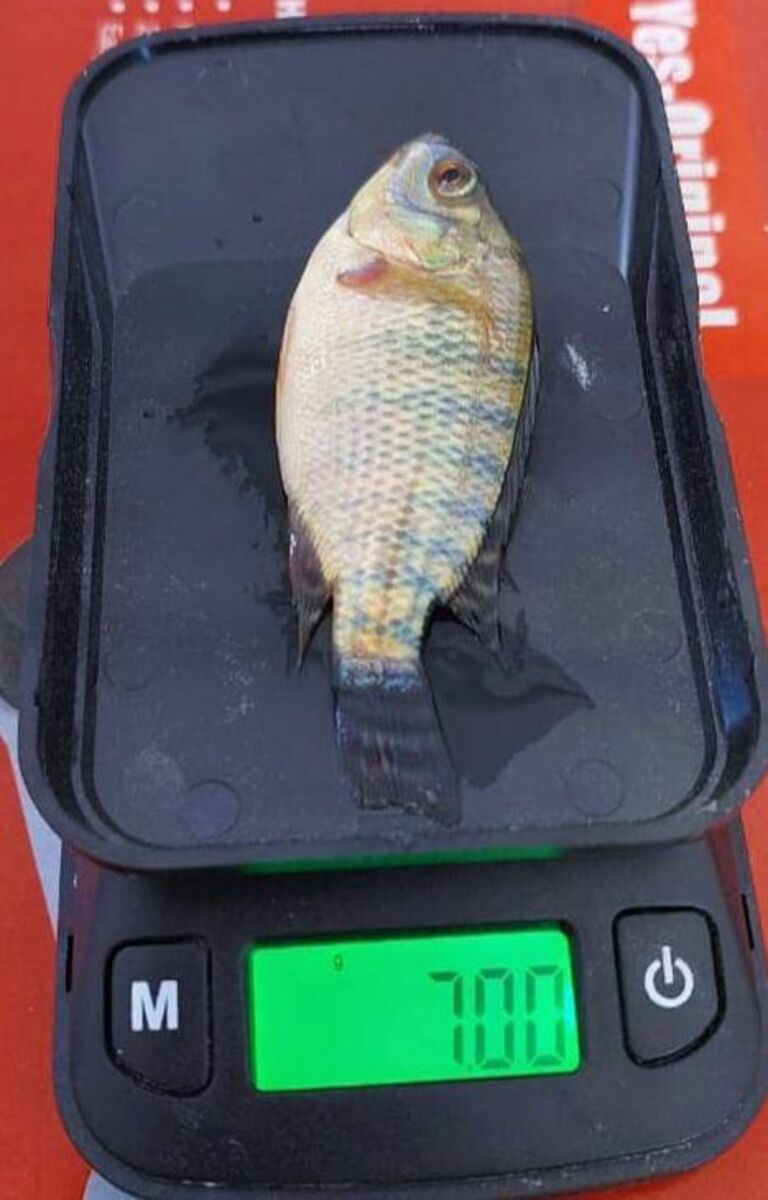
Ibn Al-Nafis Company – Egypt
The Ibn Al-Nafis hatchery represents an advanced model driven by a new generation of fish farming specialists in Egypt. Shady Hamdy, a graduate of the Faculty of Aquatic and Fisheries Sciences at Kafrelsheikh University, obtained a master’s degree on the effect of probiotics and algae on fish performance and fry production. He is currently pursuing a PhD focused on the development and application of YY technology, aiming to strengthen the integration between scientific innovation and practical farm operations.
YY technology is a genetic technique in tilapia farming that produces all-male fish by developing a male broodstock with YY chromosomes through a specific breeding and sex-reversal process. These YY males are then naturally mated with normal XX females to produce 100% all-male offspring.
The hatchery operates across five acres, including 63 concrete tanks and greenhouses, with a production capacity of five million Nile tilapia fry (Oreochromis niloticus) per cycle, totalling five production cycles per year. The team also manages a 15-acre farm with an annual grow-out production of approximately 60 tonnes, and provides technical supervision for other farms and hatcheries in the Delta region. Ibn Al-Nafis’ approach is based on improving the quality of seed to increase the productivity of fish farms and enhance competitiveness.
Shady and his team rely on selecting broodstock and eliminating the use of antibiotics, not only within their own facilities, but also across the farms and hatcheries under their supervision. Instead, they adopt vaccination programmes against Streptococcus, combined with robust improvements in water quality and feed management. This approach has contributed to reducing mortality and producing healthier stock with outstanding growth performance.
Under the leadership of Shady and Dr Tamer Al-Bastawisi, the hatchery is conducting advanced trials on YY Technology, in cooperation with aquaculture business Agromar, the pioneer of this technology in Egypt, to raise growth rates and improve genetic characteristics, marking the first practical deployment of this technology in Egyptian aquaculture.
In parallel, the team is testing a system that simulates the In-Pond Raceway System (IPRS) to suit local conditions, and developing specialised feed formulations to improve feed conversion efficiency and reduce operational costs.
The hatchery has also become a regional training hub, receiving trainees from 15 African countries through programmes offered by JICA (Japan International Cooperation Agency) and the Egyptian Ministry of Agriculture and Land Reclamation. The team also provides advisory support to fisheries development projects affiliated with the United Nations Development Programme.
Moreover, Ibn Al-Nafis is contributing to the development of the Smart Feed Estimation Device (SFED), a digital tool designed to optimise feed usage, maintain water quality, and reduce the accumulation of ammonia. Also, the hatchery is further working toward adopting renewable energy solutions, including solar systems, to enhance sustainability and reduce operational costs.
Gulf Union Limited Company – Saudi Arabia
Gulf Union Fish Farm represents an advanced model for fish farming in desert environments in the Kingdom of Saudi Arabia, driven by qualified young professionals. The farm is managed by Mohamed Elshenawy, who holds a BSc in Aquaculture from Al-Azhar University.
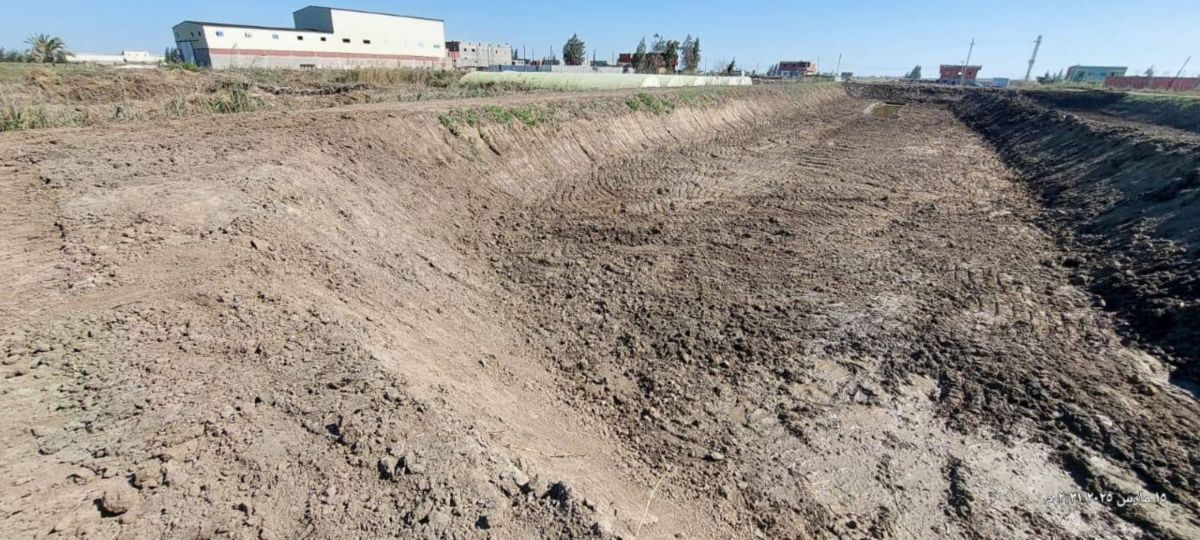
The farm spans an area of 100,000 m², including a 2,100 m² hatchery, a RAS (recirculating aquaculture system) nursery unit with 50 ponds, and a rearing unit with 80 tanks. The hatchery also includes 82 tanks for breeding, hatching, and larval rearing. The second phase of the project is currently underway, adding 50 new ponds with a capacity of 260 m³.
The farm achieved an annual production of 300 tonnes. The management aims to scale up to 1,000 tonnes in the near term and 3,000 tonnes by 2030, supported by ongoing expansion plans.
Operating in a desert region with limited water resources, the farm adopts a Zero Water Waste approach. A portion of the water is treated and recycled through the RAS system, while the remaining water is used to irrigate crops such as wheat and alfalfa, significantly improving water-use efficiency, and reducing the farm’s water footprint.
The hatchery has also achieved a milestone by producing six million tilapia fry annually, meeting the internal demand (about 1.2 million fry) while supplying surplus fingerlings to other farms. The project has obtained the SAMAQ certification, issued by the Saudi national aquaculture product certification body, ensuring compliance with best aquaculture practices, product quality and food safety standards.
Elshenawy emphasises the role of probiotics in boosting fish health and performance, not only for water quality management but also for improved immunity and enhanced feed conversion ratio, contributing to reduced costs and more efficient production. The farm also adopts a continuous harvest model to ensure a consistent supply of fresh fish that meets market needs all year round, under a comprehensive operational risk management strategy.
The Ibn Al-Nafis hatchery stands as a compelling example of youth empowerment and innovation in the fish farming sector in Egypt, as scientific research is effectively translated into measurable economic impact, which contributes to elevating the quality, improving production efficiency, and boosting the competitiveness of Egyptian fish in both local and regional markets. Similarly, the Gulf Union farm represents a successful model of modern aquaculture in Saudi Arabia, where advanced technologies and efficient water management are applied to achieve stable production and high product quality, supporting national food-security goals and enhancing the regional competitiveness of Saudi aquaculture.
And despite the remarkable growth achieved by Egypt and Saudi Arabia in the aquaculture sector, the industry still faces a set of challenges that require innovative solutions and expanded collaboration between farms and research institutions.
According to Shady Hamdy, the fluctuation in feed quality from year to year remains one of the key challenges that hinders production stability and limits growth, making feed development and supply-chain consistency a top priority for Egyptian fish farms.
Meanwhile, Mohamed Elshenawy emphasises that the wide thermal range in Saudi Arabia’s desert environment necessitates investment in the infrastructure of the facility inside production units. It is also essential to conduct comprehensive groundwater analysis before initiating any construction, to ensure stable water characteristics and suitability for aquaculture.
Looking ahead
Aquaculture serves as a cornerstone for enhancing food security in Egypt and Saudi Arabia, with a promising future for growth and increased export capacity. With the continuous development of production systems, improved biosecurity, expanded infrastructure, and the promotion of scientific research and modern technologies, this sector is expected to continue playing a vital role in supporting regional food security and opening broad opportunities for investment in the coming years.
Yomna Elshamy is a master’s researcher in aquaculture, at Kafrelsheikh University, Egypt, specialising in fish nutrition. Her current research focuses on alternative protein sources for aquafeed in Egypt, with a particular emphasis on cost-effective and environmentally sustainable solutions.
Further reading
Tilapia Culture by Abdel-Fattah El-Sayed and Novel Approaches Toward Sustainable Tilapia Aquaculture by Seyed Hossein Hoseinifar and Hien Van Doan are considered essential references for anyone seeking to understand the scientific and technical foundations of sustainable tilapia farming.
El-Sayed, A.-F. M. (2006). Tilapia Culture. In American Fisheries Society Symposium (Vol. 2006, Issue 46).
© FAO. 2025. Egypt. Salem, A.M.; Saleh, M.A.. In: Fisheries and Aquaculture. www.fao.org/fishery/en/countrysector/naso_egypt
Flores, C., Bryant, C., Bakr, M., & Emam, W. (2025). Farmed fish welfare in Egypt: Surveying current practices and future directions for tilapia culture. Aquaculture Reports, 41(February), 102594. doi.org/10.1016/j.aqrep.2024.102594
Hoseinifar, S. H., & Van Doan, H. (2023). Novel Approaches Toward Sustainable Tilapia Aquaculture (S. H. Hoseinifar & H. Van Doan (eds.)). Springer International Publishing. doi.org/10.1007/978-3-031-38321-2
Why not try these links to see what our Fish Farmer AI can tell you.
(Please note this is an experimental service)
You May Also Like



© 2026 Fish Farmer.