




Prevention over cure
One of the aquaculture sector’s most pressing challenges is how to improve fish health through prevention rather than cure – it would be better for the fish, the sector and the sector’s social licence.


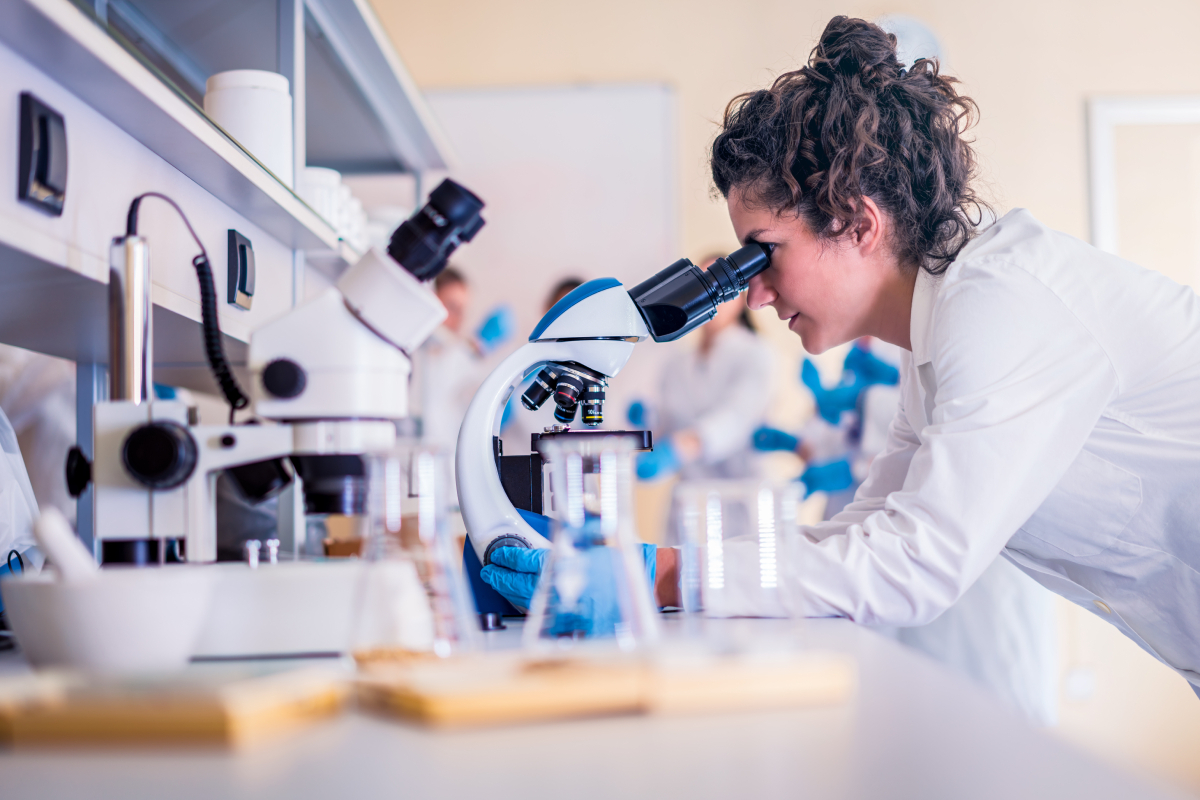
In spring 2025, SAIC, the Sustainable Aquaculture Innovation Centre, brought together over 40 producers, vets, feed and pharma specialists, researchers and other experts, from Scotland and beyond, to discuss how to shift the dial from treatment to prevention.
Speakers included Alison Brough of Scottish Sea Farms, SAIC’s Sarah Riddle, Dr Shailesh Shrestha of SRUC, Xelect’s Marie Smedley, Kimberley McKinnell of Bakkafrost, Jorgen Vatn of Ocean Ecology, MSD’s Joel Ellis, Matthijs Metselaar of Aquatic Vets and the RSPCA’s Sean Black.
Discussions concluded that multiple factors are contributing to farmed fish health challenges in Scotland.
The message from the workshop was a positive one, however: there is strong potential to address all of these with preventative approaches.
In three sessions on scene-setting; prevention; and cure/treatment, fish health leaders explored:
• what’s working and what’s not
• emerging (and re-emerging) fish health challenges
• roadblocks to better fish health and welfare, and to successful preventative approaches; and
• options for progress.
There were five over-arching themes emerging in the presentations and discussions:
• Survival rates do not illustrate the sector’s ongoing success in tackling specific diseases and challenges, and the continued emergence of new ones.
• Changes in husbandry, farming methods, biosecurity, environment, fish and pathogens are contributing to our farmed fish health challenges. Prevention approaches could address these.
• Regulation is necessary and standards are useful, but both must be more agile in a sector where technology, health issues and scientific knowledge evolve so fast.
• Data and biosecurity are key areas of possibility for addressing fish health through prevention.
• The aquaculture sector is resolute about improving metrics and performance on health and survival, looking to other producer countries and sectors for both best practice and benchmarks.
Highlights and takeaways: industry challenges & gaps
Numerous challenges were mentioned, including issues around individual diseases, treatments and vaccines.
One of these was the fact that there is significant data available to producers, but it could be collated, presented and used more insightfully.
An association was noted between mechanical lice treatments and bacterial disease.
The medicines and vaccines available to Scotland’s finfish farmers are limited. Vets have the diagnostics to identify issues early, but not necessarily the tools to treat or prevent them.
Precautionary regulation and management can have unintended outcomes for fish health.
Ideas for change and next steps
A number of key high-impact ideas that emerged from this exercise are shown below, divided into practical steps, policy recommendations and areas for future research.
Practical steps for industry – short-term wins
Biosecurity: Norway offers models for using industry collaboration and knowledge-sharing on biosecurity, including better understanding of wellboat movements and modelling of how to prevent cross-contamination.
Data: Participants identified some quick wins on data, alongside longer-term change, including improvements to the compilation and sharing of data on emerging diseases to facilitate quicker responses.
AI and machine learning: Cameras, AI and modelling could be used, for example, to better understand shoal structure as an indicators of fish welfare, or to address lice challenges.
Practical steps for industry – longer-term “vision builders”
Farming: New approaches to site selection and location, and technology for closed containment, semi-closed containment, and offshore farming would all support prevention and better health outcomes. Collaboration and funding will be vital and regulatory roadblocks will also need to be removed.
Data (again): Beyond the quick wins, industry experts thought that long-term funding, collaboration and mindset changes could transform how data is used to support prevention.
Policy recommendations – short-term wins
Field trials: The suggestion has been made before, but Scotland needs a marine trial site where treatments and prevention approaches could be trialled at commercial scale.
Standards: New standards that reflect advances in science and technology, and prioritise prevention over treatment, would incentivise change.
Regulation: The Covid pandemic showed that faster, evidence-based regulatory reactivity is indeed possible. Regulation should be updated and should consider the secondary impact of treatment in the general health of fish.
Areas for future research
Industry, funders, researchers and in some cases, regulators could be brought around the table to work collaboratively on areas like: development and use of phages (viruses that attack bacteria); more holistic approaches, for example applying genetics to breed fish that respond well to vaccines; optimising freshwater rearing systems; embryonic temperature and its longer-term impact on vaccine responses; and continued modelling of the “best” sites for farming fish.
Conclusions
A shift in emphasis from cure to prevention would be welcome and impactful, SAIC believes, though the continual emergence of biological and environmental challenges will always necessitate an evolving treatment armoury as well as practices aimed at prevention.
There was a strong appetite to move forward on better data, biosecurity and other activities, but also a plea for roadblocks to be removed.
Industry, policymakers, researchers and others can all play their part in progress, but collaboration and funding are still needed to bring people to the table.
This is the second of a group of workshops that SAIC are organising, bringing people to together to identify the innovation/R&D needs that will help shape the future of aquaculture in Scotland.
Why not try these links to see what our Fish Farmer AI can tell you.
(Please note this is an experimental service)
You May Also Like





© 2026 Fish Farmer.