
A fascinating glimpse into the seafood buying habits of the French has been unveiled in a special Norwegian Seafood Council report.
The French appetite for seafood, and salmon in particular, is huge, worth 8.4 billion (£7.4bn) euros a year.


Kantar, a leading marketing data and analytics business, says more than half of French consumers eat fish weekly, and much of this (60%) is bought from old fashioned fishmongers or supermarkets.
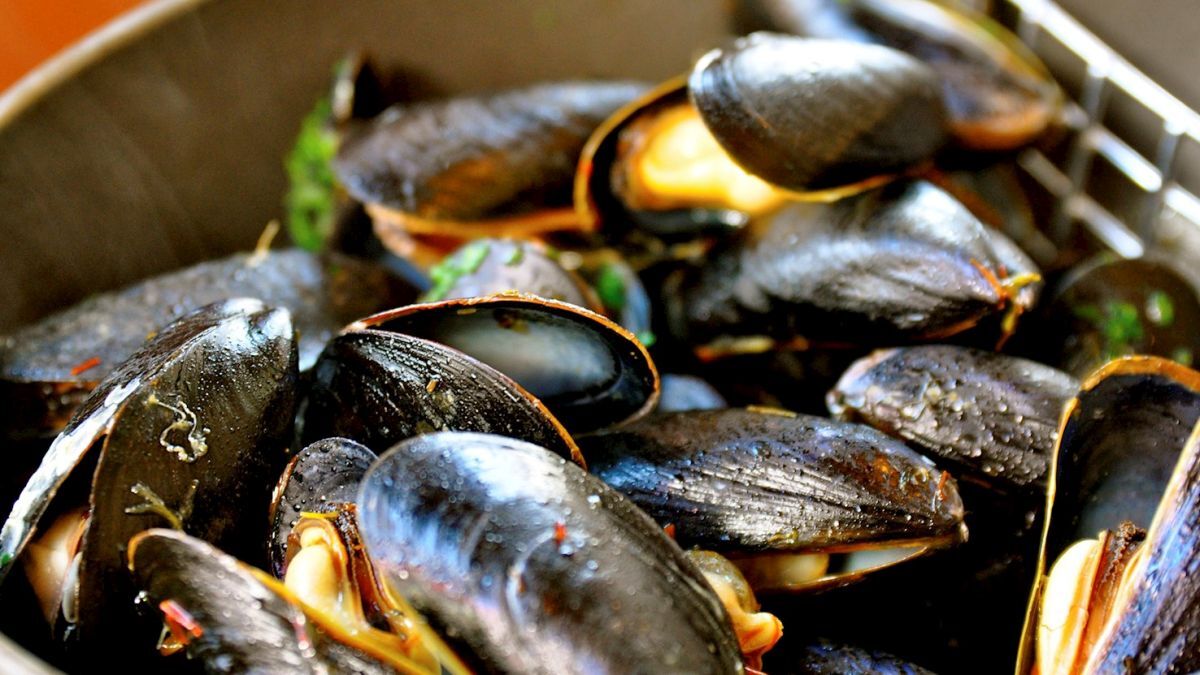
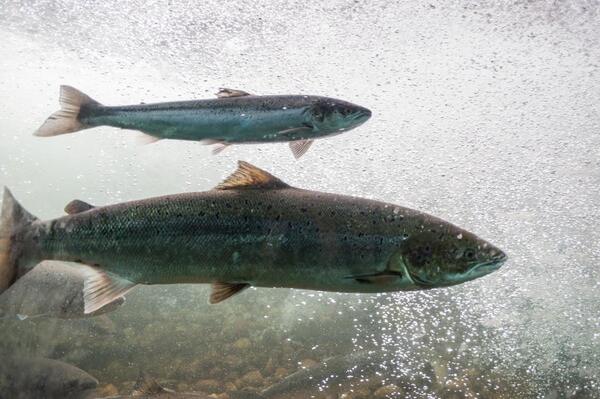
Younger consumers tend to go for shellfish or crustaceans, while 66% of those who eat seafood choose salmon – much of it smoked salmon.
The report, released by Sigrid Philippart, the seafood council’s France director, states that salmon consumers are also likely to be older and wealthier, although smoked salmon is increasingly being bought across all ages.
And the two countries providing France with most of its salmon are Norway and Scotland, says the report.
However, France is now engaged in producing its own salmon with a view to increase local production, with three new farms planned, comprising investments of between €150-€275m.
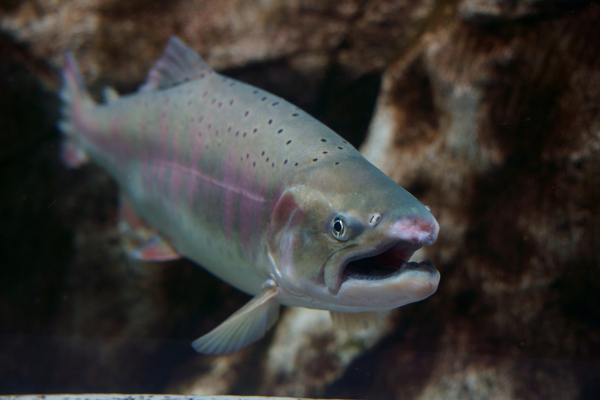
One of the surprises in the report is that most trout (91%) sold in France is either smoked or produced at home.
Compared to smoked salmon, trout is perceived more as an everyday product, with 68% of French people saying they consume it without any occasion, compared to 59% for smoked salmon.
More than a fifth of seafood value sales comes from traditional specialists – markets, fishmongers and other stores.
The report says that fishmongers, like most retailers, are facing inflationary challenges, but by adapting and focusing marketing spend on ‘fresh’ and ‘local’, the sector is improving, with 83 new seafood businesses created in 2023.
Around 28% of French consumers who eat seafood more than once a month choose saithe – commonly known in Britain as coley – with an average per capita volume of 0.7kg per person, the report says.
The good news for farmed fish is that the total sushi / srimi / maki market was valued at €152m in 2023, with 15% of French households regularly consuming sushi. It is particularly popular among younger buyer.
Seaweed, too, is increasing in popularity, with 60% of consumers saying they have tried it.
Kantar says that quality and freshness are important to French consumers when it comes to buying fish, although price can be a barrier.

France is famed for its restaurants – the country has around 184,000 of them, with an estimated annual turnover of €120 billion (£105m).
Just one in 20 outlets can be described as fast food restaurants, with a turnover of just over €10 billion.
However, as in neighbouring Spain and elsewhere, there are grumblings about rising restaurants prices.
The report says the growing trend in convenience and snacking in France is having an impact on the seafood category, especially among younger consumers.
“French consumers are increasingly choosing smoked fish, seafood spreads, and marinated options for quick and convenient eating. Brands are innovating with ready-to-eat seafood formats, such as tuna bites, salmon jerky, and seafood tapas.”
Kantar says demand for ready-to-eat seafood, such as fish-based poke bowls and sushi, is growing strongly. People are looking for quick and convenient meals, and poke bowls are a perfect fit for that.
With an increasingly fast-paced lifestyle, consumers want meals that these retailers now offer – a range of fish salads and ready meals, which meets the demand for convenient and balanced meals.
Plant-based seafood is becoming more common in France, with 47% of French consumers claiming to occasionally or regularly eat the product.
Nearly half of French consumers are willing to pay more for food products that are “good for the environment”, and 64% of respondents say they are willing to pay more for products that guarantee fair remuneration for small producers.
Local and French-made is also important to French consumers. Greenwashing is a cause for concern among the French – with this subject gaining the highest number of complaints made to French advertising standards agency in 2022. In France, 63% of French consumers want policymakers to increase standards for transparency on product certifications.
As the second-largest economy in the EU, France places great cultural importance on food and drink.

According to the global market research company Circana, turnover in the Produit de Grande Consommation / Frais et Libre Service sector reached €134 billion (£117bn) in 2024, accounting for approximately 60% of total food and drink sales in the country.
However, the sector saw a slight decline, with value sales down 0.5% and volume sales down 0.9% year-on-year.
As in other European markets, economic uncertainty is reshaping French shopping behaviour. Hypermarkets are losing share to e-commerce, as consumers seek greater budget control.
At the same time, shoppers are visiting more stores, buying fewer items per trip, and prioritising value.
Consumption habits have shifted too: 37% of French consumers are eating more meals at home, and 44% of households cook mostly from scratch.
Older consumers, who typically have higher disposable incomes and greater cooking confidence, are a key demographic behind this trend.
Quality and freshness are top priorities, but price sensitivity is increasing as consumers cook at home more often and face higher seafood prices.
French consumers are shopping in more stores looking for value, and trading down from brands to private label.
In respects, French shoppers are little different from those in the UK or in other parts of Europe.
But when it comes to seafood they are largely sticking to old habits, although those among the young do appear to be changing.
And the good news for aquaculture, whether in Norway or Scotland, is that salmon remains far and away the most popular fish.
Why not try these links to see what our Fish Farmer AI can tell you.
(Please note this is an experimental service)