





India: Looking to diversify
The Indian fish farming sector is steadily developing these days, thanks to the ongoing growth of the country’s national economics.


A significant growth of exports of Russian oil to India since 2022 has provided a major impetus for the growth of most segments of Indian industrial production, including fisheries and fish farming.
An improvement of the overall economic situation in the country has ensured implementation of some important state initiatives in the field of fish farming. An example is the establishment of the national Fisheries Infrastructure Development Fund (FIDF) with the aim of modernising fishery infrastructure, as well as the adoption of various regional programmes for supporting fish farmers across the country.
According to data from the Indian Department of Fisheries, part of the Ministry of Fisheries, Animal Husbandry and Dairying (MoFAH&D), in the last decade the Indian fish farming sector has demonstrated a positive dynamic, which resulted in the growth of the industry by a factor of at least two, both in volume and value terms. For shrimp production alone, the overall growth for the reporting period was 270%.
In 2024 the Indian aquaculture output reached an almost record 14.4 million tonnes (MT), and growth is still ongoing this year. Freshwater aquaculture contributes 88.27% to the total aquaculture output.
Still, according to analysts, the industry has potential for more active development and growth in years to come, and one of the recipes to achieve this is more active diversification of the range of species farmed. That involves beginning the production of fish species which were previously uncommon for the country.
According to data from the Department of Fisheries, in terms of structure of the market, at present six fish species contribute over 80% (8.16 MT) of total aquaculture output in the country. Among them are primarily Indian major carps (rohu, catla, mrigal), along with some exotic carps (common carp, silver carp, grass carp), and pangasius. The state of Assam currently remains one of the centres of aquaculture production in India, being a leading aquaculture hub in north-east India.
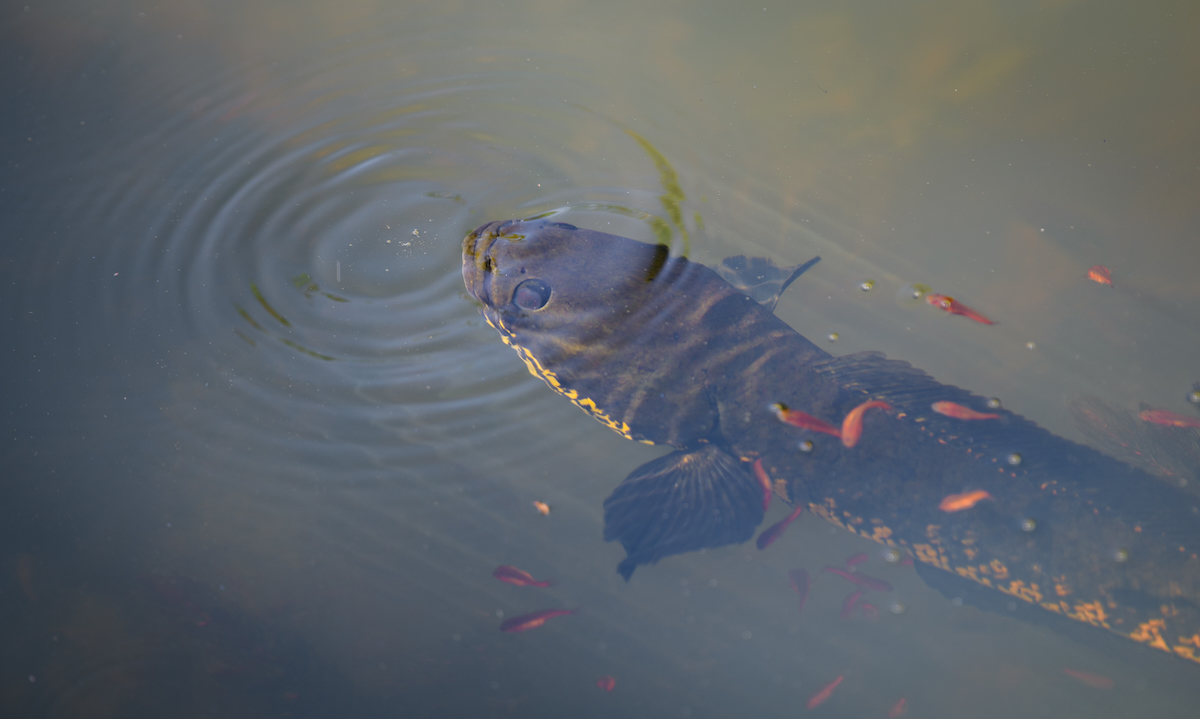
The planned expansion of the range is expected to start with the production some high-value species, such as tilapia, murrel (also known as snakehead or mudfish), and catfish, along with climate-resilient euryhaline (salt-tolerant) species.
Additional effort will be focused on the issue of genetic improvement. Historically one of the biggest problems of the Indian fish farming sector was related to its limited genetic diversity. There is a possibility that this situation will change. For example, in the case of tilapia, the Indian government plans to increase its production in the country from about 100,000 metric tonnes in 2024 to over two million metric tonnes by 2032. That involves a more active use of genetically improved tilapia strains.
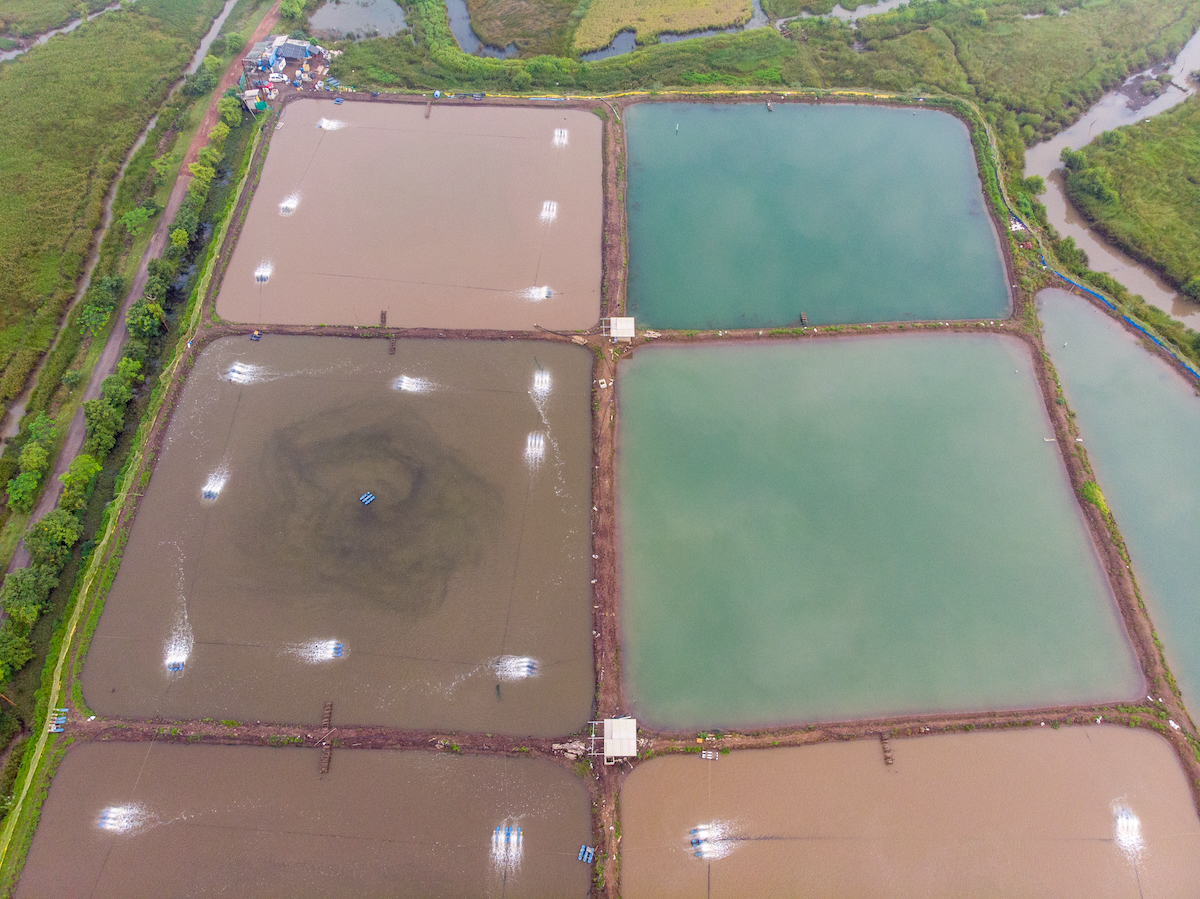
In the meantime, in addition to tilapia, there are also plans for the increase of shrimp farming in coastal states of the country like Andhra Pradesh and Tamil Nadu. As part of these plans, attention will be paid to the increase of production of such species as black tiger shrimp and whiteleg shrimp. In case of Andhra Pradesh – a state on the east coast of southern India – shrimp farming remains one of the mainstays of local economics, with an annual output of approximately 500,000 metric tonnes. It is expected that output will further increase in years to come.
Opportunities for growth, but problems persist
According to experts at Ajmal IAS Academy, which is one of the country’s leading research institutions in the field of economics, currently conditions are good in India for the development of its fish farming sector, as it possesses 2.36 million hectares of ponds and tanks, 0.8 million hectares of floodplain wetlands (“beels”), and 1.24 million km of rivers.
Still, according to some local analysts, a number of problems will continue to prevent a more active development of the industry in years to come. Among them are environmental degradation and ongoing climate change, as well as regular disease outbreaks in the industry, such as white spot syndrome virus (WSSV) in the country’s shrimp farms.
In recent years, the industry has also faced a significant increase in costs, which may pose a threat to certain local fish farmers, particularly those of small and medium size.
In the meantime, the design of new legislation in the field of fish farming is expected to be one of the priority goals for the government in the coming years, as at present the industry lacks uniform laws.
According to local producers, the government also needs to design a new National Aquaculture Diversification Policy that should create conditions for the development of the industry for years to come.
Despite the existing problems, in recent years some additional measures have been taken by the state to raise the safety levels in the industry.
An earlier study (in 2021), conducted by the Federation of Indian Animal Protection Organisations (FIAPO) and All Creatures Great and Small (ACGS), a non-profit organisation offering shelter for animals in distress, described Indian aquaculture practices as unhygienic and unhealthy.
The study suggested that Indian aquaculture farms contain hazardous levels of metals like lead and cadmium in the water and are releasing their effluents directly into nearby canals and estuaries. It also criticised the intensive use of antibiotics and insecticides by the sector, referring to this as a “ticking time bomb”.
Still, according to most local analysts, the Indian aquaculture sector has achieved serious progress since that time in terms of hygiene and standards of production.
Meanwhile, the production of farmed fish for both the domestic market and exports is increasing. Last year India exported seafood worth the total sum of US $8bn (£6.04bn), most of which is accounted for by farmed fish as well as shrimp. There are also big plans for production levels, as it is expected the industry’s output will double to 28.8 MT by 2033.
Why not try these links to see what our Fish Farmer AI can tell you.
(Please note this is an experimental service)
You May Also Like




© 2026 Fish Farmer.