





Aquaculture nets steady gains for Australian economy
With its hot, dry deserts and summer heatwaves, it is sometimes difficult to see Australia as a major force in aquaculture.
Yet, it has one of the fastest-growing fish farming industries in the southern hemisphere, playing a pivotal role in the country’s seafood production.


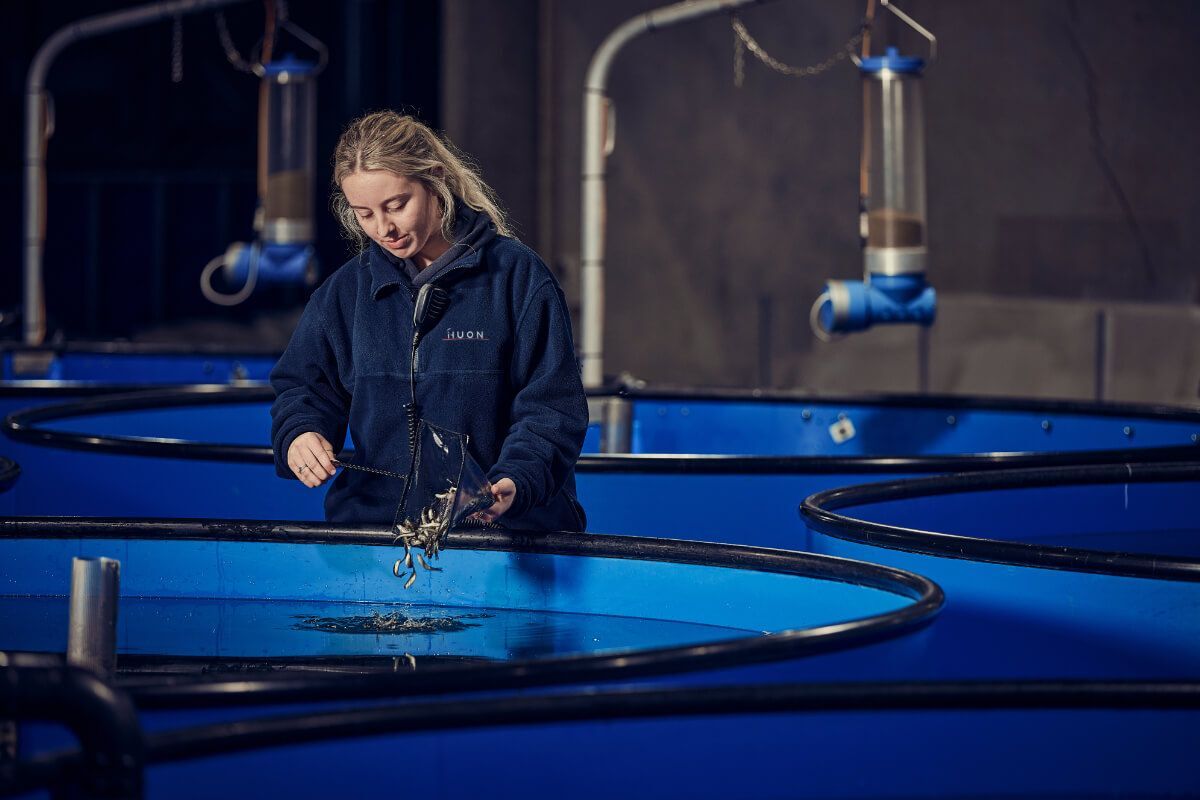

At the last count, the gross value of its aquaculture production had reached AUS $2.3 billion (almost £1.2 bn), more than half the value of the entire fisheries sector of AUS $4 billion (around £2bn).
The aquaculture figure is expected to climb even higher over the next three years, driven by strong salmon growth in Tasmania.
Australia’s principal aquaculture fish are all of high value and include salmon, tuna, oysters, prawns, and barramundi.
Other commercial species include abalone, freshwater finfish (such as Murray cod and silver perch), marine finfish (such as snapper, yellowtail kingfish, mulloway, groupers), mussels, and seaweed. The list is impressive.
As with many other countries, Australia has its fish farming opponents, and they can be quite forceful at times. But public support is limited. You only have to visit Sydney Fish Market around Christmas to know how much Australians love their seafood, farmed or otherwise.
The even better news is that the Australian national government and the regional state governments are actively supporting programmes for research, biosecurity, aquatic animal health, food safety, environmental protection, and trade.
The day-to-day regulation of operations, however, is primarily managed by the individual state authorities.
And the rules can be strict. Aquaculture businesses, especially those that use or release water into public waterways, must follow recognised environmental regulations. These are regularly monitored by the state authorities. Food safety standards also apply to all seafood – whether it is farmed or wild-caught.
So, both the public and exporters know that farmed seafood produced in Australia is safe to eat and environmentally sustainable.
It all looks perfect, but it isn’t, of course.

In the period 2023 to 2024, the value of Australian fishery and aquaculture production fell by 3.3%, or 7.2% in real terms, says the national government.
Higher production value for wild-caught rock lobster products helped to moderate the fall in the overall value of seafood production, although it did not fully offset the lower value of aquaculture output.
The decline came after a continuous decade of growth in the real value of total aquaculture. Most of the fall is attributed to a sharp decline in the volume of salmonids production in Tasmania, which declined by 6.3% during the year.
A fall in the value of salmonids and tunas in 2023–24 was only partially offset by an increase in the value of pearls, which resulted in total aquaculture income falling by 4.6% (8.5% in real terms).
To be fair, the decline did come after a decade of continuous growth, and this does happen in aquaculture from time to time.
Farmed tuna, in both volume and revenue, also contributed significantly to the fall, leading to the value of tuna aquaculture falling by 35% in nominal terms (38% in real terms), to AUS $76.9 million (£38.6m) during the year, the lowest farm gate value reported for the sector since the late 1990s.
The department of agriculture, fisheries, and forestry says: “Despite the change in momentum, aquaculture continues to dominate Australian fisheries and aquaculture production, contributing around 60% of annual value, rising from around 40% a decade ago.”
Tasmania remains the largest producing state, mostly salmon, accounting for 39% of total production, followed by Western Australia (14%), South Australia (12%), Commonwealth or government managed seafood (11%), and other states and territories (17%).
During the year, declining volumes of salmonids reduced the gross value of production in Tasmania by 9%, and declining volumes and prices of prawns and tunas lowered the gross value of fisheries production in South Australia by 13%.
A rise in volume and prices for rock lobsters drove an increase in the gross value of fisheries production in Western Australia by 12% in 2023–24.
China, including Hong Kong, remains the largest export market for Australian seafood, accounting for 24% of the value of all seafood exports in 2024-2025. China is followed by Vietnam and Thailand.
Imports also play an important role in Australia seafood consumption, allowing consumers to balance the range of products they can eat.
Therefore, it was no surprise last year when the Chilean salmon industry sent a special delegation to Australia to promote their products.
In the opposite direction, the Chilean firm Ocean Arks secured an Australian patent for deep-sea aquaculture technology, signalling an interest of deep ocean farming off the coast of South America.
The focus in Australia is on developing sustainable feeds, such as using wine industry waste, and improving food security through urban and land-based systems.
Challenges in Australia remain, such as antibiotic use in public waterways, which sparked a regulatory debate in Tasmania.
Aquaculture will always have its critics, environmental opponents, and growth hiccups, but overall Australian fish farming is moving forward, making steady and positive progress.
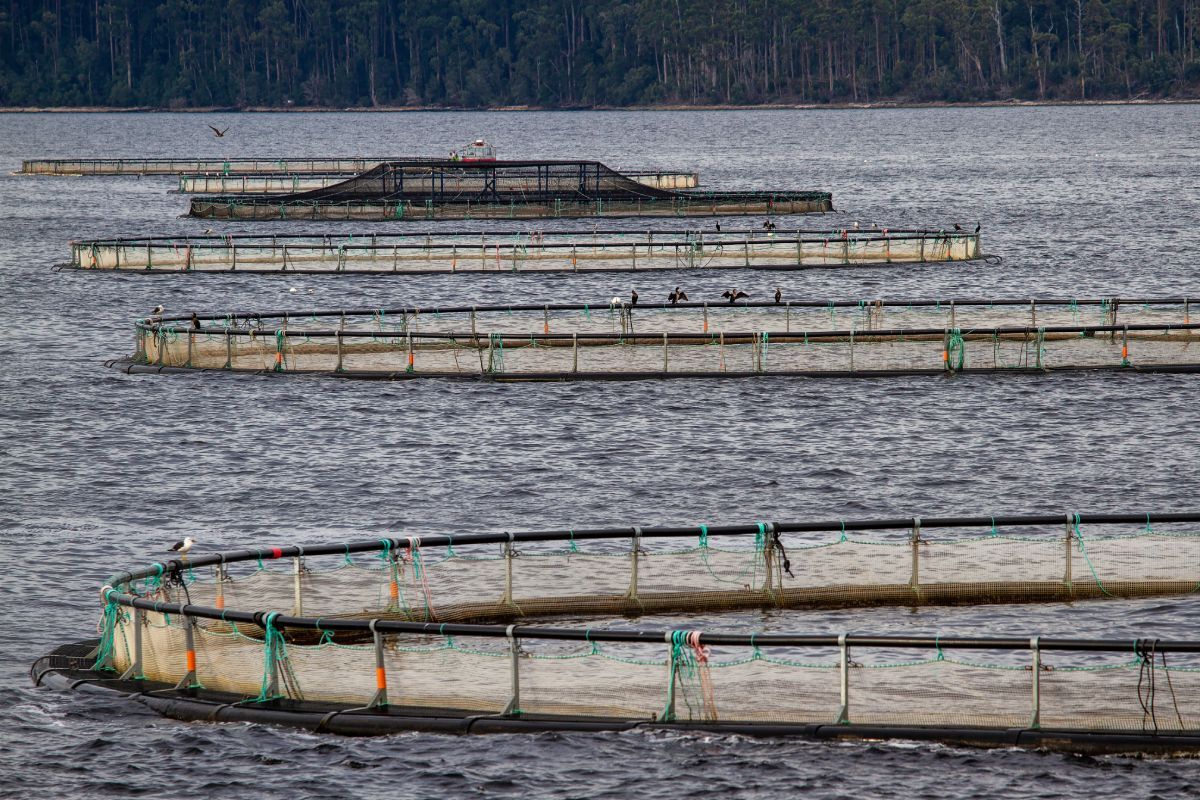
New South Wales pumping in big time investment
Two months ago the New South Wales government announced an AUS $20 million (£10m) Aquaculture Industry Development programme to strengthen the state’s seafood sector.
It is designed to boost productivity and increase sustainability across farming operations for oysters, mussels, kelp, and algae, plus freshwater and marine fish hatcheries, and bioproducts.
By investing in sustainability and productivity, the Minns Government is helping future-proof the industry, attract investment, and ensure regional communities continue to benefit from a strong, resilient seafood sector.
The vision was developed by the NSW Government, with close input from industry and experts to deliver a strategic pathway to achieve the goal of doubling the state’s aquaculture production to AUS $300m (£152m) by 2030.
Tara Moriarty, the state Minister for Agriculture, said: “This programme will deliver real economic benefits and jobs to regional and coastal communities by helping seafood businesses grow and become more efficient.
“This is a great opportunity for regional aquaculture and commercial fishing businesses to tap into the growing national and global appetite for high-quality protein.
“It means the industry can innovate and look at growing the exciting new developments in seaweed, algae, and freshwater and marine bioproducts.
The president of NSW Farmers, Xavier Martin added: “As the sector recovers, this programme will help ensure industry can manage the risks and take advantage of opportunities in the coming years and decades, through the sustainable development of our natural resources and support for innovation.”
Why not try these links to see what our Fish Farmer AI can tell you.
(Please note this is an experimental service)
You May Also Like





© 2026 Fish Farmer.