



Seafood in a spin over Trump's tariff move
Nordic and UK seafood exporters have been thrown into total confusion over President Trump’s latest move on tariffs.
It all started when Trump was forced to abandon his previous policy of imposing variable penalties after the US Supreme Court, on Friday, ruled that he had exceeded his constitutional authority by imposing tariffs without the consent of Congress.


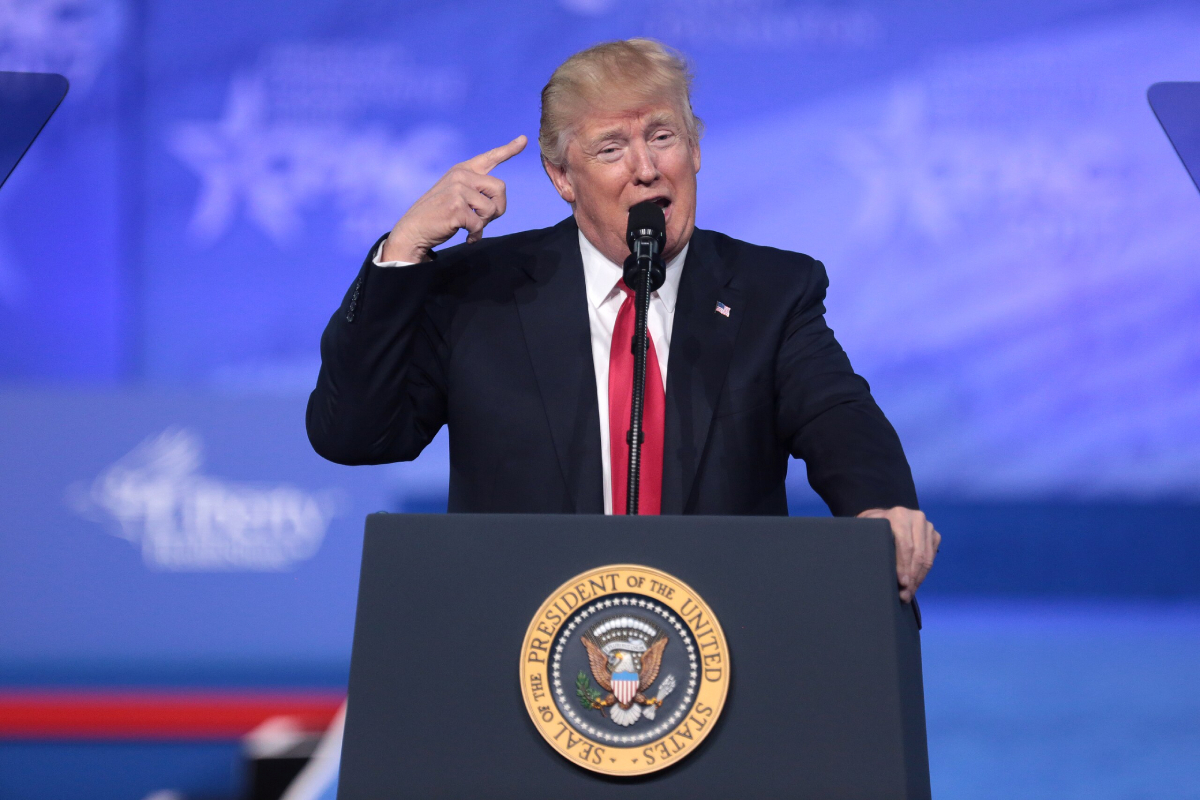
"Over the past 24 hours, things have happened quickly in the US, and the unrest continues".
He then came out with a blanket 10% levy on all imports, which meant Norway and Iceland were on level terms with rival salmon exporters such as Scotland, Chile and the Faroes.
A few hours later he decided to raise this to 15% which, in theory at least, meant it was going to cost Scottish salmon companies 5% extra to sell into North America.
But the UK struck a special deal with Trump last year, so it remains unclear if it still stands.
This gave Scottish salmon a considerable advantage over Norway, even though much of the fish was being produced by the same companies.
No one yet know if Trump will change his mind again or if his latest move will also be declared illegal, which leaves the seafood industry total perplexed.
But it is having a damaging effect on some countries.
Norwegian seafood sales into North America, mainly salmon, dropped by 37% last month compared to January 2025, higher sales to China and the rest of the Far East is compensating for some of the deficit.
Christian Chramer, CEO of the Norwegian Seafood Council, said that high and unpredictable tariffs and a weaker dollar had created great uncertainty and challenges for his country in the USA, which remains its largest fillet market for both salmon and trout.
He added that the importance of the US as a fillet market has already had consequences for the Norwegian fillet industry and for seafood in general.
Norway’s Trade and Industry Minister Cecilie Myrset said: “We live in unpredictable times, which also affect trade policy. Over the past 24 hours, things have happened quickly in the US, and the unrest continues. We are looking into the details and what this means for business.”
Why not try these links to see what our Fish Farmer AI can tell you.
(Please note this is an experimental service)
Marine Operative - Bakkafrost Scotland Limited
Isle of Benbecula£35,677.16 per annum
Marine Operative - Net Washing North (7 days on/off) - Bakkafrost Scotland Limited
Isle of Benbecula£31,065.37 per annum
Senior Marine Operative - Net Washing North (7 days on/off) - Bakkafrost Scotland Limited
Isle of Benbecula£39,996.66 per annum
Marine Site Manager - Bakkafrost Scotland Limited
IV51 9DD£63,551.13 per annum
Marine Operative - Net Washing South (7 days on/off) - Bakkafrost Scotland Limited
PA30 8ET£29,033.05 per annum
You May Also Like


Sign up to our daily Newsletters
Permission Statement

Yes! I would like to be sent emails from Fish Farmer Magazine
I understand that my personal information will not be shared with any third parties, and will only be used to provide me with useful targeted articles as indicated.
I'm also aware that I can un-subscribe at any point either from each email notification or on My Account screen.
Accept
Cancel


© 2026 Fish Farmer.