




Missed connections: conference fails to grasp the issues around wild salmon decline
A conference on the threats faced by wild salmon had reached its conclusions before discussion even began, as Dr Martin Jaffa reports.


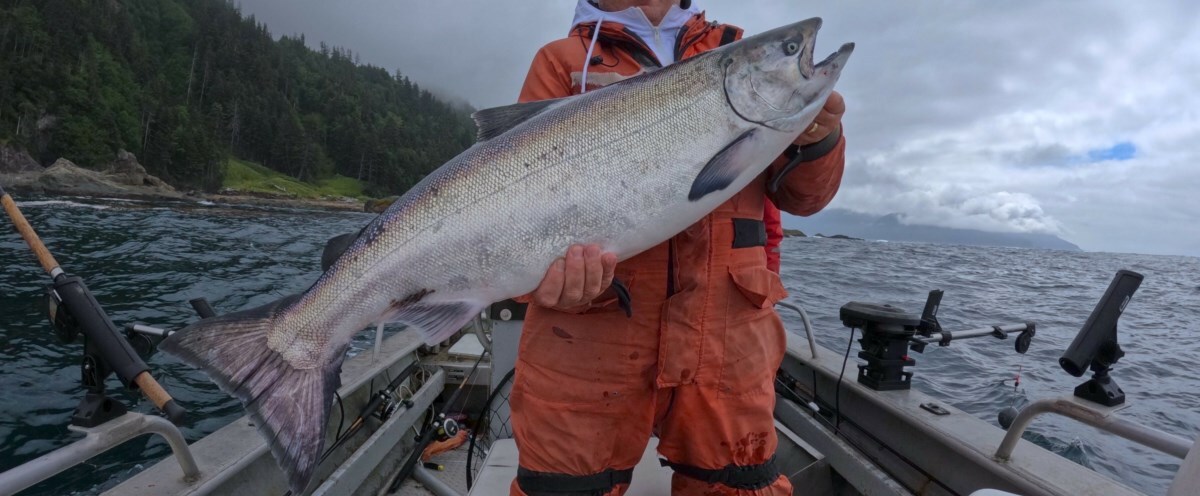
At the end of January, a couple of hundred guests from the wild fish sector congregated at Fishmongers Hall in central London for the three-day “Wild Salmon Connections” conference.
The purpose of this event, as described by the organisers, is that wild salmon are in crisis but there is hope.
Wild Salmon Connections aimed to tell the story of wild salmon and nature to inspire urgent action; enable positive solutions to promote wild salmon recovery; and accelerate nature restoration for salmon, people and the planet. Thanks to my good friends in the Fishmongers’ Company, who thought I should attend, I managed to obtain tickets.
Whilst the stated aims of the conference sounded honourable, the truth was that this was a love-in event for anglers whilst also being anything but love for salmon farming. I often hear the NGOs say that salmon farming is just one of a number of factors affecting wild salmon but the clear message from within this conference is that salmon farming was wild salmon’s number one enemy.
This was reflected in the list of attendees to this invitation-only event, which included two from the Global Salmon Farming Resistance, three from (outdoor clothing group) Patagonia, two from Feedback Global and a couple of other names who equally aren’t interested in salmon restoration, just attacking the salmon farm industry.
I am not going to name any names, but delegates were welcomed with an address that highlighted that such conferences are typically described as being a preordained echo chamber but the organisers of “Wild Salmon Connections” were determined that this was not to be one of these. Sadly, this is exactly what it was.
The welcome address continued that “…we are looking for active solutions and to develop connections”, although from my perspective it didn’t seem like that. Participants were asked to consider “how they could contribute to the solutions so that they can be actually delivered”.
The address ended by saying that the room contained the most influential wild salmon people in the Northern Hemisphere. Looking at the list of attendees, then all I could think is that if these are the most influential people then it is no wonder that wild salmon are in crisis.
The programme was very mixed but included several case studies such as the recovery of wild salmon in the River Tyne. In fact, the main theme was that every river catchment is different, and the focus should be on improving rivers catchment by catchment. Yet, at the same time, the data presented by a representative of the ICES Working Group on Salmon painted a bleak picture of ever-declining numbers of salmon returning to their home rivers. If this is so, then no matter how much improvement is made to catchments, if there are fewer returning salmon every year then numbers overall will not recover.
One of the most interesting talks concerned by-catch of salmon at sea, both as smolts and adult fish. The point was made that there is still no dedicated research on salmon by-catch, which might seem surprising given that salmon have been in decline for more than 50 years.
Of course, this is not really of any surprise at all. How often do the wild salmon sector say that there are factors that can be easily remedied and those that can’t? As salmon farming is considered to be one of the easiest factors to remedy, this is where the focus remains. Yet, by-catch is monitored for other species, so it is unclear why salmon is not also on the agenda. One reason given is that salmon are not considered to be a marine species and therefore are not tracked like other marine fish. However, as the speaker highlighted – no-one from the wild fish sector is doing anything about it.
Of course, they are not doing anything about it because as we all know all the research is focused on one subject – and that is salmon farming. Yet, although the conference programme had just one section which covered aquaculture with three speakers, it was a topic that kept recurring throughout the conference.
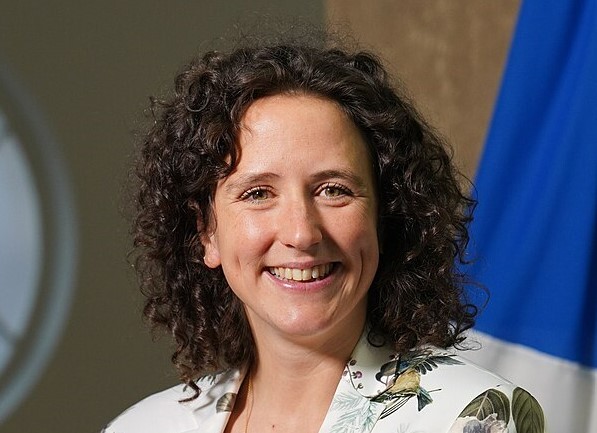
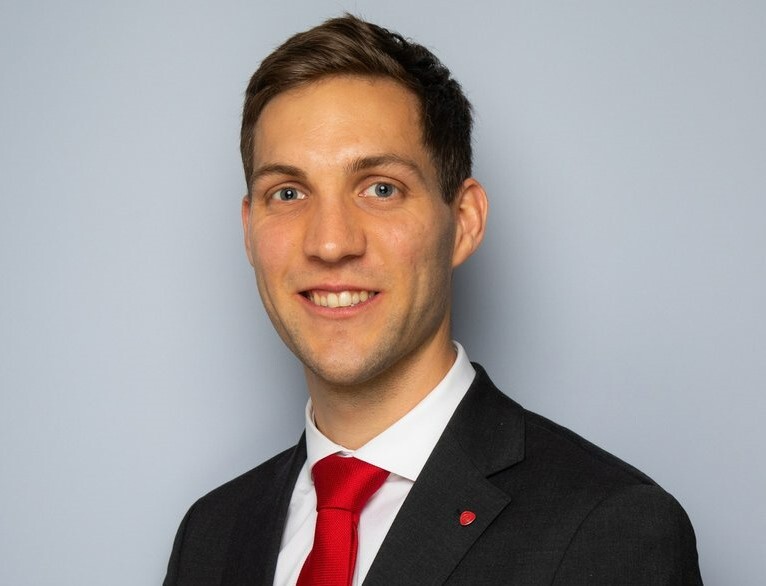
Salmon farming was also the main subject of questions put to the Norwegian Minister of Climate & Environment, Andreas Bjelland Eriksen (who attended in person) and the Scottish Cabinet Secretary, Mairi Gougeon, who appeared online due to other commitments in Edinburgh.
When questioned by the moderator as to when she was going to remove net pens from Scottish waters, the Cabinet Secretary indicated she wasn’t, and her comment was followed by a very noticeable negative intake of breath from the room. It seems that removal of net pens is the only solution that is acceptable to those attending this conference.
The first presenter in the section on salmon farming spoke about “The Biggest Threat to Wild Salmon in Norway”. However, there was no direct evidence provided that linked the decline of wild salmon to salmon farming. It was all conjecture. The second speaker came from Scotland but most of the audience didn’t seem interested in the forms of potential mitigation discussed. Their interest was only in total elimination of salmon farming from the sea. The third speaker came from Norway with news of his development of closed containment in the sea, yet even this didn’t seem enough for many.
Unlike the section on by-catch, the speakers on salmon farming held a panel discussion together with a representative from the Atlantic Salmon Federation. Why he joined the panel is unclear, but then nothing to do with salmon farming at this conference was clear.
Unlike other panel discussions, a request was made prior to the session for questions to be made in advance even though the audience had not heard the content of the presentations. How anyone could ask a question in advance is unclear, but it seemed that the organisers were keen to avoid questions from anyone who might challenge what was said in terms of the alleged impacts of salmon farming on wild fish. They were certainly aware that there were one or two people in the room who might make such a challenge. Instead, the moderator was keen to push the closed containment agenda.
Angling: the taboo topic
To be fair, some other factors affecting wild salmon were mentioned. There were presentations on dams, inshore fisheries and climate change. However, there was one potential impact that was not raised at all and that was exploitation, whether in terms of netting or angling.
Angling was discussed in a small section on the “value of salmon and their habitat”. There were two talks on the “Value of Angling”: one from east coast Canada and the other from the UK. According to the presentation, salmon angling in the UK is worth £79.9 million and creates 4,300 equivalent full-time jobs. The value of each salmon can reach up to £18,000 and this value is said to help local economies.
However, it was stressed that the real value of angling is that anglers are the real guardians of the rivers. They sacrifice time and money engaging in citizen science; carrying out practical conservation; identifying potential bottle necks and advocating for the protection of wild salmon. In addition, it was said that the value of anglers is that there are lots of them which gives them political influence.
Sadly, this political influence does work to some extent. Anglers are failing to persuade government that British rivers need to be urgently cleaned but in Scotland, their lobbying means that salmon farming remains high on the political agenda. This is evidenced by the recent Rural Affairs Committee inquiry. Yet at the same time, every river remains open for business as usual despite salmon’s threatened status.
What was clear from this three-day meeting is that until the link between the protection of wild fish and angling is broken, then whatever the hopes and aspirations of this Wild Salmon Connections conference, wild salmon remain firmly on the road to extinction.
Why not try these links to see what our Fish Farmer AI can tell you.
(Please note this is an experimental service)
You May Also Like




© 2026 Fish Farmer.