




The seafood trends driving rapid change in 2026
Following its conference in January, the Norwegian Seafood Council (NSC) says the year ahead is likely to be defined by rapid transformation across the seafood industry, with evolving sales channels, a greater emphasis on health and nutrition, and shifting demographics all set to play a role.
While technology and AI will continue to move at pace through the seafood value chain, offering an advantage to companies and markets that use these insights effectively, demographics are also changing the picture.


An ageing population with more disposable income are striving for longevity, and with a growing interest in nutrition and quality, as well as a stronger link between food and lifestyle, seafood is on a trajectory to gain this year.
The conference heard that along with these trends, Asia continues to drive global growth. Urbanisation and a rising middle class fuel a strong preference for fresh and healthy seafood, and with most of the increase in purchasing power concentrated here, the region will set much of the pace for 2026.
Seafood and longevity
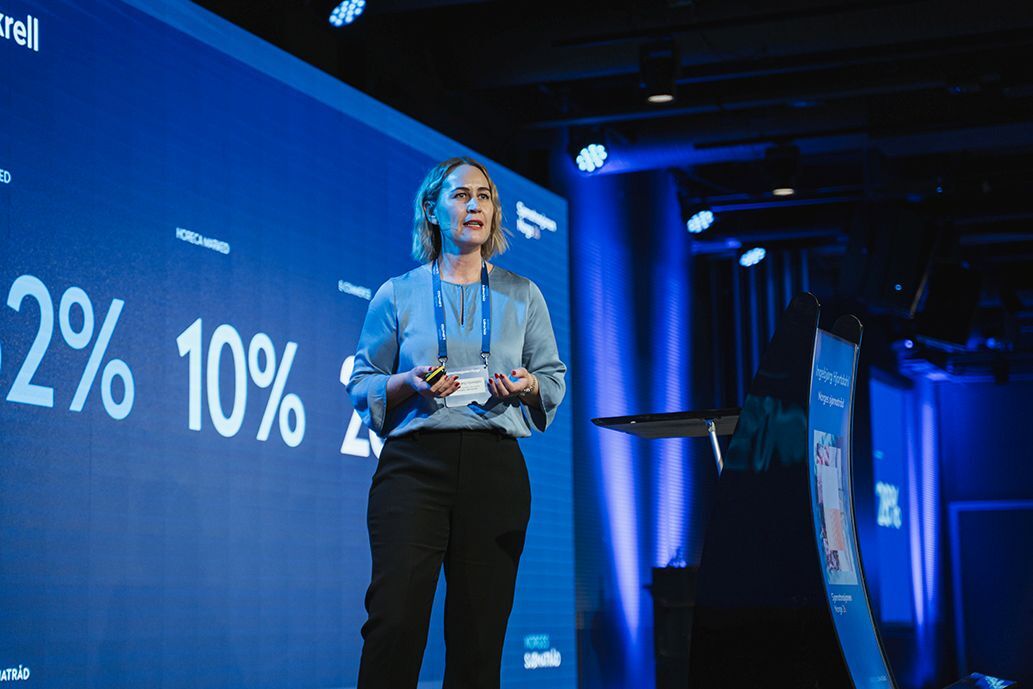
Speaking at the conference, Louise Byg Kongsholm, CEO of trends institute Pej Gruppen, highlighted how longevity is reshaping consumer priorities, saying the shift moves us from an ‘experience economy’ to a ‘transformation economy’, where investing in sleep, nutrition, mental balance, and stress reduction becomes the ultimate luxury.
Consumers are also increasingly seeking practical solutions, such as clean-label products, protein-rich meals and tools that help them make better micro-choices every day. This shift will be important for the future of seafood consumption, says Byg Kongsholm, with its high-quality protein and omega‑3, as well as vitamin and mineral content the body can use without the need for pills or powders.
According to research led by Dan Buettner and National Geographic into the world’s so-called ‘Blue Zones’ – where people frequently live longer than 100 years – communities with the longest lifespans share these traits: daily movement, low stress, and diets rich in plant-based foods and seafood. This presents the industry with a strong opportunity to strengthen seafood’s position as the go-to source for a longer, better – and tastier – life.
Asian market growth and key trends
Asia is moving fast digitally and culturally, and this extends to how people buy seafood. From fan‑driven engagement in South Korea to rapid market expansion in China, consumers are shaping demand through health, convenience, and digital behaviour.
With a 91% market share for salmon and 88% for mackerel in South Korea, Norway enters 2026 with momentum. But staying relevant means following consumers where they are – online.
According to NSC country director in South Korea Ingebjørg Hjortdahl: “Ecommerce is now a major sales channel for seafood, covering 15% of fresh salmon and nearly 30% of mackerel. Fresh fish delivered to consumers’ doors has become a marker of trust and quality. For a society with more than 10 million single households, convenience, health, and portion‑friendly solutions matter – and seafood fits naturally into this lifestyle.”
China also continues to strengthen its position, with the export value of Norwegian seafood rising from NOK 8.5 billion in 2023 to NOK 12.3 billion in 2025, even as volumes remain stable. Salmon is the main growth driver, giving Norway a 57% market share. If current momentum continues, China could become the world’s second‑largest salmon market in 2026.
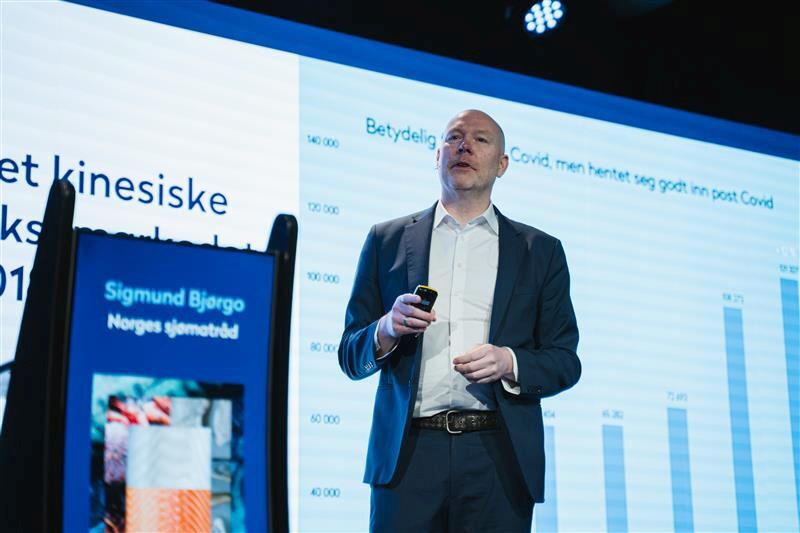
According to NSC country director in China Sigmund Bjørgo: “Growth is fuelled by competitive salmon prices, a rapidly expanding middle class and increased distribution in smaller Chinese cities. Modern retail, neighbourhood stores, and online channels make salmon easy to buy.”
A structural shift is reshaping demand, with home consumption now exceeding restaurant sales and online retail larger than offline. In China there are at least 20-25 licensed sashimi factories preparing fillet and packed salmon for ready‑to‑eat formats. Bjørgo expects the capacity to potentially double by the end of 2026.
With the middle class predicted to expand from 184 million people in 2025 to more than 250 million by 2030, and current salmon per‑capita consumption at only 100 grams, the market remains in an early phase, with significant room for growth.
Livestreaming and visual food trends
Across Asia, social media platforms are changing the way a new generation engages with seafood; the purchasing journey often starts on social media, with live commerce now a fully established marketplace.
Gen Z are seeking out food that feels meaningful and looks good online.
In South Korea, a mukbang – a livestreamed video where the host eats (often large quantities of) food while interacting with viewers – featuring Norwegian salmon went viral, prompting retail sales to increase by 27% in two weeks. Further to this, a single livestream sold more than two tonnes of mackerel in under an hour.
These are clear examples of how transparency and entertainment build trust, and visual food trends translate directly into consumer behaviour.
In China, digital visibility is essential, with social commerce a “powerful sales engine” and “livestreaming on platforms such as TikTok has become a significant channel for salmon”, according to Bjørgo.
Together, these forces point to a year of adaptability and opportunity, with those willing to embrace change most likely to reap the rewards.
Why not try these links to see what our Fish Farmer AI can tell you.
(Please note this is an experimental service)
You May Also Like






© 2026 Fish Farmer.