




Soil Association puts salmon industry on notice: improve or else
The Soil Association, which sets standards for certified organic salmon in the UK, has warned it will withdraw from the sector if “meaningful progress” is not delivered in the next year.


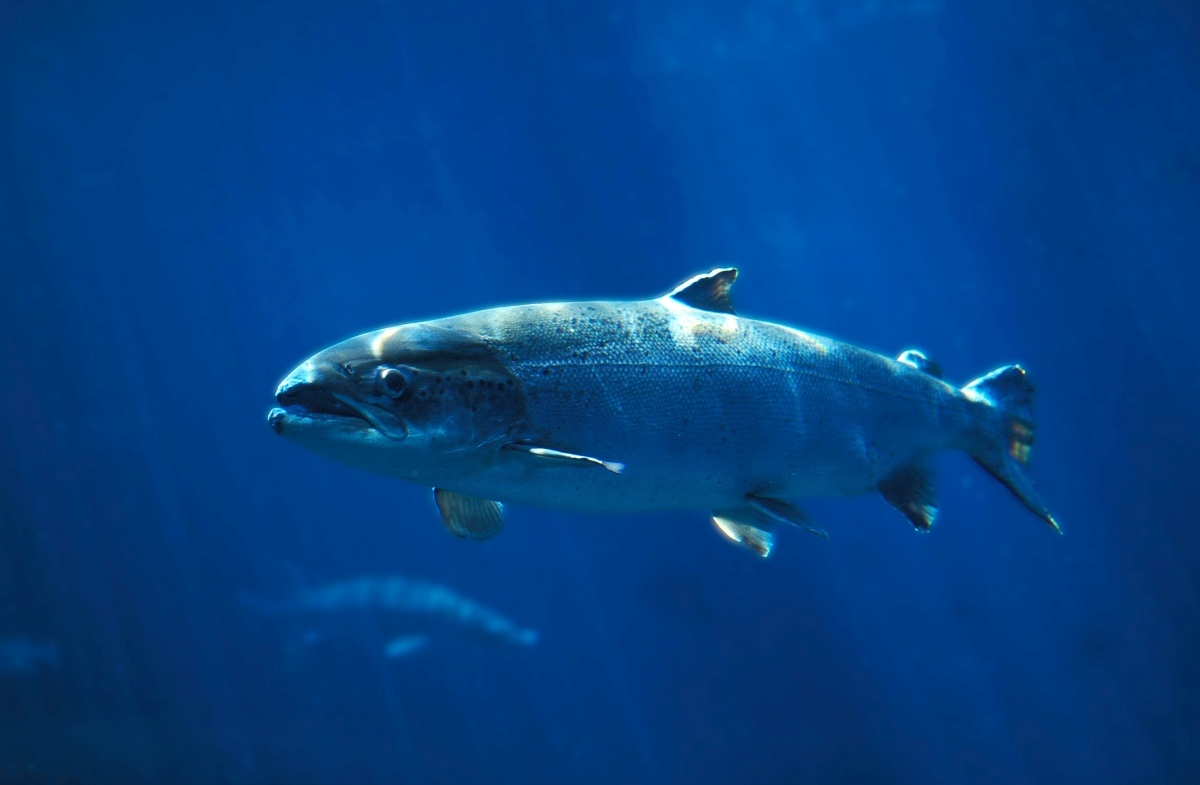
The charity has just finished an 18-month review looking at welfare and environmental problems facing salmon farms across the entire Scottish salmon farming industry.
While it acknowledges that farmed salmon come under the strictest standards in the industry as a whole, and also argues that these have driven positive change on non-organic sites, the current standards are not going far enough.
The review calls for a change in standards to better address welfare and environmental issues, alongside strong action and commitment from the industry and government.
The Soil Association said it is seeking substantial reform in relation to some of the most pressing problems, including further actions – in the next year – to improve welfare, tackle mass mortality, ensure feed is more sustainable, and stop chemical veterinary treatments being released into the sea.
Soil Association Managing Director James Cashmore said: “The message from our research was clear – the risks to fish welfare and environmental outcomes on organic salmon farms are not at a level that we can accept. Delivering a good life for farmed animals and care for the natural world are at the heart of organic.
"Although we are proud to say that we have been driving standards up on salmon farms across the Scottish industry for more than 20 years, our evaluation has revealed there’s more we could do. But we also need to see concerted commitment from Scottish Government and wider industry to ensure the wide-ranging impact that’s needed. We’ve therefore identified key areas of reform that we consider essential over the next year. If we don’t see meaningful progress within a year, we will need to withdraw our involvement in setting organic standards for salmon.”
Action to drive up standards on salmon farms
Proposed changes to Soil Association organic standards include taking a tougher stance on mass mortality events with work to prevent them. If they do occur, after just two events suspension and a full site suitability reassessment would be required. This would come alongside a new suite of welfare checks, in addition to the daily checks already carried out.
The Association has also said that it does not believe salmon farming can be sustainable in the long term while it depends on deltamethrin, a persistent chemical used as a vet treatment. Its proposals therefore include a phase out of deltamethrin, with the first step to prevent it from being released into the marine environment within the next 12 months.
Deltamethrin is already heavily restricted and can only be used as a last resort a maximum of twice per year on organic farms, and emamectin benzoate and avermectin, which the Soil Association describes as two of the most harmful veterinary medicine treatments used by the sector, are already banned.The charity says that implementing this first step in phasing deltamethrin out is essential to its continued involvement in the sector – and that this is dependent on commitments from producers and government to rapidly progress technologies that enable safe disposal of deltamethrin without any risk to other organisms.
Stricter rules around where salmon farms can be located are also proposed, particularly to reduce the risk they may pose to the globally important wild salmon runs and maerl habitats in Scottish waters.
Under the proposals, Soil Association certified salmon producers would no longer be permitted to use whole fish from certified sustainable fisheries and instead only able to use sustainably sourced waste and trimmings to feed salmon in marine sites. Ingredients from sustainably sourced waste and trimmings are already prioritised in organic, so this proposal would go further in preventing fish being caught primarily to feed farmed salmon, the Association said.
The proposals call for the Scottish Government to take action around regulation on site suitability, sea lice, and mortality, alongside legislation that would set specific baseline standards for the welfare of farmed fish.
These policy changes are needed, the Soil Association says, as the biggest challenges faced by organic farms are sector-wide.
Soil Association Chief Executive Helen Browning added: “We would like to thank everyone including our licensees, the experts who provided insights on our Farmed Salmon Welfare Panel and campaigners who fed into this review. We know there are some who want to see Soil Association withdraw from the sector, but our research has shown there is a possible route to getting organic salmon farms onto a more sustainable footing while giving organic fish a good life. While the sector is due to expand with high consumer and export demand for salmon, we believe it’s important to lead the way in this change as it would greatly benefit our oceans and farmed fish if progress can be made at pace.”
The Soil Association will be consulting with the salmon industry and Scottish Government over the coming weeks to share the proposals and layout the pathway for change, and hopes to confirm that work will start on the proposals this summer.
Why not try these links to see what our Fish Farmer AI can tell you.
(Please note this is an experimental service)
You May Also Like





© 2026 Fish Farmer.