




More work needed on salmon welfare, says new report
The Norwegian Food Safety Authority says that while several aquaculture operators have improved their management systems, further improvements are needed.
Its latest report suggests that the sector must work more systematically and proactively to ensure good fish welfare.


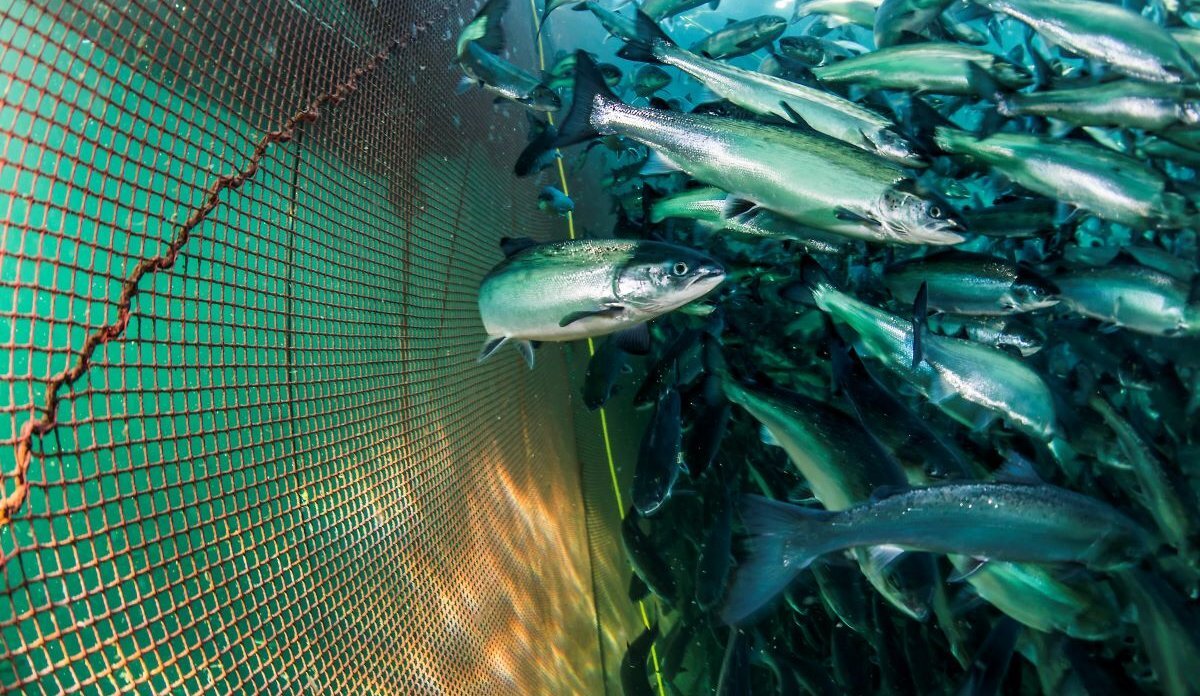
The authority has issued its findings after conducting 20 system audits throughout 2024 and 2025.
The audits allow the authority to examine whether fish farming companies have systems, routines and internal controls that meet the regulatory requirements for good animal welfare and animal health.
A company audit also includes verification inspections at 10-15% of the company’s locations. The purpose is to check maps and terrain, and whether the company’s overall plans and systems are translated into uniform practices at the edge of the cage.
Irja Viste-Ollestad, head of the innovation, methods and analysis department in the Norwegian Food Safety Authority’s aquaculture inspection division, said: “There are improvements and we are experiencing good dialogue about the system audits.
"At the same time, we still see that the work is not systematic enough and is not preventative enough. The industry therefore has some way to go.”
The authority says there is a large gap in how well companies understand the regulations. After 20 system audits, it sees several consistent weaknesses.
Among them are that animal welfare is rarely set as specific goals: such goals are often linked to production, not animal welfare. Risk management was fragmented with few businesses having a comprehensive and up-to-date risk picture.
The authority also found deviations are closed early, often without investigating the root causes, with welfare used too little in governance.
Overall, this makes it more difficult to prevent incidents or reduce the severity when incidents occur, says Viste-Ollestad.
Why not try these links to see what our Fish Farmer AI can tell you.
(Please note this is an experimental service)
You May Also Like




© 2026 Fish Farmer.