ao link

European aquaculture and fishing recovering from barrage of crises – report
Aquaculture and fishing in the European Union have faced a series of seismic shocks over the past five years which has made both sectors “tremble”, says a new report.

Linked InXFacebook
bookmark_borderSave to Library
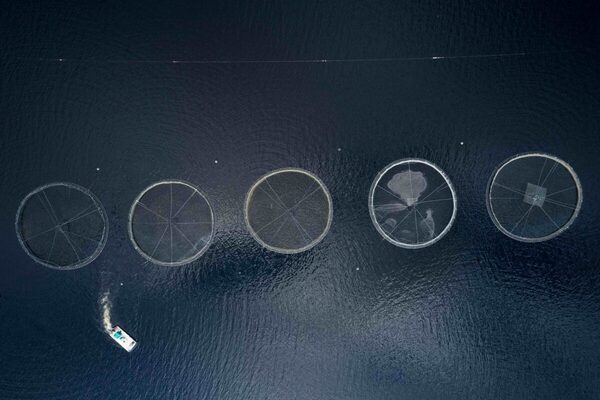
fish-farm-Ionian-Sea-AdobeStock_541831405-20241209.jpg
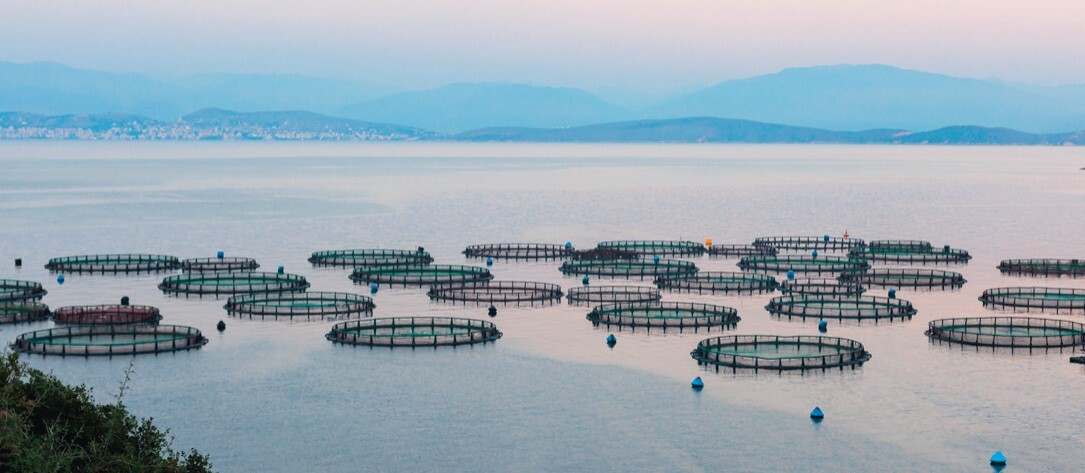
Fish farm, Greece

The very different crises started with Brexit, followed by Covid and the Russian invasion of Ukraine, says EUMOFA, the European Market Observatory for Fisheries and Aquaculture.


The report, Impact of the COVID-19 Pandemic, Brexit, and the Russian War of Aggression against Ukraine on the EU Fishery and Aquaculture Sector, says Covid-19 caused the most abrupt short term disruption, leading to the collapse of foodservice demand, combined with labour shortages and logistical bottlenecks, strongly affecting fresh and live products, while retail demand increased for frozen, processed and shelf-stable seafood.


During the pandemic, demand for fresh fish dropped suddenly as restaurants closed. At the same time, supermarket sales surged. People began buying more frozen and canned fish, products that last longer and were easier to store.

All this and Brexit too...

But Brexit has had longer-term structural effects on EU-UK trade. Although tariff-free trade was preserved under the Trade and Cooperation Agreement, new customs procedures, sanitary controls and documentation requirements have increased administrative costs and reduced the fluidity of trade, particularly for fresh products.


“While EU support helped cover some immediate costs—especially in Ireland, the Netherlands, Belgium, and France—administrative requirements remained higher, particularly for smaller businesses and EU member states,” the report says.


“For many companies, changing transport routes, including relying less on the UK land bridge, became a permanent rather than a temporary adjustment.”


EUMOFA adds: “Russia’s war of aggression against Ukraine significantly increased energy, fuel, feed and transport costs.


“Fishing boats rely heavily on fuel. Fish farms need electricity to run pumps and feeding systems. Processing plants depend on energy for refrigeration, packaging, and transport. When energy prices surged after 2022, the impact rippled across the entire system


“These cost pressures have raised prices along the supply chain and affected both fishing operations and aquaculture production.”


Yet despite these overlapping shocks, both sectors have demonstrated strong resilience and adaptability.


 Firms have diversified supply chains, expanded frozen and value-added products, and adjusted marketing channels, while EU policy instruments have supported crisis management and the transition toward a more resilient and sustainable sector.


The study was featured yesterday at the EUMOFA Talk, “Navigating Uncertainty: Building a Resilient EU Market for Fisheries and Aquaculture Products,” part of Seafood Expo Global in Barcelona.

Linked InXFacebook
bookmark_borderSave to Library
Add New Comment
You must be logged in to comment.
Trainee Health & Safety Advisor - Mowi Scotland
Western IslesWestern Isles£28,000 to £30,000 per annum£28,000 to £30,000 per annum

Farm Technician (Laga Bay) - Mowi Scotland
Acharacle, LochaberAcharacle, Lochaber£28,258 to £31,648 per annum£28,258 to £31,648 per annum

Environmental Field Scientist (Fort William) - Mowi Scotland
Fort William, LochaberFort William, LochaberSalary On ApplicationSalary On Application

Feed Operations Technician (ROC - Fort William) - Mowi Scotland
Fort William, LochaberFort William, Lochaber£30,387 to £34,032 per annum£30,387 to £34,032 per annum

Farm Technician (Kingairloch) - Mowi Scotland
Camasnacroise, LochaberCamasnacroise, Lochaber£28,258 to £31,648 per annum£28,258 to £31,648 per annum
Fish Farmer Magazine
IPSO
Facebook
X
Linked In

© 2026 Fish Farmer.