
ao link

Dogfish joins list of salmon farm threats
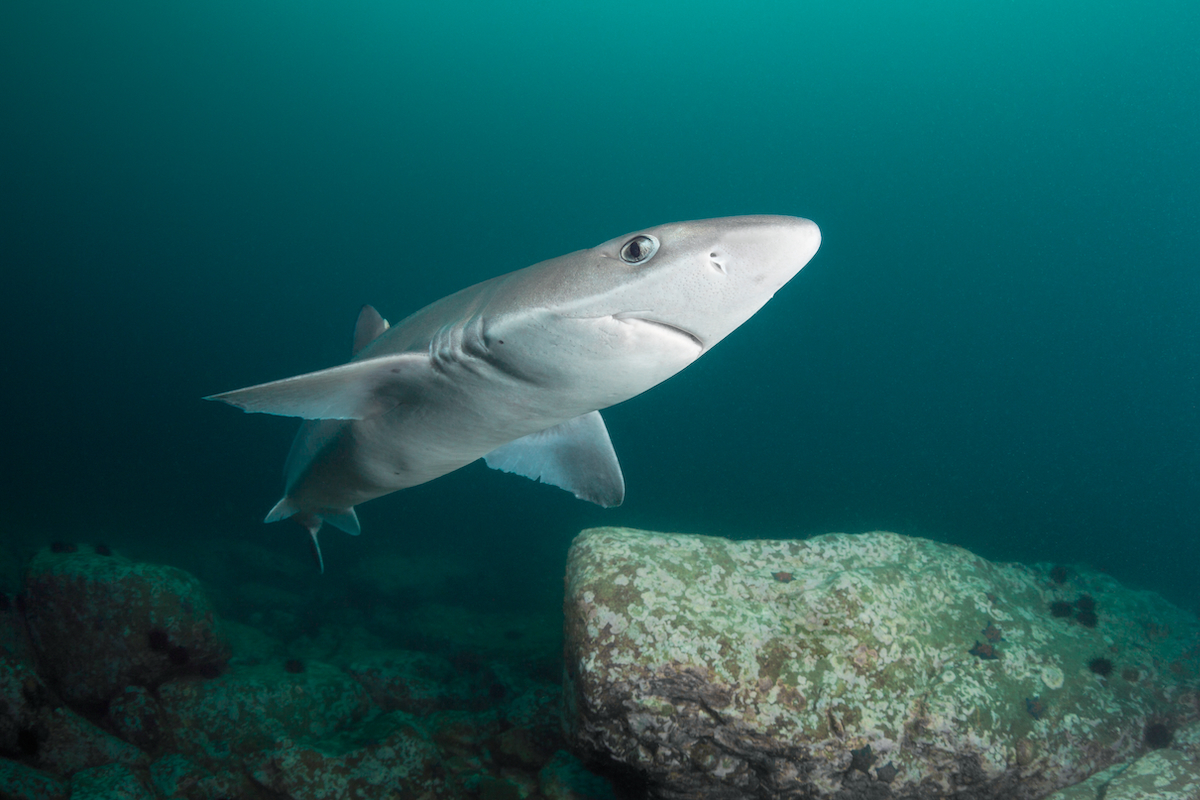
First it was bluefish tuna (aka “mackerel sturgeon”) breaking into salmon cages and causing problems. Now dogfish, a member of the shark order, has joined the intruder list. 

Linked InXFacebook
bookmark_borderSave to Library
dogfish AdobeStock 32231473 web
Dogfish seem to have turned their attention to salmon cages

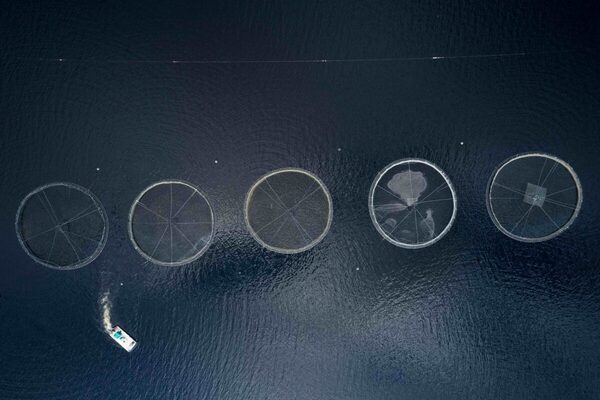
In Norway this week, dogfish attacked a facility in Namsos municipality in Trøndelag, causing damage and injuries and leading to escapes.


The Norwegian Directorate of Fisheries describes the damage as being quite extensive.


It says the salmon in the cage in question are about two kilos in size. The company has had a recapture net out, but this fishery has been terminated, among other things, because dogfish were being caught up in the net too.


The Directorate adds: “It is too early to say anything about the extent of the escape.”


It says it is following up on the matter with supervision, and has inspected the facility. It is also asking fish farmers in vulnerable areas to ensure they have good control over the collection of dead fish.


“Fish treatment should also primarily take place during the day as dogfish are more active and aggressive at night," it adds.


In the London fish market, dogfish (Squalidae) are referred to as “rock salmon”. They were frequently sold in city fish and chip shops in the 1930s and 1940s – and even later than that. 


They usually grow to the size of a small shark (100cm-125cm) and are very powerful, which is why they are able to break into salmon nets in search of food, along with sturgeon and other large fish. Dogfish apparently got their name from their habit of hunting in packs.


Large predator fish, of which there are a number of different types, have become an added problem for fish farmers over the past couple of years.


Meanwhile, there is better news on the general escape front. The Directorate says that a new study shows fewer escaped farmed fish from hatcheries have been detected compared to previous similar research projects. The results indicate that stricter technical requirements, and increased attention to escape prevention, have had the desired effect.


On behalf of the Directorate, NORCE LFI carried out electrofishing in 2024 and 2025 at 32 hatchery facilities in Rogaland and Vestland. Compared to similar surveys in 2015 and 2017, fewer discoveries of escaped fish were made this time.


Electrofishing is a suitable method for demonstrating that escapes have occurred, but a lack of findings cannot be used to rule out that escape incidents have occurred, the Directorate warns, and it emphasises that there is still continued potential for improvement.

Linked InXFacebook
bookmark_borderSave to Library
Add New Comment
You must be logged in to comment.
HGV Driver - Mowi Scotland
RosythRosythSalary On ApplicationSalary On Application

Hygiene Department Trainer (Night Shift Monday to Friday) - Mowi Scotland
RosythRosythSalary On ApplicationSalary On Application

Broodstock Technician (Ardessie) - Mowi Scotland
Garve, Wester RossGarve, Wester Ross£28,258 to £35,265 per annum£28,258 to £35,265 per annum

Trainee Health & Safety Advisor - Mowi Scotland
Western IslesWestern Isles£28,000 to £30,000 per annum£28,000 to £30,000 per annum

Farm Technician (Laga Bay) - Mowi Scotland
Acharacle, LochaberAcharacle, Lochaber£28,258 to £31,648 per annum£28,258 to £31,648 per annum
Fish Farmer Magazine
IPSO
Facebook
X
Linked In

© 2026 Fish Farmer.