




Algal bloom turns seas off Shetland bright turquoise
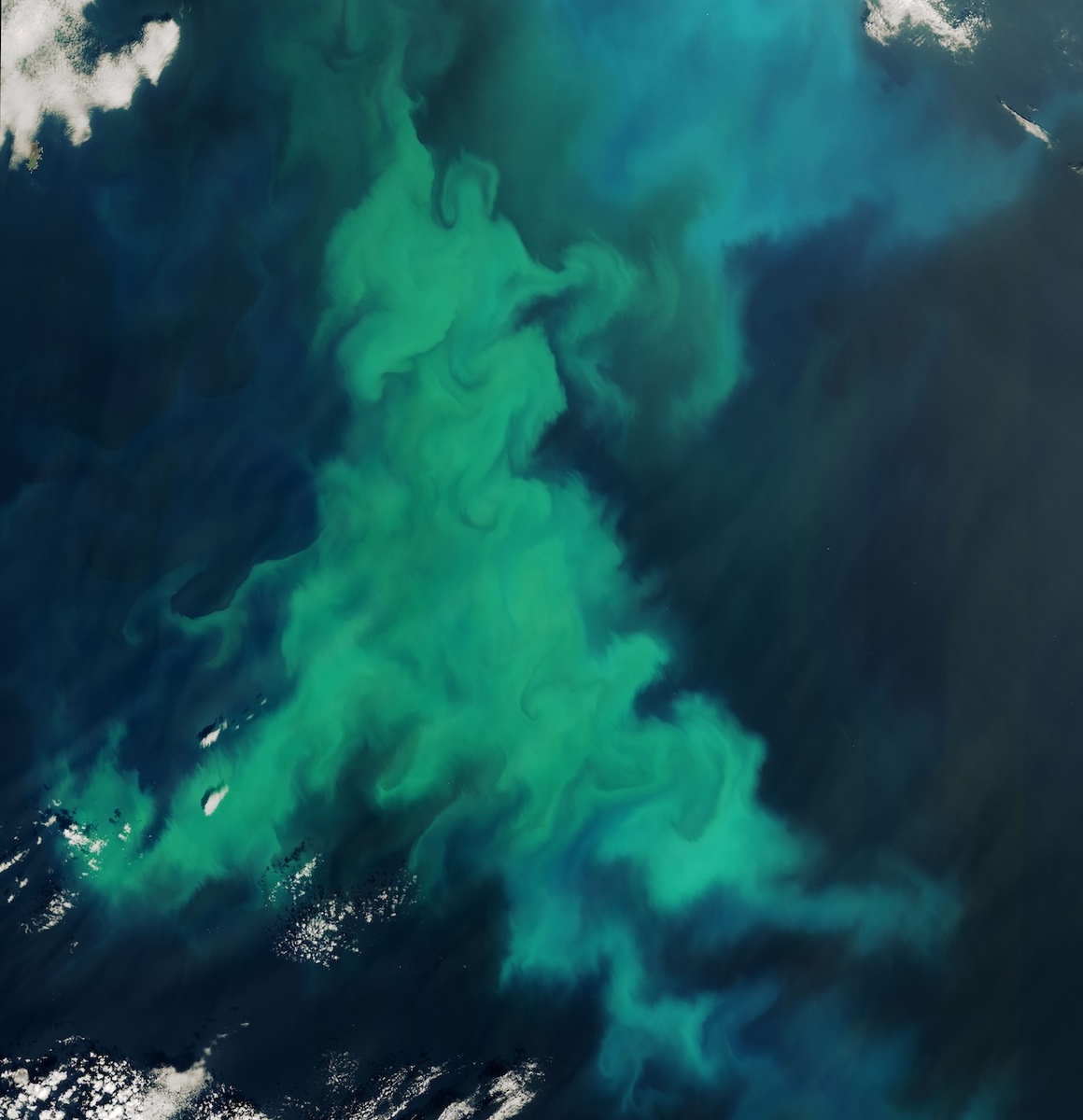
The bloom as seen from space. Photo NASA
Please Login/register for FREE to continue reading Fish Farmer
Your FREE registration gives you access to all our content: news and feature articles, regular and special guest columnists, Fish Farmer Magazine e-editions, yearbooks, archives, videos and more
or if you are already registered
Use the Login Box Below
(Can't remember your password? Click Here to reset your password
Team Leader (Logistics) - Mowi Scotland
RosythSalary On Application
Broodstock Operative - Bakkafrost Scotland Limited
HS3 3HB£26,436.80 per annum
Automation Project Engineer - Bakkafrost Scotland Limited
IV54 8XH£54,750 per annum
Husbandry Operative, Loch Melfort, Argyll - Kames
Oban£27,500 to £30,500 per annum
Fish Husbandry Operative, Isle of Skye. Accommodation provided. - Kames
Dunvegan, Isle of Skye£29,000 to £31,000 per annum
You May Also Like






© 2026 Fish Farmer.