




World feed industry hit record output in 2025
Global production of feed for aquaculture grew by 4.7% last year, according to the latest report from feed giant Alltech.


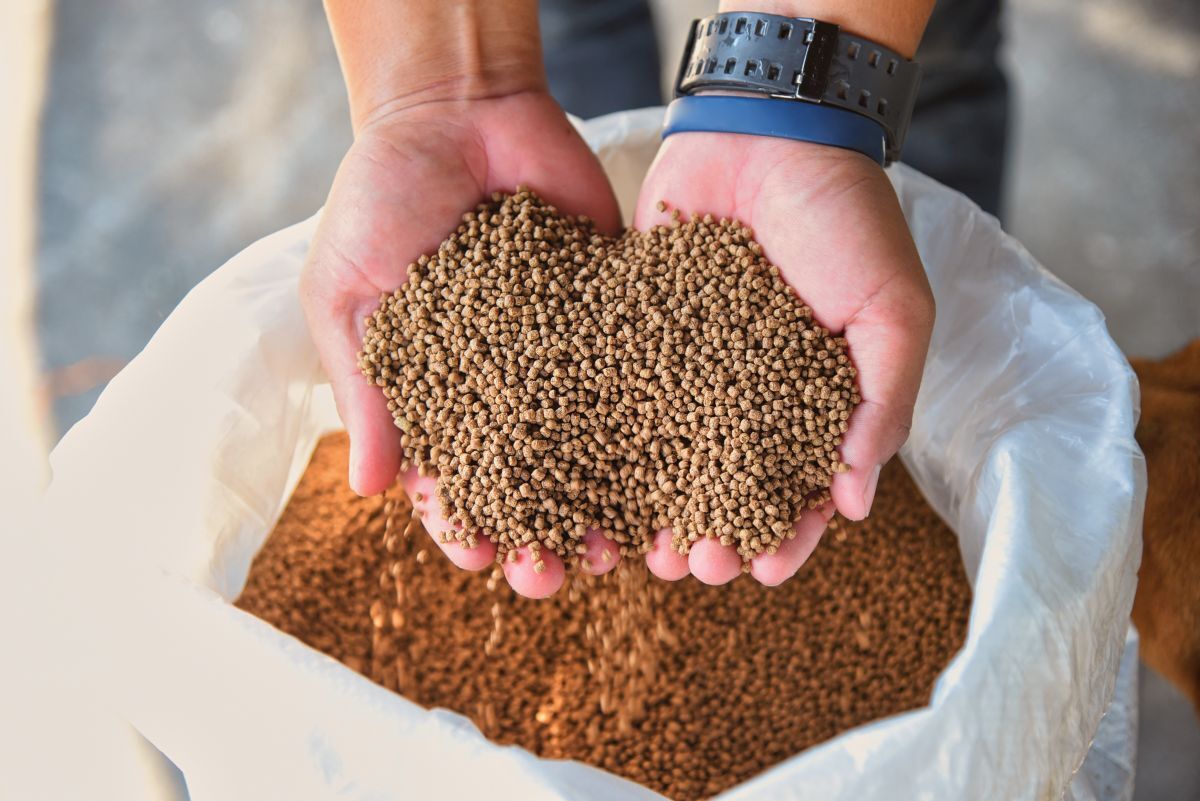
Alltech’s 2026 Agri-Food Outlook, an annual report based on a global survey of feed mills, carried out in partnership with trade associations around the world, shows that aquafeed output reached 55.470 million metric tons.
Feed production was up in all of the leading producer countries apart from the US, Japan and Spain. The biggest increase in production was seen in China, up 4.8%.
Global feed production in 2025 reached an estimated total of 1.44 billion metric tons (mt) — representing an increase of 2.9% and 40.136 million mt from 2024. Most regions and sectors experienced growth, and the numbers suggest a strong recovery phase for animal agriculture; however, the data show that growth was uneven, increasingly regionalized and driven less by herd expansion than by structural change, productivity gains and shifts in how production is measured and recorded.
Now in its 15th year, the annual survey that serves as the foundation of the Alltech Agri-Food Outlook report collected data from 142 countries and 38,837 feed mills in late 2025. By analysing compound feed production and prices — collected by Alltech’s global sales team and in partnership with feed associations and official data-collecting organizations — the survey provides a comprehensive snapshot of global feed production.
These insights, Alltech said, serve as a barometer for the overall livestock industry, highlighting key trends across species, along with regional challenges and opportunities for growth.
Top 10 countries
The top 10 feed-producing countries remained unchanged between 2024 and 2025. Altogether, those 10 countries (listed below) produced 65.2% of the world’s feed in 2025 — and 47.7% of all global feed tonnage was produced in the top three countries: China, the US and Brazil.
- China: 330.063 million mt; +4.8%
- US: 267.383 million mt; -0.8%
- Brazil: 89.904 million mt; +2.8%
- India: 57.729 million mt; +4.5%
- Mexico: 41.883 million mt; +1.2%
- Russia: 38.347 million mt; +1.1%
- Spain: 37.507 million mt; -3.4%
- Vietnam: 26.524 million mt; +2.6%
- Türkiye: 25.480 million mt; +3.8%
- Japan: 24.006 million mt; -1.3%
Global feed volume results by species
- Broiler: 400.379 million mt; +3.7%
- Layer: 180.126 million mt; +3.2%
- Pig: 380.907 million mt; +3.0%
- Dairy: 170.294 million mt; +2.6%
- Beef: 134.181 million mt; +0.5%
- Aquaculture: 55.470 million mt; +4.7%
- Pet: 39.276 million mt; +2.4%
- Equine: 10.194 million mt; +0.2%

Notable regional results
- Asia (559.297 million mt): Asia remained the global center of feed production in 2025, with growth shaped by industrialization and price-conscious consumers increasing the demand for poultry and aquaculture. Continued shifts from on-farm mixing to commercial feed, especially in China, supported a record output. Southeast Asia entered a rebuild-and-export cycle, with the recovery of the sow herd lifting pork output; additionally, while poultry feed tonnage also remained strong, disease outbreaks are now a consistent challenge and threat.
- North America (288.620 million mt): In 2025, North American feed tonnage contracted modestly (by 0.7%), primarily due to a historically tight cattle cycle and declining beef herd dynamics. The region still saw some selective, species-driven momentum, with growth concentrated in broilers and dairy. Stabilization also emerged in pork feed, and the egg and turkey sectors remained in recovery following health-related disruptions. Operational efficiency gains, sustainability pressures, formulation optimization, and consolidation among feed mills continue to reshape the feed industry across the region.
- Europe (274.061 million mt): Europe’s feed sector in 2025 was differentiated, yet broadly resilient, growing by 1.0%. Lower raw material prices, supported by large global harvests of soybeans, rapeseed, wheat and maize, improved margins and stimulated production in several key markets. Despite ongoing disease pressure and regulatory constraints, the region stabilized overall. Modest gains in dairy and broilers offset pressure in other segments, while evolving trade frameworks and sustainability expectations continue to reshape production strategies across the region.
- Latin America (204.446 million mt): In 2025, Latin America solidified its position as the world’s premier “protein basket.” Compound feed demand expanded 2.8% year over year, rising by 5.536 million mt, supported by strong export markets and lower grain prices. Growth was broad-based, particularly in poultry, pork and aquaculture, although localized disruptions in parts of the Andean and Caribbean sub-regions tempered overall expansion.
- Africa and the Middle East (102.549 million mt): This region experienced a year of divergence in 2025. While Africa expanded strongly (+11.5%) on commercialization and rising compound feed penetration, the Middle East entered a structural plateau (+1.1%), balancing disease pressures and regulatory or resource constraints. Across both sub-regions, three forces shaped performance: protein affordability, input vulnerability driven by grain prices and currency volatility, and continued disease disruptions — particularly related to foot-and-mouth disease and avian influenza.
- Oceania (11.104 million mt): Oceania showed broad-based gains in 2025, with an overall 3.4% increase supported by population growth, resilient livestock sectors and strong export demand. Absolute increases were at their strongest in the broiler, layer, beef and pig sectors. High feedlot numbers and elevated cattle inventories sustained record beef production, particularly in Australia (+11%), with more moderate growth in New Zealand (+1.6%). Recovery in layer feeds following an avian influenza outbreak, along with steady demand for chicken and pork, contributed to a balanced regional expansion.
The compound feed production totals and prices reported in the 2026 Alltech Agri-Food Outlook were collected in the first quarter of 2026 with assistance from feed mills and industry and government entities around the world.
Why not try these links to see what our Fish Farmer AI can tell you.
(Please note this is an experimental service)
You May Also Like






© 2026 Fish Farmer.