




Why Spanish consumers are eating less seafood – but more salmon
Spain and seafood were once thought to be inseparable, but perhaps the love affair might be starting to wear a bit thin.
That is unless your preference is salmon, says a Norwegian Seafood Council report.


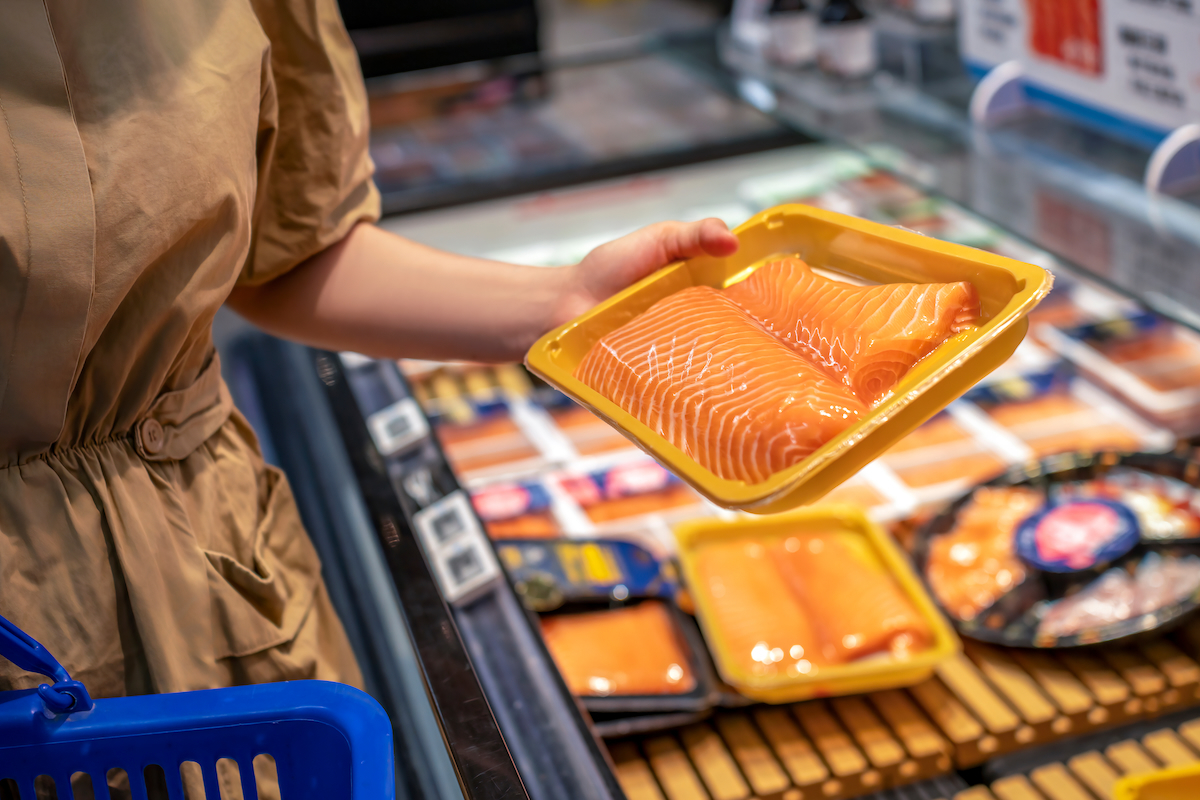
Cod, mackerel and salt fish may be sliding off the menu, but it seems the Spanish cannot get enough of the pink fish.
The report says that in the past ten years, Norwegian salmon exports to Spain have grown significantly in volume, and the value increased by almost 200%. Yet over the same period, total Spanish fish consumption has dropped by at least 30%. That is a big reduction.
In 2015, Spaniards ate an average of 26 kilos of fish per person per year. In 2024, consumption was down to 18 kilos. That’s a sizeable decrease by any measure.
Yet, over the same period, consumption of Norwegian salmon has increased significantly – by 17,000 tons.
This is yet another confirmation that salmon is highly popular in Spain, says the council’s seafood Spanish envoy, Tore Holvik.
In 2015, Norway exported approximately 65,000 tons of salmon to Spain at a value of NOK 2.8 billion (£207m).
By 2024, that figure had reached around 82,000 tons, worth more than NOK 8 billion (£590m).
In addition, the number of seafood served at various restaurants has increased in the past year, according to a report to the council from the market research analysis company, Circana.
The report compares 2023 with 2024, describing, among other things, what Spaniards have eaten, drank or ordered at various restaurants, how much and how often they have eaten, and how much they have paid.
Briefly summarised, the research suggests that over the past ten years Norwegian salmon exports to Spain have increased significantly, while fish consumption has decreased by almost a third.
It sort of begs the question – are Spaniards giving up their once favourite fish and switching to salmon instead?
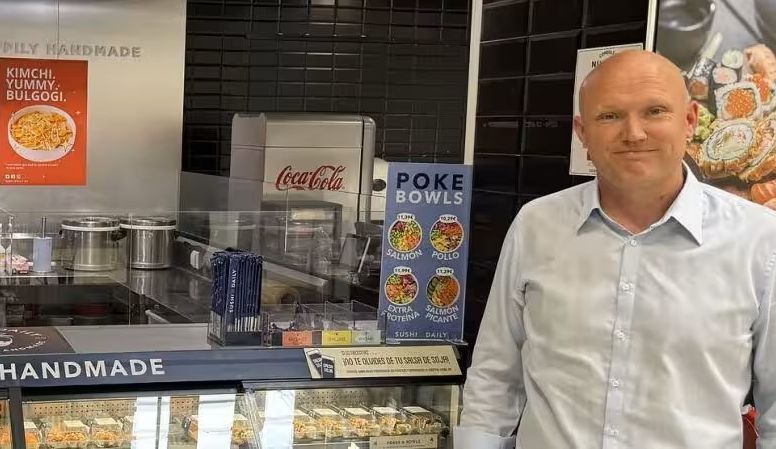
The report suggests that salmon now accounts for almost one in ten fish servings in Spanish restaurants, which was not the case just a decade ago.
The impact of (mainly British and European) tourists on what diners eat cannot be ignored either, although they are not specifically mentioned in the report. Most four-star hotels offer smoked salmon as part of their buffet tables.
It would also seem that the Spanish custom of long meal preparation may be on the way out.
The report finds that Spaniards are becoming more price-sensitive, often choosing quick and easy seafood dishes when eating at home.
Like most other European countries, inflation and the backwash from Covid are having an effect on spending.
The number of visits to Spanish restaurants has not returned to pre-pandemic levels. Inflation is playing a part in this, with people having to dig deeper to eat out.
At the same time, seven out of ten people are becoming worried about their own finances and job security, while six out of ten believe that prices at restaurants have increased far too much, a feeling shared in many other European countries.
People are more careful with their spending, and are more likely to look around for offers and promotions. In short, this means increased price sensitivity, including for seafood.
While the number of visits to so-called “full-service restaurants” and individual restaurants where people sit down and eat is decreasing, visits to fast-food chains are on the up.
Of these, familiar names such as McDonald’s, Burger King and KFC (Kentucky Fried Chicken) are leading the way. These chains are also taking an increasingly large share of the Spanish out-of-home consumption market, particularly among the young.
As with most other countries, Spain has not avoided rising costs or worries about making ends meet.
At the same time, the scanner data shows that Spaniards are increasingly choosing seafood dishes that are more or less ready-made, or quick and easy to make – and salmon fits that bill perfectly.
This category includes, for example, sushi, spicy fillets and fish burgers.
In the first half of 2025, the sales volume of processed fish increased by 4.3%, while sales of natural fish decreased by 5.2%.
Tore Holvik says: “Overall, and despite fluctuations, Norwegian salmon is among the species that is doing very well, whether in a restaurant or at home. It is about the fact that Norwegian salmon has developed a very strong preference among Spanish consumers.”
The report says the sushi wave has only just begun on the Iberian peninsular, with out-of-town dining increasing, especially at Asian and traditional restaurants. Holvik believes Norwegian salmon is well positioned for further growth in Spain due to the increase in popularity for sushi and poke.
In addition, demand for salmon as a ready-to-eat food in the form of sushi, sashimi and poke bowls is also increasing in hypermarkets and supermarkets. And he believes the sushi segment could also prove an exciting market for farmed cod.
Holvik also thinks there is potential to get even more salmon on menus at traditional restaurants.
More fish is served during the summer months when temperatures are very high, the survey also finds. This is where the potential for growth lies, says Holvik.
Why not try these links to see what our Fish Farmer AI can tell you.
(Please note this is an experimental service)
You May Also Like



Sign up to our daily Newsletters
Permission Statement

Yes! I would like to be sent emails from Fish Farmer Magazine
I understand that my personal information will not be shared with any third parties, and will only be used to provide me with useful targeted articles as indicated.
I'm also aware that I can un-subscribe at any point either from each email notification or on My Account screen.



© 2026 Fish Farmer.