




Opinion: Hooked on an idea
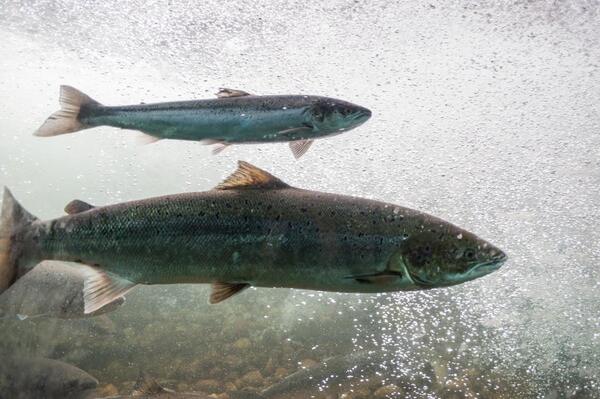
The latest provisional data shows wild salmon numbers are at an all-time low.


In 2025, just 28,933 salmon were caught by anglers, down from the previous low of 35,693 fish in 2021. As recently as 2010, anglers caught 111,405 fish, so the scale of the collapse is certainly dramatic. Nick Underdown of WildFish told the Daily Mail that “there is a real risk of salmon going extinct under our watch”.
As someone who has been working on wild salmon interactions for over 15 years, I can confirm that wild salmon are on course for local extinction. I would suggest that this is likely to be more of a reality than a probability simply because, rather surprisingly, no-one is doing anything to stop the decline.
The reason why is simple. As the Daily Mail points out, as well as being a disaster for the species, the decline also impacts the sport of salmon angling which has been previously estimated to be worth over £100 million a year. To the wild fish sector, which is effectively the angling sector, a ban on fishing would be unthinkable and so even though 2025 was the worst year for salmon on record, it is business as usual in 2026.
There is nothing different in the conservation regulations in 2026 from those in 2025 or several years before. Basically, those rivers that are now considered to have unsustainable stocks of salmon can continue to be fished, as long as the fish is returned. Yet the experience of the Aberdeenshire River Dee over 20 years of catch and release is that the numbers have continued to decline regardless.
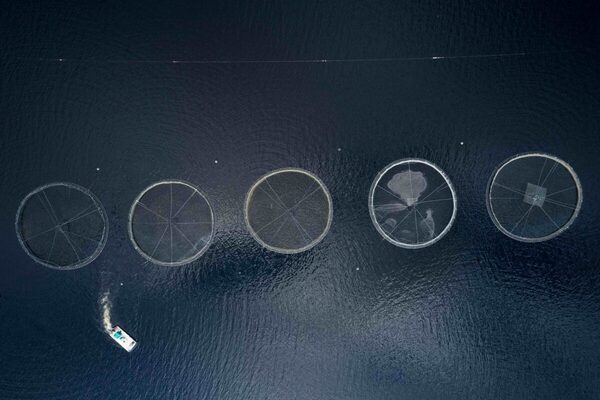
Meanwhile, whilst angling continues unabated, WildFish believes that the single largest threat to wild salmon comes from the growing number of salmon farms. Nick Underdown told the newspaper that these farms are reservoirs for disease and infestation of sea lice that can impact migrating fish.
WildFish has always been the most militant of the salmon conservation organisations, but others, who have previously suggested that salmon farming is just one of a number of factors causing the decline of wild salmon, are now raising the profile of aquaculture as a key cause of the problem.
There is no appetite for debate
I have always argued, much to the dismay of the wild salmon sector, that if they cared about the future of wild salmon, they would be willing to talk to anyone and everyone who believes that they can contribute to the debate. The reality is they are not. They certainly don’t want to talk to me, presumably because I can show that salmon farming is not the reason why wild salmon are in decline. Some have tried to make me out to be some extreme activist and then use this label as the reason why they don’t want to talk.
Why they don’t want to talk and discuss the issues is the million-dollar question. I can only assume that if salmon farming is shown not to be the reason why WildFish are in crisis, then the wild fish sector believes that the spotlight will be turned on them and that angling might be banned.
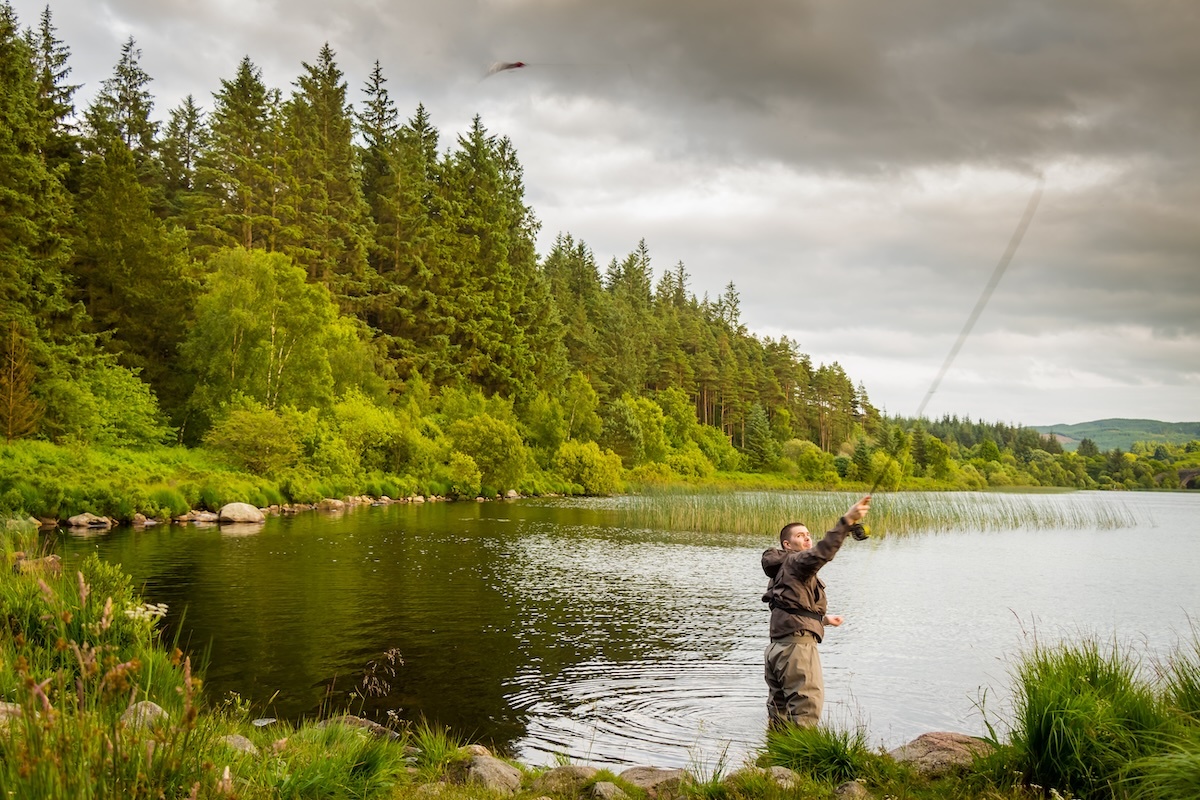
I personally do not believe that angling is the reason why wild fish are in decline, although catching and killing fish for sport cannot have helped. Since 1952 when records began, anglers have caught and killed around six million wild salmon and sea trout, all of which suffered a premature death before they could breed and propagate the next generations of young fish.
While WildFish argues that wild salmon are headed towards extinction, the obvious question is: what are they doing to help stop this disaster? The answer is to mount their “Off the Table” campaign aimed at persuading restaurants to take farmed salmon off their menus, in the mistaken belief that the loss of this business might convince the salmon farming industry to move to land-based farming and hence remove farmed salmon from the vicinity of the wild fish. Sadly, for them, taking salmon farms out of Scottish lochs will not help avert the continued decline of this iconic species because, as all the evidence shows, salmon farming is not the reason why wild salmon are in decline.
Meanwhile, prompted by the wild fish sector and their friendly scientists, the Scottish Government has commissioned the Scottish Environment Protection Agency (SEPA) to develop regulation to control sea lice on salmon farms with the aim of protecting wild salmon.
This expensive white elephant is doomed to failure, as a similar form of regulation in Norway has shown. The Norwegian “traffic light” system has been controlling sea lice on salmon farms for nearly ten years yet wild salmon in Norway remain in crisis. In Norway, the wild salmon sector is equally reticent to talk about it.
The writing is very much on the wall, with the message that Scottish rivers may soon be devoid of wild salmon. Whilst the wild salmon sector is keen to blame salmon farming, it is the wild salmon sector who must accept the ultimate responsibility because they are so blinkered to the possibility that they may be wrong.
Why not try these links to see what our Fish Farmer AI can tell you.
(Please note this is an experimental service)
You May Also Like




© 2026 Fish Farmer.