



Consultation launched on stricter salmon standards
A series of proposals to boost animal welfare and tackle the environmental impacts of organic salmon farms have been outlined in a new public consultation from the Soil Association.
Last year the association, which sets standards for certified organic salmon, warned it would withdraw from the sector if meaningful progress was not delivered by this summer.


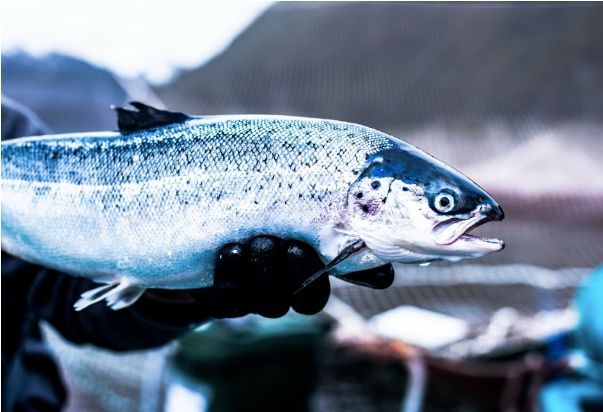
This “necessary progress” includes action to improve welfare, tackle mortality levels, enhance feed sustainability, and stop the release of veterinary medicines that are harmful in the marine environment.
As part of this process, the charity set out on a course to reform its organic salmon standards, which are already the strictest in the sector and have also driven positive change on non-organic sites.
Following on from already extensive research, including consultation with aquaculture experts, a series of proposals are now available for anyone with an interest in salmon farming to comment on, to inform future changes to Soil Association standards.
The consultation also seeks views and information on welfare and environmental challenges, to help future changes to standards and the wider review being carried out by the charity.
Soil Association Standards Director Sarah Compson said: “The message from our research into organic salmon farming was clear – animal welfare and environmental outcomes must improve. Our standards have contributed to improvements on Scottish salmon farms for more than 20 years, but we know there is more we can do.
“We have been working closely with aquaculture and welfare experts to help us shape proposals for changes to our standards that have the potential to deliver necessary progress. This consultation will help us to determine how successful these plans might be in achieving the wide-ranging impacts we are seeking, and also help us gather more information on issues that we believe are key to improved welfare and environmental outcomes.”
Stricter standards proposed
As well as asking for insights on how improvements could be delivered on organic salmon farms, the consultation asks for views on some proposed new standards. These include stricter and more detailed preventative management approaches to reduce the risk of injuries and mortality due to handling, disease, and pests.
Views are also being sought on a proposed ban on the use of deltamethrin as a veterinary medicine – which can currently only be used as a last resort for treatment of sea lice. The consultation will be assessing the feasibility, unintended consequences and potential timescales for such a ban.
Emamectin benzoate and azamethiphos, two of the most harmful veterinary medicines used by the sector, are already banned under Soil Association standards.
The new proposals also include increased monitoring and reporting on welfare outcomes of organic farmed salmon, as well as exploring further protections for important marine habitats in proximity to farm sites.
The consultation will close on Sunday 15 March.
To respond to the consultation or for updates on the ongoing review process, visit: www.soilassociation.org/salmonreview
Why not try these links to see what our Fish Farmer AI can tell you.
(Please note this is an experimental service)
You May Also Like



Sign up to our daily Newsletters
Permission Statement

Yes! I would like to be sent emails from Fish Farmer Magazine
I understand that my personal information will not be shared with any third parties, and will only be used to provide me with useful targeted articles as indicated.
I'm also aware that I can un-subscribe at any point either from each email notification or on My Account screen.


© 2026 Fish Farmer.