




Canada approves oyster broodstock imports to tackle disease crisis
The government of Canada has approved the import of disease-resistant oyster broodstock from the United States, as part of a package of emergency measures to save the oyster industry in Prince Edward Island (PEI).


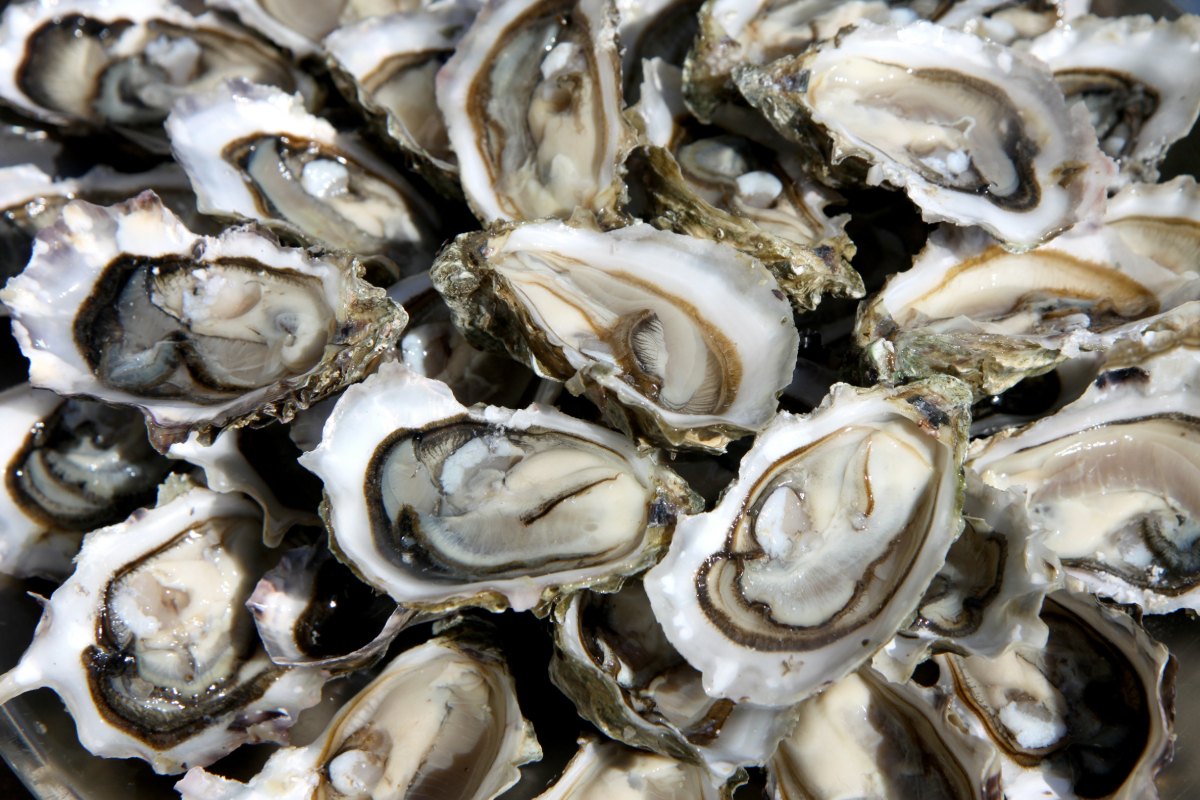
Farmers in PEI have been facing a double threat from two diseases, first detected in the region in 2024, which have led to high mortality rates in oysters and substantial losses for the entire sector.
Multinucleated Sphere Unknown (MSX) and Dermo (also known as Perkinsosis) pose no risks to human health or food safety, but they can cause decreased growth rates and increased oyster mortality. They do not affect other bivalves in this area, including mussels, scallops, or clams.
MSX was first confirmed in PEI in July 2024, and Dermo was first confirmed in PEI in July 2025.
To help farmers deal with these challenges, the Canadian Food Inspection Agency (CFIA) has approved the import of American oyster (Crassostrea virginica) broodstock from the US for the development of disease resistant oysters, with approval for disease-resistant oyster seed to follow in the coming weeks for aquaculture use in Atlantic Canada. The amount allocated for seed import approvals is expected to be approximately $1.5 million (£800,000).

The government has also allocated more than $4.2m (£23.25m) for investment in the industry, and will be supporting a licence buy-back scheme for licences affected by the disease outbreak.
It is also investing $130,000 (around £70,000) to develop a comprehensive strategy for Atlantic Canada’s oyster industry in response to the growing threat of MSX and Dermo diseases.
Joanne Thompson, Minister of Fisheries, said: “The oyster industry is facing serious challenges with MSX and Dermo. I have heard first-hand from the wild oyster industry about how these diseases are impacting their livelihoods. The licence buy-back will support affected wild oyster harvesters as they decide what comes next. Wild oysters are an iconic species deeply tied to fishing traditions, communities and culture and I will continue to support the industry.”
Peter Warris, Executive Director, Prince Edward Island Aquaculture Alliance, commented: “The PEI oyster industry has undergone an unprecedented period of successful development since 2009; driven by industry innovation and diligence, supported by federal and provincial investments. MSX and Dermo have caused worsening economic impacts since 2024, and the industry must transition away from natural seed collection to the use of hatchery seed. The Oyster Aquaculture Transition (OAT) Fund, delivered by the PEI Aquaculture Alliance, will assist Island oyster farmers with the increased expense of purchasing hatchery seed.”
Why not try these links to see what our Fish Farmer AI can tell you.
(Please note this is an experimental service)
You May Also Like




© 2026 Fish Farmer.