




Bacterial kidney disease suspected at Mowi site
Bacterial Kidney Disease (BKD) is suspected at a Mowi salmon farming site in Trondelag, Norway.


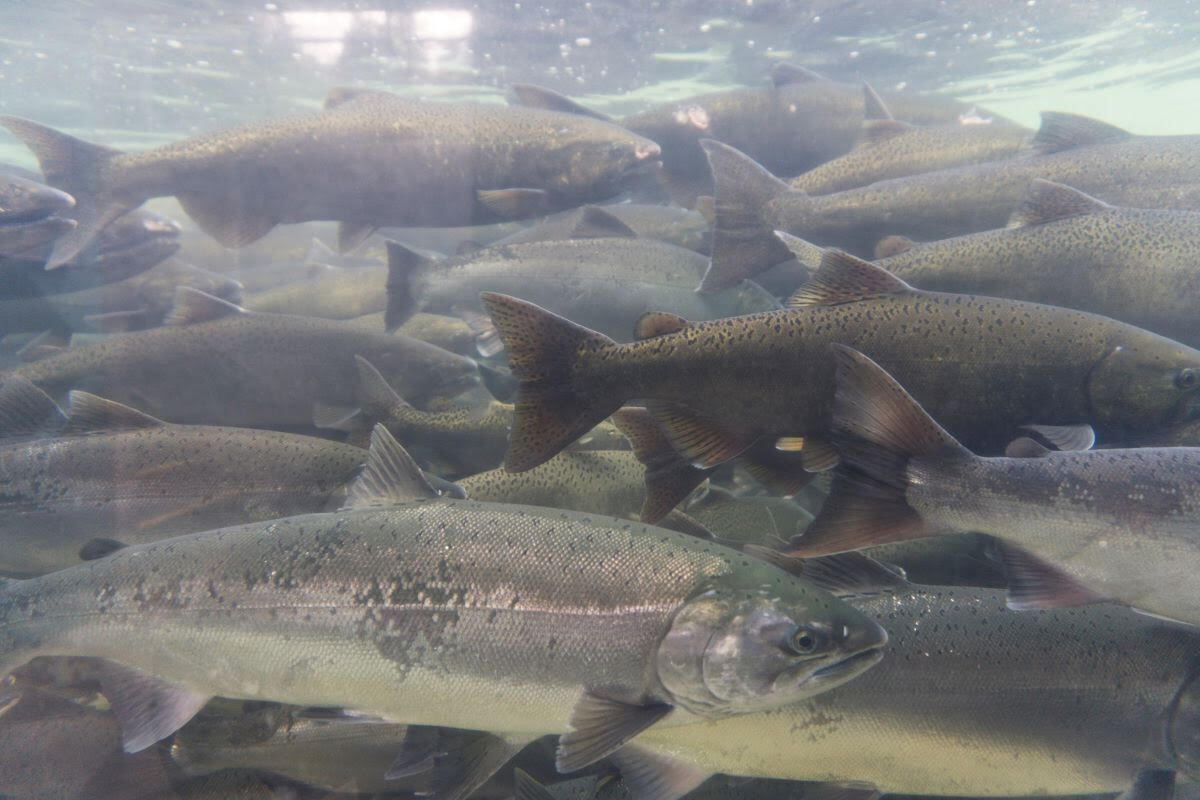
The Norwegian Food Safety Authority says that everyone who travels in the area and engages in activities related to fish farming must exercise the necessary care to avoid the spread of any disease.
The suspicion is based on samples taken during routine checks last week. Test results on January 16, 2026 gave grounds for suspicion of BKD in four fish.
Bacterial Kidney Disease (BKD) in salmon is serious, causing significant mortality (up to 80% in the case of Pacific salmon) and chronic losses in farmed and wild populations globally.
This can lead to economic impact, although it doesn’t affect humans. It is a persistent, slow-progressing bacterial infection causing lethargy, skin darkening, protruding eyes, and internal organ damage, with no easy treatment and requiring strict biosecurity to manage spread.
There is no outright cure and the economic damage can be high.
The Food Safety Authority said it will ensure that samples are taken and sent to the Veterinary Institute for possible verification and confirmation of the diagnosis.
To limit the spread of any infection, restrictions have been imposed on the location, including a ban on moving fish without special permission.
It also said farms in the area must be particularly vigilant for BKD during all health inspections.
It adds: “It is important to prevent further spread between farms or to wild fish through fish, equipment and boats.
“Equipment, boats and crew should not be shared between multiple aquaculture facilities. If this cannot be avoided, there should be routines for cleaning and disinfection.”
Why not try these links to see what our Fish Farmer AI can tell you.
(Please note this is an experimental service)
HGV Driver - Mowi Scotland
RosythSalary On Application
Hygiene Operative - Night - Bakkafrost Scotland Limited
Cairndow£33,273.52 per annum
HR Business Partner - Bakkafrost Scotland Limited
Cairndow£40,000 to £50,000 per annum
Deckhand (Mowi Storr) - Mowi Scotland
Skye & Lochalsh£28,258 to £31,648 per annum
Farm Technician (Tervine) - Mowi Scotland
Argyll & Bute£28,258 to £31,648 per annum
You May Also Like


Sign up to our daily Newsletters
Permission Statement

Yes! I would like to be sent emails from Fish Farmer Magazine
I understand that my personal information will not be shared with any third parties, and will only be used to provide me with useful targeted articles as indicated.
I'm also aware that I can un-subscribe at any point either from each email notification or on My Account screen.
Accept
Cancel



© 2026 Fish Farmer.