ao link

Report from Valencia: Aquaculture for all?
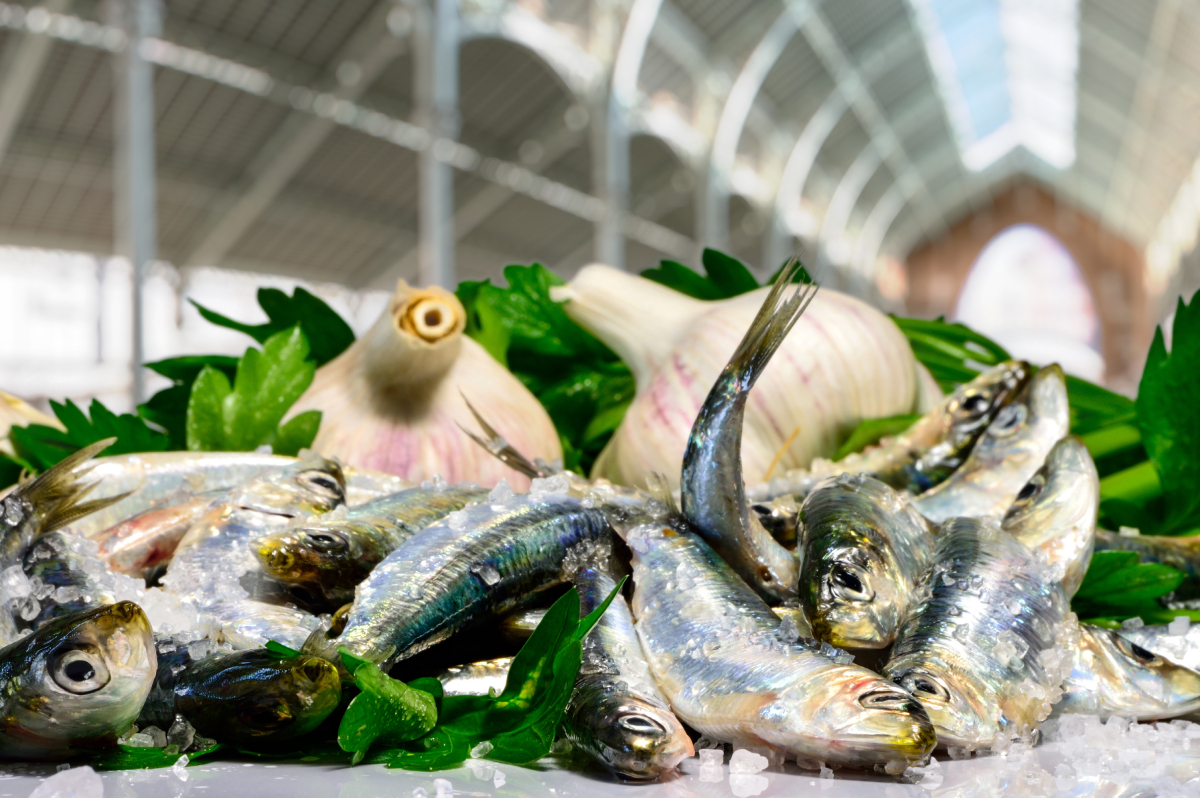
Whether you’re a top chef or curious tourist, step inside Valencia’s Mercado Central and you’re immediately hit by sights, sounds and scents of a vast selection of locally-produced food and drink.

Linked InXFacebook
fish at Valencia Mercado AdobeStock 1602146636 web
Fish at Valencia's Mercado

Its walls and roof of ornate iron and stained glass houses Europe’s largest fresh produce market. Valencian farmed sea bream and bass sit appetisingly alongside wild-caught seafood steeped in Spanish fishing tradition.


When you visit places like this it’s no surprise that Spain is the only country in Europe where seafood consumption isn’t declining, but rising.


On the other side of the city, for three days in September the sleek Valencia Conference Centre played host to a near record 3,000 delegates of Aquaculture Europe 2025.


Under the banner “aquaculture for all” the European Aquaculture Society’s annual conference brought together scientists, students, industry leaders and academics. The event highlighted Spain’s role as the largest aquaculture producer in the EU, and shone a spotlight on the opportunities – and urgent challenges – the European sector now faces.

Aquaculture Europe 2025 in numbers

  • 3 days in Valencia
  • 3,115 attendees including 381 students
  • 97 countries represented
  • 597 presentations in 57 sessions
  • 571 ePosters 
  • 155 booths at the international trade exhibition
  • 1,254 abstracts

The three plenary addresses were given this year by Dr Carlos M Duarte of the King Abdullah University of Science and Technology (KAUST), in Saudi Arabia; Dr Elisabetta Giuffra of the National Research Institute for Agriculture, Food and Environment (INRAE), France; and Joan Riera, of market research organisation Kantar Worldpanel.

From sustainability to regenerative aquaculture

Feeding the world is beyond the capacity of conventional food systems – which have traditionally relied on agriculture and wild-caught fisheries – making aquaculture “not a choice, but an imperative”.


That’s the view of Professor Carlos Duarte, distinguished Professor of Marine Sciences at King Abdullah University of Science and Technology in Saudi Arabia.


In his keynote speech to open the conference, he argued that human population and food systems are on a “collision trajectory”, food production is in the “red zone” and only aquaculture can fill the gap.


But it’s not enough for aquaculture to be sustainable by minimising impacts on the environment: industry needs to be actively contributing towards “betterment” of our seas and oceans.


Regenerative aquaculture operations – including low trophic species like seaweed that have a positive impact on ecosystems – are increasingly needed.


First introduced in Japan in the 1950s, 2,000km² of ocean space is dedicated to seaweed farming, mostly in Asia where the sector is thriving. While seaweed farming is politically popular there is no more than 1km² across the whole of Europe.


“It is mesmerising that it’s more difficult to get a concession for a hectare of a seaweed farm in Europe than to get a concession for oil and gas trading. So that is totally unacceptable, and it must change,” Prof Duarte said.


Fish farmers also need to reduce dependence on wild caught fish for fish meal and fish oil, replacing it with alternatives like seaweed that would release small pelagic fish for human consumption.


Using wild-caught fish to feed people rather than as an ingredient for fish feed could prevent between 500,000 and 750,000 deaths in middle and low income nations each year. It would also contribute to the United Nations’ sustainable development goals, particularly goal two – ending hunger. In fact the evidence shows global hunger is on the rise.


The regulatory environment in Europe and throughout the Western world is “adverse and aggressive towards aquaculture”. Policy-makers prioritise offshore wind and marine protected areas, with very little space left for aquaculture. “And yet aquaculture is the only viable pathway to feed the world with healthy and sufficient food for all.”


Aquaculture already produces more than half of all seafood, which is 12 times higher than the volume of production in 1970. Yet there is still deep scepticism about aquaculture and more work needs to be done to communicate the benefits and improve public perception of the industry.


“The public has come to accept that we have transformed about two-thirds of the planet, of the land area, for agriculture, for food production, yet they object to the transformation of even 1% of the ocean for aquaculture.”


Professor Duarte was open about the challenges facing industry and regulators, from impacts on the environment and wild fish through to organic pollution, disease, antibiotics and the use of medicines that need to be mitigated. The introduction of genetically modified animals is also “risky and unnecessary”.


“When history books discuss what happened in the 20th century, I believe it will not be AI [artificial intelligence], it will not be the Internet. It will be the time in which we learned how to produce food from the ocean in a safe and sustainable manner,” he concluded.

Carlos Duarte DSC 0018 photo EAS
Carlos Duarte

Europe losing global aquaculture market share

If the history books of the future will show global aquaculture as one of the most important innovations of our time, the news today tells a different story: one where Europe continues to lose market share to global competitors.


In 2023 Europe’s share of global aquaculture was just 3%. Only Norway was among the top ten aquaculture producers as Europe continues to underperform and lose market share. Norway’s nearest European rival, Turkey, is 18th in the world.


At a session on the UN’s Food and Agriculture Organization (FAO)’s new Guidelines for Sustainable Aquaculture (GSA) framework, one contributor highlighted that the European Union has a single market, a single currency, a common agricultural policy and a common fisheries policy, but no common aquaculture policy.


This inevitably leads to fragmented regulation and implementation at a member state level, leaving pan-European and international voluntary frameworks like the Guidelines for Sustainable Aquaculture to fill the gap.


“Sustainable aquaculture has the potential to provide enough healthy, nutrient-rich food for a world population expected to reach 9.7bn by 2050,” the FAO says.


But the lack of strategic coordination at EU level may explain the stalled growth of the European sector. Judging from some of the questions from the floor, whether the sector wants a Europe-wide regulation is another matter.

Deep water – nascent offshore aquaculture pushes new boundaries

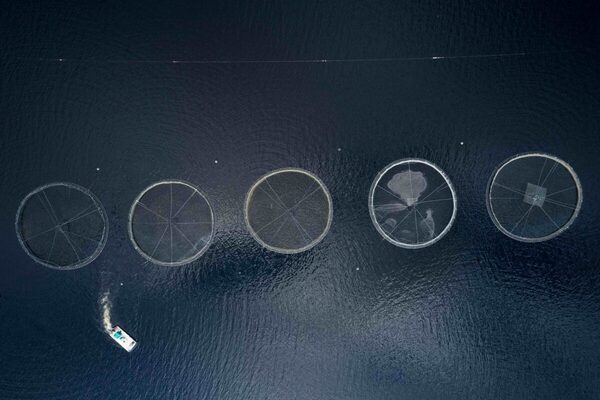
This year’s industry forum focused on one of the sector’s most promising – and challenging – issues: offshore aquaculture.


Kicking off the discussion, Dr Bela Buck, a marine biologist at Germany’s Alfred Wegener Institute, highlighted a basic challenge facing offshore development: a lack of shared definitions that can make planning and policy-making difficult.


The emerging consensus is that “offshore” aquaculture happens more than three nautical miles from land and beyond the visual horizon of 2.9 nautical miles. Along with many others, being out of sight of people on land may have the added benefit of reducing visual impact issues in the same way people consider offshore wind, oil and gas.


Working with the International Council for the Exploration of the Sea (ICES), a standardised exposure index that quantifies physical conditions – like wave height, current strength and water depth and quality – has been developed to understand how aquaculture systems will perform.


Of six different indices, the first two – exposure velocity index and the exposure energy index – are the most important. Beyond a certain level of wave height and current speed, offshore farms would not survive the sea conditions.


Next to speak was Dr Hans Bjelland, Research Director of Aquaculture at SINTEF, one of Europe’s largest independent research organisations and a member of the Independent Scientific Panel with Scotland’s Sustainable Aquaculture Innovation Centre (SAIC). He brought insights from the Norwegian salmon farming industry. Bjelland summarised the benefits of offshore salmon farming over nearshore in terms of better biology and better environmental impact leading to higher production.


Norway has begun designating official offshore production zones with the first three sites selected for ocean aquaculture, signalling that government policy is starting to catch up with industry ambitions.


Across Europe, Bjelland believes offshore aquaculture is relevant to a number of species including sea bream and bass in the Mediterranean and Bay of Biscay, as well as Orkney and Shetland in the north of Scotland.


The second session heard from companies actively looking to develop offshore fish farm infrastructure and sites in Norway, Spain and Portugal.


The experts discussed the myriad advantages and challenges of moving further offshore, including the eye-watering cost of development, with one project estimated to cost €65m – many times more than a conventional nearshore salmon farm.


The development of offshore salmon farming remains expensive, risky and slow, but there is plenty of appetite from existing farming companies and challenger companies to make this dream a reality over the coming decades.

AE25 bag 26A5520 web
AE25 branding on bag

€100bn price tag for new Norwegian lice regulations

Meeting controversial new Norwegian government sea lice levels could cost the salmon sector NOK 100bn (£7.48bn) over the next ten years. That’s the warning from Ragnar Tveterås, Professor and Vice-Dean of Research at the University of Stavanger.


The new regulations, contained in a White Paper published in April, would replace the controversial “traffic light system”, which attempts to regulate lice-induced mortality on wild salmon smolts based on modelling and improve the welfare of farmed salmon.


Lice quotas under the new regulations would require an average 36-42% reduction in sea lice, which equates to just 2-6 lice per 100 salmon, which is a challenging target.


Based on modelling, any farm with higher than 10% “lice-induced mortality” would be deemed to be in breach.


The Norwegian salmon farming sector was strongly opposed to the proposals and the Norwegian government has postponed implementation while further consultation takes place.


But this delay coincides with the Norwegian Food Safety Authority, Mattilsynet, warning of above-average sea lice levels as a result of elevated seawater temperatures.


Essential oils from everyday household ingredients could hold key to sea lice reduction


Incentivising offshore salmon farming is one way of keeping sea lice levels low. But herbs and spices found in kitchen cupboards could be another solution, according to a Scottish pilot.


Essential oils derived from oregano, thyme and citrus fruits have shown promising results in reducing sea lice attachment to Atlantic salmon, with up to 70% reduction in test conditions.


Speaking at a session on functional feeds, DSM-Firmenich’s Global Innovation Lead Ester Santigosa highlighted the promising results of the functional feed Digestarom, which was trialled on live fish populations at a seawater research facility operated by Stirling University’s Institute of Aquaculture on the west coast of Scotland.


DSM-Firmenich now plans to share its product with salmon farmers across northern Europe as part of a wider trial process.

Gonzalez Posada 26A5407 photo EAS
Javier Ojeda Gonzalez-Posada
Carl John Saromines student spotlight finalist IMG 3148 web
Carl John Saromines, student spotlight finalist

Spain and salmon bucking the trend of declining seafood consumption

Salmon is the only fish bucking the trend of declining European seafood consumption and is only set to grow as Europe gets older, according to a leading expert in consumer behaviour.


And Spain is the only European country that hasn’t seen a decline in seafood consumption in recent years.


Today, only 29% of people consume fishery or aquaculture products at least once a week at home, with convenience, price and availability playing a huge part in shifting consumer choices.


Amidst an 11% decline in overall fish demand in Europe since 2019, salmon is the only species that has seen an increase in consumer demand.


Speaking in the third plenary session, Worldpanel by Numerator’s Joan Riera said Spanish consumers are paying 30% more for fish than a few years ago, as price inflation eats into monthly household budgets across Europe.


Consumers are increasingly looking to discounters and visiting more retailers in search of cheaper prices and promotions. Sales of supermarkets’ own label brands are increasingly favoured, with purchases up from 43% to 45.9% in the past two years alone.


As well as a shift to cheaper protein like chicken, consumers are also shifting to cheaper species within the seafood category.


“Convenience” is the biggest driver of food purchasing behaviour. For time-poor millennials with young families to care for, seafood is viewed as a less convenient option than meat or vegetables, which have seen a rise in purchases over the same period.


Seen as healthy, convenient and tasty, salmon is the only seafood species that has bucked the trend of declining seafood purchases. Demand is up, rising by 4% since 2019 while every other species has seen a fall. Salmon retains its place as the most popular seafood with 78% of households purchasing the nutritious fish at least once a week.


And there are good reasons for optimism in the future.


First, European supermarkets are changing the way they sell fish, eschewing the traditional staffed fish counter and moving to pre-packed fish which is more in line with UK supermarket offerings.


Second, salmon is ideally placed to ride the wave of “protein hype”, with younger, more health (and image) conscious people choosing salmon for its protein-rich and nutritional benefits as part of a healthy and active lifestyle.


Last, Europe is getting older. As the age profile of the continent shifts to the right over the next two decades, there will be fewer families and more older and retired people. As they age, these groups will have more time to shop, prepare meals and take healthy eating more seriously.

Seeing is believing

People living near fish farms are more likely to back the industry and its expansion.

60% of people living on Norway’s west coast expressed general acceptance of the industry. However, opinions were split when it came to growth: just over one-third supported further expansion, while a slightly lower proportion opposed it, according to new research by Norwegian food research institute, Nofima.


This pattern isn’t unique to Norway. In Connemara, on Ireland’s rugged Atlantic coast, local sentiment echoed similar levels of cautious acceptance – only 11% of people living locally see aquaculture as a “threat”, compared to 40% nationally.


With 95% acceptance, aquaculture has more support in Ireland than marine renewables (92%) according to Máire Ní Éinniú, Head of Nua Mara – Ireland’s marine innovation centre.

Irish aquaculture in numbers


The inaugural Seafood Sustainability Progress Report: Aquaculture 2025, presented by Ronan Cooney of Bord Iascaigh Mhara (BIM), paints a largely positive picture of the country’s farmed seafood industry, as assessed for its environmental impact, economic value, social contributions and innovation.


Farmed salmon is Ireland’s most productive aquatic food system, yielding an impressive 13 tonnes per hectare – enough to provide over 86 million meals annually. In terms of labour productivity, salmon farming leads the pack: each of the 423 employees in the sector produces nearly 50% more edible protein per person than those in mussel farming.


The salmon sector also creates significant ripple effects across the economy. With a multiplier effect of 3.3, each direct job supports an additional 2.3 roles, bringing the total number of people economically dependent on salmon farming to over 800, with a combined wage bill of €22m, far higher than oyster and mussel farming. However, the report also raised the issue of an aging workforce especially in mussel farming, where nearly 70% of workers are over 45. While the salmon sector skews younger, gender diversity remains a challenge across the board — just 4% of salmon farmers are women, compared to 9% in shellfish farming.

conference centre 26A5700 web
Delegates at the conference

Honorary Life Member Award

The opening ceremony and awards at Aquaculture Europe 2025 saw Spanish and European industry veteran Javier Ojeda Gonzalez-Posada presented with the EAS Honorary Life Member Award.


Gonzalez-Posada has dedicated his career to communicating the benefits and challenges of aquaculture to consumers, policymakers and society at large. As General Secretary of the Federation of European Aquaculture Producers (FEAP) and Head of APROMAR –  Spain’s aquaculture trade body – he has been a tireless ambassador for the sector.


He has supported the EAS over many years, served on the Aquaculture Europe 2025 Steering Committee and developed this year’s Industry Forum programme.


The award was presented by the European Aquaculture Society President, Dr Marc Vandeputte.


Although this award is usually given to people at the end of their career, Javier maintains he has no plans to bring his aquaculture career to an end any time soon.

Student Spotlight Awards

The award ceremony was hosted by EAS Student Representative Silvia Natale, who invited the student finalists to give a three-minute presentation of their research topics before a vote on the floor: The projects were:


• Mushroom meal as an alternative aquafeed protein ingredient: impact on growth performance and gut microbiome of rainbow trout (Oncorhynchus mykiss) – Carl John Saromines, Institut de Recerca i Tecnologia Agroalimentàries (IRTA) (winner);


• Circular production of mealworm (Tenebrio molitor) meal: effects on bioactive properties and implications for rainbow trout (Oncorhynchus mykiss) immune and oxidative status – Diogo Amaral, University of Porto


and


• Decoding biological ageing to enhance welfare in farmed sea bream: a transcriptional and epigenetic approach – Alice Gasperini, Universidad Católica de Valencia.


All three shortlisted candidates received a cash prize to support their continued studies. Recognising achievement of individuals at the start and towards the end of their aquaculture careers was in keeping with this year’s theme: aquaculture for all.


Aquaculture Europe 2025 was organised by European Aquaculture Society, supported by the Spanish government’s CSIC (Higher Council for Scientific Research) and Spanish Ministry of Agriculture, Fisheries and Food, the Generalitat Valenciana, the Valencia Convention Bureau and ThinkinAzul-Valencia. 


Aquaculture Europe 2026 takes place in Ljubljana, Slovenia, from 28 September to 1 October 2026. 

Linked InXFacebook
Add New Comment
You must be logged in to comment.
Deckhand (Argyll Net Washer) - Mowi Scotland
Argyll & ButeArgyll & Bute£28,258 to £31,648 per annum£28,258 to £31,648 per annum

Freshwater Advanced Husbandry Operator - Landcatch Ltd
OrmsaryOrmsarySalary On ApplicationSalary On Application

HGV Driver - Mowi Scotland
RosythRosythSalary On ApplicationSalary On Application

Hygiene Operative - Night - Bakkafrost Scotland Limited
CairndowCairndow£33,273.52 per annum£33,273.52 per annum

HR Business Partner - Bakkafrost Scotland Limited
CairndowCairndow£40,000 to £50,000 per annum£40,000 to £50,000 per annum
Fish Farmer Magazine
IPSO
Facebook
X
Linked In

© 2026 Fish Farmer.